
Why So Many People Feel Emotionally Drained
20264.23

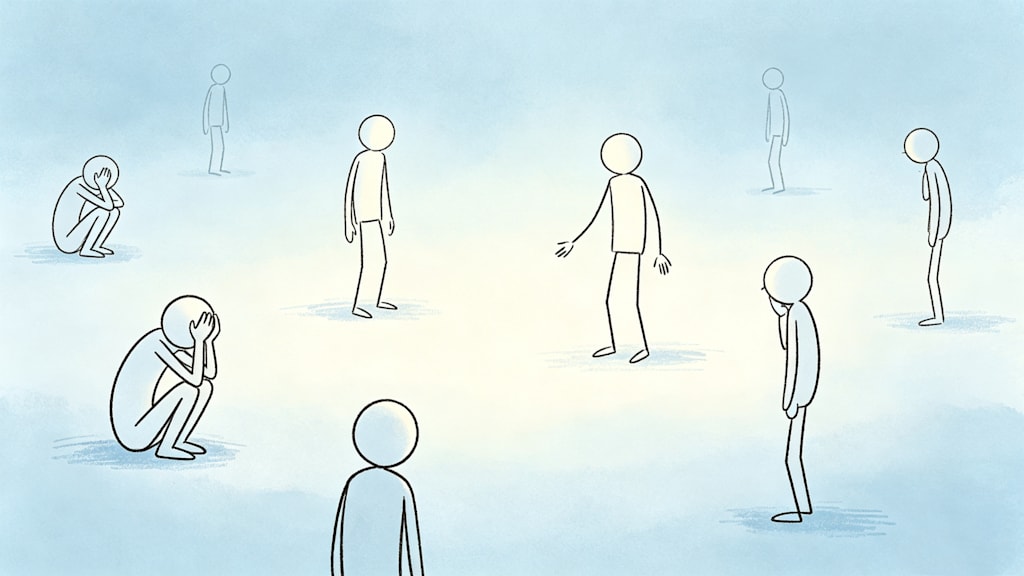
In today’s fast-paced world, many people often feel emotionally exhausted without truly understanding why. They may blame stress, work pressure, financial concerns, or relationship problems. While these factors can certainly contribute, psychology suggests that the deeper issue is often not the events themselves, but the way we interpret and respond to them. Our minds can become the biggest source of our emotional burden.
One important psychological concept is called automatic thinking. These are the quick thoughts that appear in our minds almost instantly, without careful reflection. For example, if someone does not reply to your message, you might immediately think, “They are ignoring me,” or “I must have said something wrong.” In reality, the person may simply be busy, tired, or distracted. However, when negative automatic thoughts happen repeatedly, they can create long-term anxiety, insecurity, and unnecessary stress.
Many emotional struggles are not caused directly by situations, but by the meaning we attach to them. Two people can experience the same setback and react in completely different ways. One person may see failure as proof that they are not capable, while another may see it as a lesson and an opportunity to improve. The first reaction often leads to self-doubt and hopelessness, while the second builds confidence and resilience. This shows how powerful mindset can be in shaping emotional health.
This pattern is especially common in close relationships. For example, when one partner becomes quiet or distant, the other may immediately think, “They do not care about me anymore.” This assumption can quickly lead to anger, sadness, or arguments. In many cases, the silence may simply come from stress, tiredness, or a need for personal space. When people react to assumptions instead of facts, misunderstandings grow and emotional distance increases.
So how can we break this cycle? A useful method in psychology is called cognitive restructuring. This means learning to challenge your first emotional reaction and question whether your thoughts are fully accurate. Instead of accepting every negative thought as truth, ask yourself: “Is there another explanation?” or “Do I have real evidence for this belief?” This small pause can reduce emotional intensity and help you respond more calmly.
Another important skill is building healthy boundaries. Many people feel drained because they depend too much on other people’s approval. They allow criticism, rejection, or lack of attention to define their self-worth. But your value should not be determined entirely by how others treat you. Learning to separate your identity from outside opinions creates stronger inner stability and peace.
Emotional stability does not mean never feeling sad, angry, or anxious. It means understanding where emotions come from and learning how to manage them wisely. Everyone experiences difficult feelings, but emotionally healthy people do not let those feelings control every decision. They pause, reflect, and choose healthier responses.
Personal growth is rarely instant. It happens through repeated awareness, patience, and small adjustments over time. The more you understand your own thinking patterns, the more freedom you gain. Learning to live peacefully with your emotions is far more realistic and powerful than trying to eliminate them completely. True strength comes not from avoiding emotions, but from understanding them.
About the Creator
Soul Scribe
Observing life, capturing feelings, and putting quiet emotions into words. Simple, sincere, and soulful stories for calm minds.
Enjoyed the story? Support the Creator.
Subscribe for free to receive all their stories in your feed.
Comments
There are no comments for this story
Be the first to respond and start the conversation.