
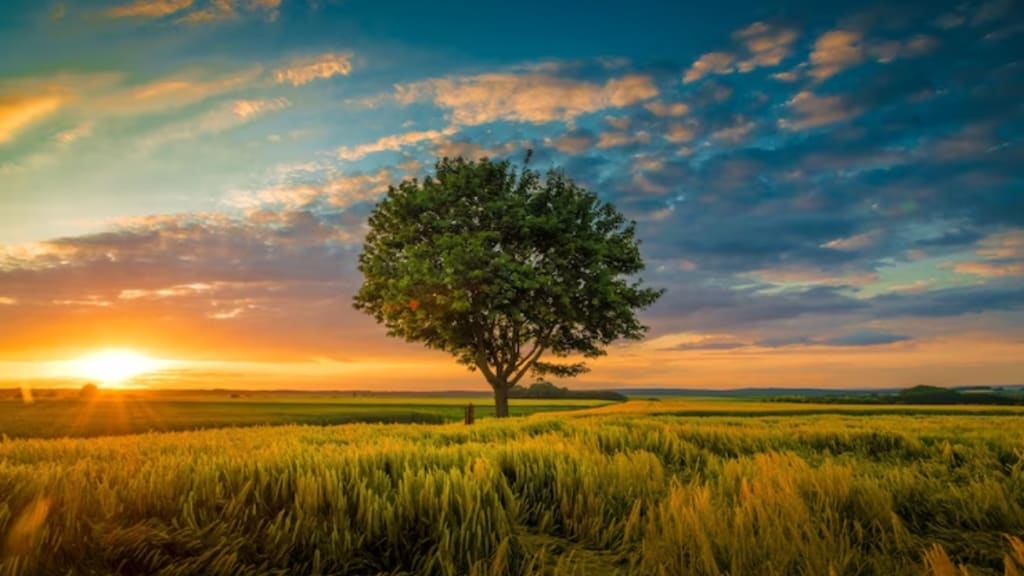
Nature gifts many benefits to humans. From the air we breathe, the water we drink, and the food we eat, nature enhances our wellbeing and freely provides the essentials for our survival.
For decades, scientists and environmentalists have discussed the concept of ECOSYSTEM SERVICES. However, it wasn’t until the early 2000s that it became more common place. From 2001-2005, the Millennium Ecosystem Assessment (MA) embarked on a study to determine the impact on humans should ecosystems continue to change. Drawing on the knowledge of over 1,000 experts from across the globe, they evaluated “the condition and trends in the world’s ecosystems and the services they provide,” according to the MA website. They also identified evidence-based science to determine the best methods for conservation, enhancement, and sustainable use of ecosystems.
While the concept of ecosystem services is commonly understood within the science and environmentalist community, one study found that it’s not necessarily common knowledge amongst the public. That’s why we’ve put together some basic explanations and examples below.
Woman picking strawberries
Photo by Leung Cho Pan via Canva
Ecosystem services are often broken down into four broad categories.
Supporting Services
Supporting services are the foundation of ecosystems. These natural processes keep them functioning and healthy. Supporting services include photosynthesis, the creation of soil, nutrient cycling, and pollination, among many others. They basically make it possible for all life to exist and thrive.
Provisioning Services
Provisioning services are basically anything that can be extracted from nature. The first thing people tend to think of is food. Fruits, vegetables, nuts, livestock, fish, and seafood are all direct products of ecosystems, according to the National Wildlife Federation (NWF). Beyond food, provisioning services include drinking water, plants that can be transformed into clothing and medicine, raw materials like timber and minerals, and other materials that can be converted into energy.
Regulating Services
Regulating services moderate natural occurrences in ecosystems. They also ensure ecosystems continue to function in sustainable and resilient ways. For example, plants clean and filter water and also help regulate air quality. Bees pollinate flowers, bacteria help decompose waste, while ladybugs help control pest populations (think aphids). Tree roots even prevent erosion as they hold soil in place.
Painting of bee on flower
"Bee Balm 2", by Leanne Cadden, watercolour
Cultural Services
Cultural services are incredibly important for human well-being as they enhance our physical, mental, and emotional health. Think of how nice it feels to hike through a forest, build driftwood huts on the beach, or camp along a lake. And aside from recreational activities, nature also plays muse to some of our greatest artists. Where would the Group of Seven be without Canada’s rugged wilderness? It also influences culture, symbology, and folklore. Think of the importance of maple trees in Canadian history. And for some, nature can facilitate spiritual experiences.
These are just a few examples of the different benefits that nature provides for humans, so be sure to check out the Food and Agriculture Organization of the United Nations to learn more.
I received this question from one of my students after the tragic Turkey-Syria earthquake, when dozens of thousands of people got killed, and hundreds of thousands were left homeless in the freezing cold with no food.
The student asked me what did people do to deserve such a blow from nature, and what does nature want from us all?
In short, we need to stop the way we live in a rat race, to calm ourselves down, and to do as nature wants. And, indeed, what does nature require of us all?
Nature needs us to be good to each other. In other words, nature wants us to be positively connected with each other with a good and kind desire.
The law of nature is that its parts need to interconnect in a harmonious and balanced manner. We humans are the only part in nature that interferes with its balance.
How? It is our egoistic nature, which makes us want to exploit others and nature for personal gain.
We thus need to correct the way we use our desires so that we do not try to harm others and nature for personal gain, but on the contrary, that we rise above our egoistic use of people and nature and positively connect.
We need to bring ourselves to a state of positive reciprocity and mutual connection. We would then see how our desire to bring peace among each other would bring us positive feedback from nature. We would then experience harmonious and peaceful lives, and nature would no longer send us various disasters and pandemics.
About the Creator
Enjoyed the story? Support the Creator.
Subscribe for free to receive all their stories in your feed.
Comments
There are no comments for this story
Be the first to respond and start the conversation.