
Why is Emotional Intelligence Important in Leadership
Emotional Intelligence (EI) plays a vital role in effective leadership. In today's fast-paced and interconnected world, understanding emotions—both your own and those of others—can make or break a leader’s success.
This Emotional Intelligence in Leadership Training Program is designed to help leaders build stronger relationships, make better decisions, and inspire their teams toward shared goals. In this blog, we'll explore the importance of emotional intelligence in leadership, break down its key components, and discuss how leaders can enhance their skills through targeted training.
What is Emotional Intelligence?
Emotional Intelligence (EI) refers to the ability to recognize, understand, manage, and influence emotions in oneself and others. Leaders with high EI are more empathetic, self-aware, and effective at handling interpersonal relationships.
To start building your self-awareness, check out Start Unlocking Your Emotional Intelligence – Build Self-Awareness.
Why is Emotional Intelligence Important in Leadership?
Leaders often face challenging situations where emotions run high—whether it’s managing conflicts, guiding a team through change, or delivering tough feedback. Here’s why emotional intelligence is critical:
1. Better Decision-Making: Understanding emotions helps leaders avoid impulsive decisions.
2. Enhanced Communication: Leaders with strong EI communicate clearly and effectively.
3. Stronger Team Relationships: Emotional intelligence fosters trust and collaboration.
4. Improved Employee Satisfaction: Empathy and understanding create a positive work environment.
By learning to understand the emotions of others, you can take the next step in your journey with Unlock Your Emotional Intelligence: Understanding Others.
Key Components of Emotional Intelligence
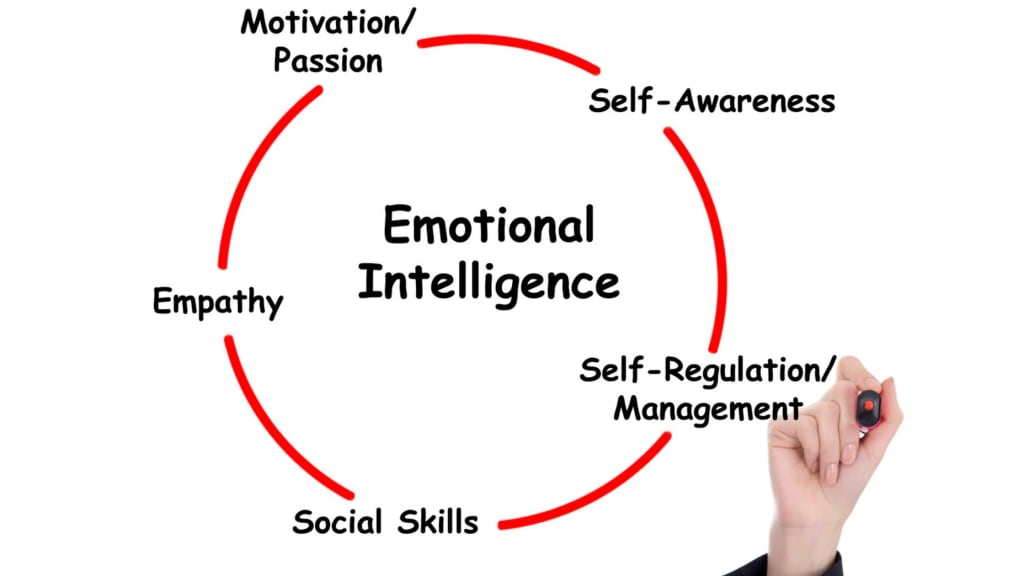
The Emotional Intelligence in Leadership Training Program focuses on five key areas:
1. Self-Awareness
- Recognizing your emotions and their impact on others.
- Understand your strengths and weaknesses.
- Learn more at Start Unlocking Your Emotional Intelligence – Build Self-Awareness.
2. Self-Regulation
- Managing emotions to stay calm under pressure.
- Avoiding impulsive reactions.
3. Motivation
- Staying focused on goals despite challenges.
- Inspiring yourself and others to achieve more.
4. Empathy
- Understanding the emotions of others.
- Strengthening relationships through genuine concern.
5. Social Skills
- Building rapport and managing conflicts effectively.
- Enhancing collaboration within teams.
How to Unlock Your Emotional Intelligence
Unlocking emotional intelligence requires practice and reflection. Here are some tips:
1. Practice Mindfulness: Spend time understanding your feelings.
2. Seek Feedback: Ask for input from colleagues and mentors.
3. Develop Empathy: Actively listen to others without judgment.
4. Take Leadership Training: Enroll in programs like Unlock Your Emotional Intelligence: Understanding Others.
5. Reflect Regularly: Review your interactions to learn and improve.
Benefits of Emotional Intelligence in Leadership Training
Investing in Emotional Intelligence training offers many benefits:
1. Increased Team Productivity: Leaders inspire and motivate teams to perform at their best.
2. Better Conflict Resolution: Handle disagreements calmly and effectively.
3. Improved Workplace Culture: Build a supportive and inclusive environment.
4. Enhanced Personal Growth: Gain deeper insights into your own behavior.
5. Stronger Leadership Presence: Lead with confidence and authenticity.
FAQs on Emotional Intelligence in Leadership
Q1. Who should join an Emotional Intelligence in Leadership Training Program?
A: Anyone in a leadership role, aspiring leaders, or those managing teams can benefit from Emotional Intelligence training.
Q2. How does emotional intelligence affect decision-making?
A: Leaders with high EI consider both logical and emotional aspects, leading to balanced and thoughtful decisions.
Q3. What are the main challenges of improving emotional intelligence?
A: Common challenges include recognizing personal blind spots, managing strong emotions, and practicing empathy consistently.
Q4. Can emotional intelligence be learned?
A: Absolutely! With the right tools and guidance, anyone can develop their emotional intelligence skills.
Q5. Where can I start my Emotional Intelligence journey?
A: Begin with resources like Start Unlocking Your Emotional Intelligence – Build Self-Awareness and Unlock Your Emotional Intelligence: Understanding Others
Conclusion
The Emotional Intelligence in Leadership Training Program is essential for modern leaders who want to build meaningful connections, foster teamwork, and drive results. By enhancing your self-awareness, improving your ability to understand others, and practicing empathy, you can unlock your full potential as a leader.
Take the first step today—explore resources like Start Unlocking Your Emotional Intelligence – Build Self-Awareness and Unlock Your Emotional Intelligence: Understanding Others to begin your journey toward becoming an emotionally intelligent leader.
About the Creator
Enjoyed the story? Support the Creator.
Subscribe for free to receive all their stories in your feed.
Comments
There are no comments for this story
Be the first to respond and start the conversation.