
Why IoT is Becoming Essential in Modern Healthcare?
The Strength of IoT in the Modern Era
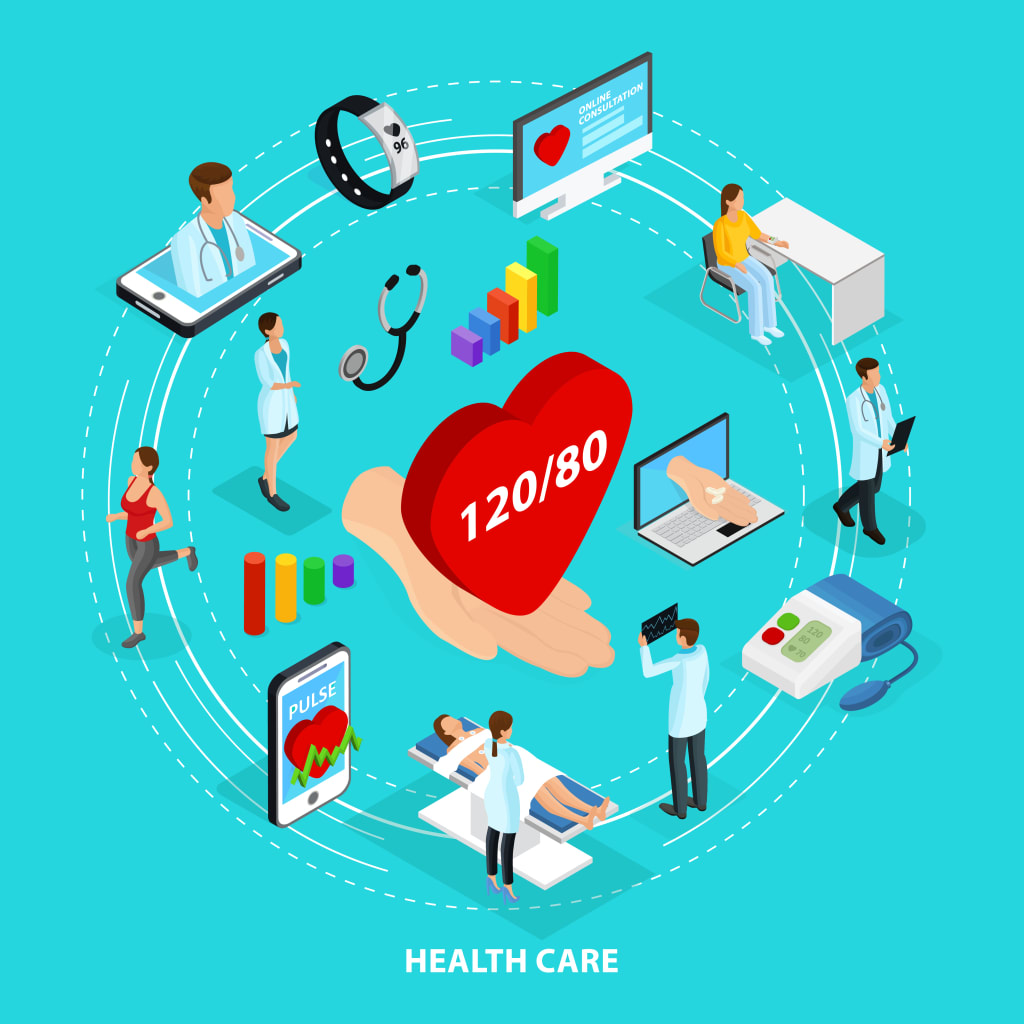
The Internet of Things (IoT) is one of the most talked-about topics in the healthcare industry today, and it’s easy to see why. Its growing popularity is well-deserved, as it addresses persistent challenges and introduces smarter ways to manage patient care. What once seemed like a futuristic idea has become vital to modern healthcare systems. With the market projected to reach $312.7 billion by 2030, IoT’s relevance in improving care delivery and optimizing operations is undeniable.
What is IoT in Healthcare?
IoT in healthcare connects devices and systems to continuously collect and share data. Wearable health monitors, for example, track vital signs like heart rate and glucose levels, while IoT-enabled ventilators provide real-time respiratory updates. These healthcare technologies go beyond individual devices to bring together a network of stakeholders, including patients, healthcare providers, and administrators that create a seamless healthcare ecosystem known as the Internet of Medical Things (IoMT).
Key Applications of IoT in Healthcare
IoT addresses numerous challenges in healthcare. Let’s dive into some of the details of its impact.
Remote Patient Monitoring
One of the most impactful uses of IoT in healthcare is remote patient monitoring. Devices such as wearable sensors provide continuous updates on critical health metrics. Patients can manage conditions like diabetes or hypertension from their homes, reducing the need for frequent hospital visits while ensuring timely medical interventions when necessary.
Smart Medical Devices
Medical devices powered by IoT bring a number of advancements to healthcare delivery. From ventilators that adjust settings based on a patient’s real-time needs to insulin pens that monitor dosage accuracy, these innovations enhance care quality and ensure critical abnormalities don’t go unnoticed.
Telemedicine
IoT integration with telemedicine makes healthcare more accessible, especially in underserved areas. Patients can consult specialists remotely, monitor chronic conditions, and receive follow-ups without the need for travel. This blend of convenience and efficiency makes IoT a critical tool for improving healthcare outreach.
Check out our blog on – Use cases of patient tracking software for enhanced patient care.
Asset and Inventory Management
In hospital environments, IoT enhances resource management by tracking medical equipment and supplies constantly. This keeps critical tools readily available, prevents waste, and reduces unnecessary costs, improving resource allocation for patient care.
Clinical Workflow Optimization
IoT technologies improve hospital operations by automating routine tasks. Smart beds, for example, monitor patient movement, adjust for comfort, and alert staff in case of emergencies like falls. These innovations free up healthcare professionals to focus on patient care.
IoT-Powered Devices in Healthcare
The impact of IoT in healthcare is perhaps best illustrated through its medical devices. Smart thermometers, for instance, continuously monitor a patient’s temperature to detect signs of illness early. Connected inhalers take it a step further through proper usage for asthma and COPD patients, offering timely reminders and usage tracking.
Smart pills are another marvel; these IoT ingestible sensors travel through the digestive system, gathering data to identify gut disorders or even early signs of cancer. Telehealth kiosks bring healthcare closer to underserved populations, offering remote consultations and diagnostics. Meanwhile, smart implants, such as pacemakers, provide constant updates on patient conditions, supporting timely interventions and better outcomes.
The Future of IoT in Healthcare
The role of IoT in healthcare is set to expand, bringing innovative solutions to longstanding challenges. Predictive analytics will use data from IoT devices to identify potential health issues early, reducing hospital visits and improving patient outcomes.
AI combined with IoT will further improve healthcare by analyzing large datasets to create personalized treatment plans, automate repetitive tasks, and enhance diagnostic accuracy.
Smart hospitals, equipped with automated beds, medication dispensers, and continuous asset tracking, will improve efficiency and patient care. As these technologies advance, robust data security and compliance measures will remain essential to protect sensitive patient information in this connected ecosystem.
Conclusion
IoT in healthcare changes how care is delivered and managed, enhancing patient monitoring and improving hospital operations. These advancements make care more efficient, accessible, and focused on patients' needs.
For effective implementation, partnering with experienced IoT developers is key. Nalashaa Healthcare Solutions provides customized healthcare IoT solutions, combining advanced technology with industry expertise. Contact us at [email protected] to explore how we can enhance your healthcare services.
About the Creator
Enjoyed the story? Support the Creator.
Subscribe for free to receive all their stories in your feed.
Comments
There are no comments for this story
Be the first to respond and start the conversation.