
Why Everyone Is Turning to Ancient Wisdom
in the Digital Age
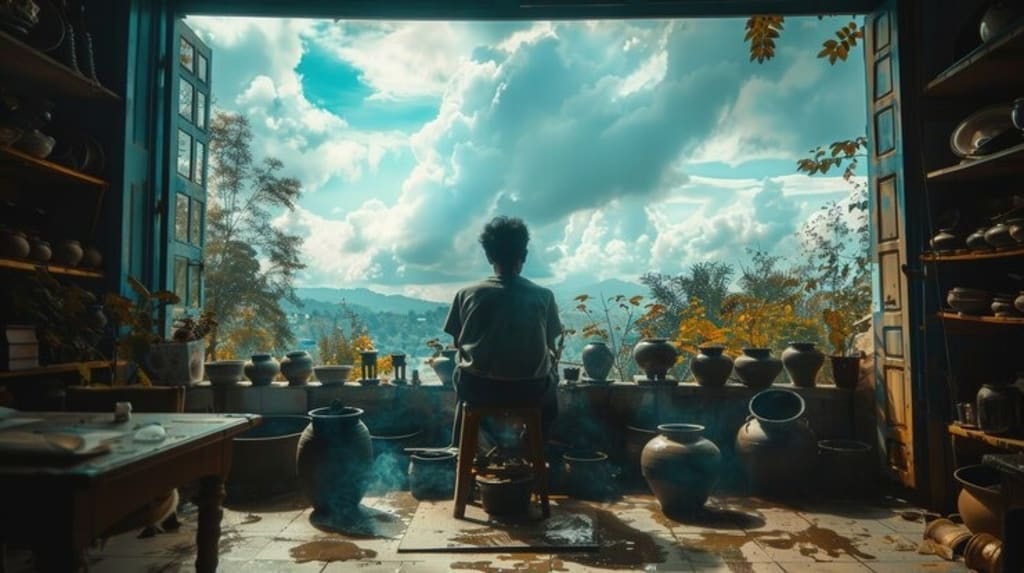
In a world ruled by algorithms, instant gratification, and information overload, there’s a quiet yet powerful revolution happening—a return to ancient wisdom.
While smartphones, AI tools, and digital assistants have made life faster, they haven’t necessarily made it more fulfilling. Stress, burnout, and a sense of disconnection are at an all-time high. And ironically, the solutions people are now turning to aren’t new—they’re thousands of years old.
Let’s explore why ancient practices like Ayurveda, yoga, meditation, and traditional herbal healing are seeing a massive resurgence in today’s hyperconnected world.
🌿 1. The Digital Age Is Making Us Sick — Literally
We are always “on.”
From the moment we wake up to the moment we try to sleep (and even in between), screens demand our attention. This relentless connectivity affects our nervous system, disrupts sleep cycles, and reduces our mental resilience.
Modern life may be efficient, but it’s not necessarily healthy.
That’s why practices like:
Daily meditation (to calm the mind),
Adaptogenic herbs (to support stress),
Mindful movement (like yoga),
are now becoming more than trends—they’re tools for survival in the digital jungle.
🧘♂️ 2. Ancient Practices Offer a Holistic Approach
Modern medicine often treats symptoms. Ancient systems like Ayurveda and Traditional Chinese Medicine (TCM) focus on root causes.
Example:
Instead of just prescribing a pill for anxiety, Ayurveda might recommend:
Balancing your doshas
Adjusting your diet
Incorporating calming herbs like ashwagandha or brahmi
Aligning your routine with natural circadian rhythms
This whole-body wisdom connects mind, body, and spirit—a rare harmony in today’s fragmented healthcare systems.
🌍 3. Wisdom That Has Stood the Test of Time
Trends come and go. Ancient wisdom doesn’t.
From the Bhagavad Gita to Stoic philosophy, from Acupressure points to plant medicine, these teachings are time-tested. They weren’t developed in a lab; they evolved over centuries of observation, refinement, and real-life results.
In a time when we question everything—from the food we eat to the information we consume—people are turning to what has endured.
🌱 4. Nature Is the New Luxury
In the concrete chaos of cities and digital life, nature is now a rare and valuable experience.
People are:
Taking forest baths
Growing their own herbs
Learning about seasonal eating
Choosing plant-based medicine over synthetic alternatives
Ancient wisdom inherently respected nature. It saw humans as a part of it—not above it. And now, as climate anxiety grows, many find comfort in this old yet relevant worldview.
🔄 5. Balance Over Burnout
Ancient teachings emphasize rhythm, not rush.
Wake with the sun
Eat with mindfulness
Rest without guilt
Work with purpose
Compare that to the current hustle culture—and it’s no wonder people are tired. They’re craving balance. They’re seeking meaning over metrics. That’s exactly what ancient systems offer.
🔮 6. Integrating the Old with the New
This isn’t about rejecting modern science or technology.
It’s about integration.
Apps now guide meditation. Wearables track sleep for better circadian alignment. Digital detoxes are planned using—you guessed it—technology.
The digital age doesn’t need to be at odds with ancient wisdom. In fact, when used consciously, technology can help amplify and spread timeless knowledge to the masses.
💡 Conclusion: A Return to Roots
We’re not going backward—we’re evolving forward with intention.
In a fast-moving world, ancient wisdom reminds us to slow down. To breathe. To live in sync with something bigger than Wi-Fi and deadlines. Click here for Mens Power.
Because in the end, wellness isn't just about living longer—it's about living deeper.
About the Creator
Sahil Chaudhari
KVR- https://www.shrichyawanayurved.com/products/kamini-vidrawan-ras
Enjoyed the story? Support the Creator.
Subscribe for free to receive all their stories in your feed.
Comments
There are no comments for this story
Be the first to respond and start the conversation.