
Why Every Classical Music Lover Needs to Appreciate the Mridangam
Inside the Timeless Magic of the Mridangam

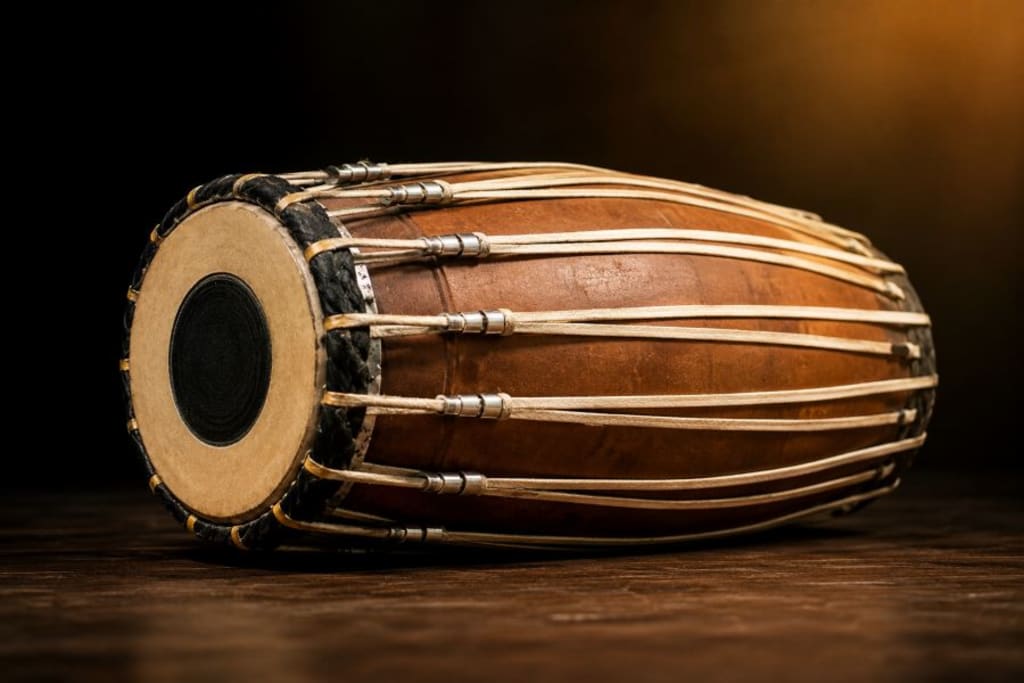
There is a moment in every great classical concert when the melody suddenly feels alive in a different way. The vocalist may still be singing. The violin may still be weaving emotion through every note. Yet something deeper begins to pull the audience inward. A pulse. A conversation beneath the melody. A heartbeat that quietly controls the emotional temperature of the entire performance.
That force is often the Mridangam.
For many listeners, rhythm stays in the background. Melody receives the applause. The singer gets remembered. But ask any seasoned Carnatic musician what truly holds a performance together, and the answer almost always circles back to the percussionist sitting cross-legged beside the main artist.
If you genuinely love classical music, appreciating the mridangam instrument changes the entire way you listen. Suddenly, concerts become richer. Improvisations make more sense. Emotional shifts become clearer. You stop hearing rhythm as “support” and begin hearing it as storytelling.
And once that happens, there is no going back.
The Mridangam Is Not Just a Drum—It Is the Nervous System of Carnatic Music
A common mistake beginners make is assuming the Mridangam simply keeps time.
That idea is far too small.
The Mridangam responds to every phrase sung by the vocalist. It predicts transitions. It intensifies tension. It softens emotional passages. It challenges improvisation with rhythmic replies that can feel almost mathematical in their brilliance.
In many ways, the instrument behaves like a second brain inside the performance.
Unlike Western drumming traditions that often emphasize fixed groove patterns, Carnatic percussion works conversationally. The Mridangam artist listens constantly. Every stroke carries intention.
- A skilled player knows:
- When to remain subtle
- When to push energy upward
- When silence creates more impact than sound
- How to mirror emotion without overpowering melody
That balance requires staggering control.
The audience may not consciously notice every rhythmic detail, yet they absolutely feel the effect. The emotional momentum of the concert depends heavily on it.
Without the Mridangam, classical South Indian music would lose much of its dynamism, unpredictability, and emotional architecture.
Rhythm Is Older Than Melody in Human Experience
Before human beings created scales, ragas, or complex compositions, they understood rhythm.
The heartbeat. Footsteps. Rainfall. Breathing. Chanting.
Rhythm lives inside the body long before formal musical education begins.
That is one reason the Mridangam affects listeners so deeply. Its sound feels physical. You do not merely hear it. You experience it internally.
The low bass tones resonate through the chest while the sharper strokes stimulate mental alertness. This combination creates an unusual listening state—grounded yet intensely attentive.
Many classical music lovers spend years analyzing ragas without fully studying rhythm. Ironically, rhythm is often the element that creates emotional immersion.
Think about a concert where the percussion suddenly stops. Even if the melody continues beautifully, something essential disappears. The music loses movement.
The Mridangam restores that movement constantly.
Why the Greatest Vocalists Respect Mridangam Artists So Deeply
There is an unspoken trust between a Carnatic vocalist and a Mridangam player.
A vocalist may explore complicated improvisations freely because the percussionist understands exactly where the rhythmic cycle is moving. This relationship resembles two experienced dancers moving together without verbal communication.
The audience often sees only the surface: beautiful singing accompanied by percussion.
What is actually happening underneath is astonishingly sophisticated.
The Mridangam artist is tracking the following:
- Tempo fluctuations
- Rhythmic subdivisions
- Improvised phrases
- Emotional pacing
- Structural timing
- Mathematical resolutions
All in real time.
And they must do this while remaining musically expressive.
That combination of logic and emotion is rare in any art form.
Some legendary percussionists became so respected that audiences attended concerts specifically to hear their rhythmic exchanges. Their solos were not interruptions to the concert experience — they were among the main attractions.
The Sound of the Mridangam Has a Human Quality
One reason the instrument stands apart from many percussion traditions is its tonal complexity.
The Mridangam produces sounds that feel vocal.
Certain strokes resemble syllables. Others imitate conversation patterns. Some tones feel warm and rounded, while others cut sharply through the performance like punctuation marks in a sentence.
This is partly why Carnatic percussion uses spoken rhythmic syllables called solkattu.
Instead of thinking only in beats, artists think in sound language:
- Tha
- Dhi
- Thom
- Nam
These vocalized rhythmic patterns transform percussion into something intellectually musical rather than mechanically repetitive.
A listener who begins understanding these rhythmic phrases starts hearing concerts differently. Patterns emerge. Tension becomes visible. Resolution feels deeply satisfying.
It becomes similar to understanding poetry in its original language rather than reading a translation.
Appreciating the Mridangam Makes You a Better Listener
Most people listen passively.
Classical music rewards active listening.
Once you begin paying attention to the Mridangam, several things happen naturally:
You Notice Structure
Carnatic music is highly organized beneath its improvisational surface. The Mridangam often reveals that structure more clearly than the melody itself.
You Understand Tension and Release.
Percussion controls anticipation brilliantly. Repeated rhythmic phrases create expectation, and clever resolutions deliver emotional payoff.
You Become More Patient.
Fast passages impress beginners. Mature listeners appreciate restraint, silence, timing, and nuance.
The Mridangam teaches all of these qualities.
You Hear Dialogue Instead of Performance
Concerts stop feeling one-directional. They begin feeling collaborative. Every musician reacts to others continuously.
That awareness transforms the listening experience.
Why Mridangam Solos Leave Audiences Speechless
Many newcomers become impatient during the tani avartanam—the percussion solo section in Carnatic concerts.
Experienced listeners wait for it eagerly.
Why?
Because it reveals the raw genius of rhythm.
A great Mridangam solo combines the following:
- Mathematical precision
- Spontaneous creativity
- Physical endurance
- Emotional storytelling
- Technical mastery
The artist builds patterns gradually, creating suspense before resolving them perfectly into the rhythmic cycle. When executed brilliantly, the audience experiences the same satisfaction people feel during a powerful plot twist in cinema.
The excitement comes from anticipation and release.
Even listeners without technical knowledge often react instinctively because rhythm operates at a deeply human level.
The Instrument Carries Centuries of Tradition
The Mridangam is not a modern invention chasing trends. It has survived generations because it continues to matter.
Its roots extend deep into South Indian musical and spiritual traditions. Temples, devotional music, dance performances, and classical concerts all helped shape its identity.
That historical continuity gives the instrument unusual depth.
When a musician performs today, they are participating in a lineage built by countless teachers, craftsmen, composers, and performers over centuries.
Every traditional stroke carries inherited knowledge.
That connection to living tradition is something modern digital music often struggles to replicate.
Classical music lovers who appreciate heritage naturally gravitate toward instruments like the Mridangam because they represent cultural memory in physical form.
The Craftsmanship Behind a Mridangam Is an Art by Itself
Most audiences never think about how difficult it is to build a great Mridangam.
The process demands extraordinary craftsmanship.
The shell is traditionally carved from jackwood. The drumheads require careful layering and tuning. Artisans spend years learning how to create tonal balance between bass resonance and sharp articulation.
Small differences in construction dramatically affect sound quality.
A high-quality Mridangam does not merely produce rhythm. It produces personality.
Some instruments sound deep and meditative. Others sound bright and aggressive. Experienced players often develop emotional attachment to specific instruments because they respond differently during performance.
This relationship between craftsman, musician, and instrument adds another layer of beauty for serious music lovers.
Rhythm and Mathematics Meet Beautifully Inside Carnatic Music
One fascinating reason intellectual listeners admire the Mridangam is its relationship with mathematics.
Carnatic rhythm systems involve astonishingly advanced calculations performed mentally during live performance.
Artists manipulate:
- Beat subdivisions
- Cyclical patterns
- Symmetry
- Fractional timing
- Cross-rhythms
- Complex endings
Yet despite all this structure, the music still feels emotional rather than robotic.
That balance is rare.
Many highly technical art forms become cold. The Mridangam avoids that trap because its purpose remains expressive.
The mathematics exists to enhance emotional impact, not replace it.
For listeners who enjoy both analytical thinking and artistic beauty, few instruments offer a richer experience.
The Mridangam Changes the Energy of Live Performance.
Listening to recordings is valuable.
Hearing a live Mridangam performance is something else entirely.
The physical vibrations matter.
The room reacts differently. The audience breathes differently. Fast rhythmic passages generate visible excitement across the hall. Subtle bass strokes create tension you can almost touch.
Live percussion possesses a physical authority digital compression often weakens.
That is why many first-time concert attendees suddenly become fascinated by the instrument after hearing it live.
They realize rhythm is not background decoration.
It is energy itself.
Even Non-Musicians Can Learn to Appreciate It Deeply
One beautiful aspect of the Mridangam is accessibility.
You do not need formal training to enjoy its brilliance.
About the Creator
sudeshna rarhi
Shopping at the ISKCON Mayapur Store is not just about purchasing goods, but also about participating in a tradition of devotion, supporting local artisans, and promoting the spread of Krishna consciousness worldwide.
Enjoyed the story? Support the Creator.
Subscribe for free to receive all their stories in your feed.
Comments
There are no comments for this story
Be the first to respond and start the conversation.