
Why Endpoint Protection is Important for Small and Medium Enterprises (SMEs)
Here's the solution to the topic mentioned above.
Introduction
In today’s digital era, businesses rely heavily on technology for daily operations. With the increasing number of cyber threats, securing business data and IT infrastructure has become a top priority. Small and Medium Enterprises (SMEs) are particularly vulnerable to cyberattacks because they often lack the robust security measures that larger enterprises implement. Endpoint protection is a crucial security measure that helps SMEs defend against cyber threats, ensuring business continuity and data security.
Understanding Endpoint Protection
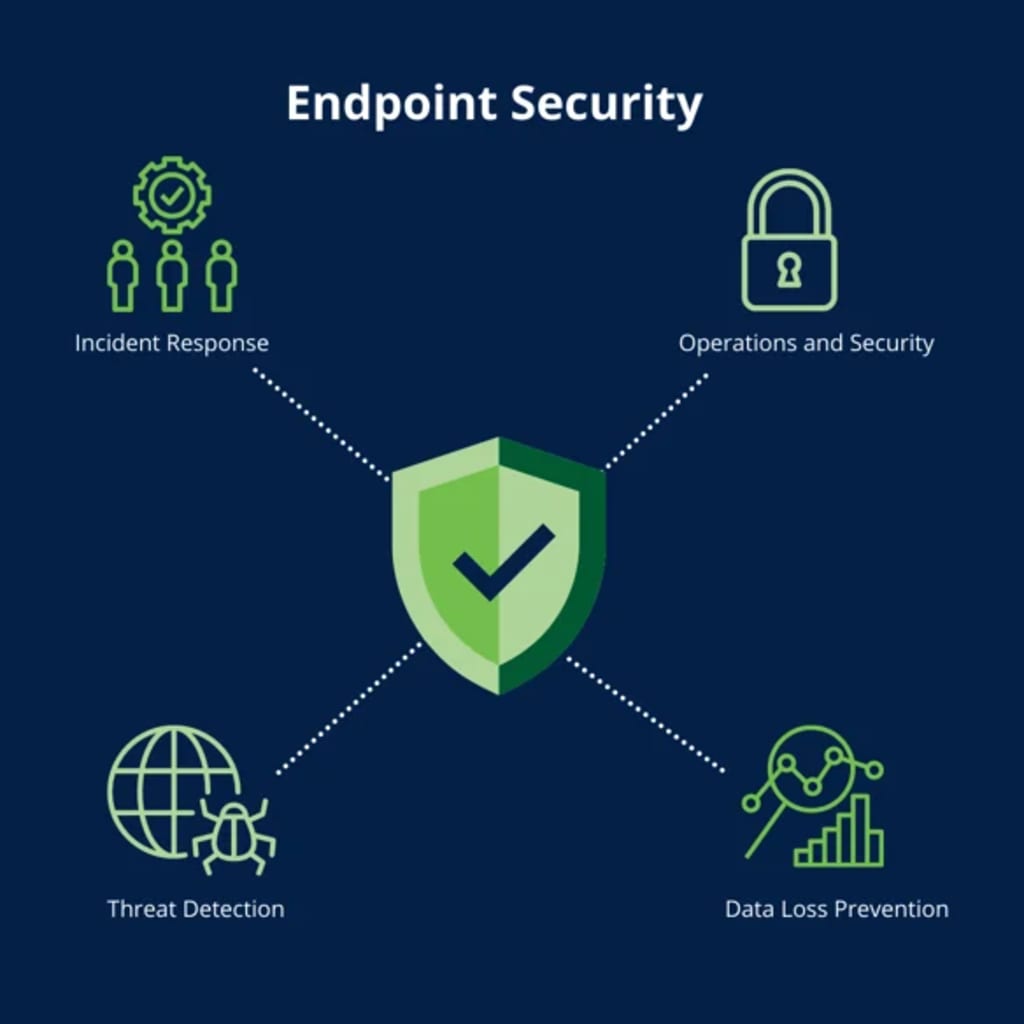
Endpoint protection refers to securing devices such as desktops, laptops, tablets, smartphones, and servers that connect to a business network. These devices, known as endpoints, are often the primary targets for cybercriminals looking to exploit security vulnerabilities. Endpoint protection solutions include antivirus software, endpoint detection and response (EDR), encryption, and firewall protection, among other security measures.
The Growing Threat Landscape for SMEs
Cyberattacks are becoming increasingly sophisticated, with SMEs being prime targets due to their limited cybersecurity resources. According to various cybersecurity reports, SMEs are more susceptible to ransomware attacks, phishing scams, and malware infections. Cybercriminals often perceive SMEs as easy targets, assuming they have weaker defenses compared to large enterprises.
Common threats faced by SMEs include:
Ransomware: Malicious software that encrypts business data, demanding a ransom for its release.
Phishing Attacks: Deceptive emails or messages that trick employees into divulging sensitive information.
Malware and Viruses: Malicious programs designed to damage or gain unauthorized access to systems.
Insider Threats: Employees or third-party vendors who unintentionally or maliciously compromise security.
Zero-Day Attacks: Exploitation of unknown software vulnerabilities before they can be patched.
Why Endpoint Protection is Crucial for SMEs
1. Safeguarding Business Data
SMEs handle a vast amount of sensitive information, including customer details, financial records, and proprietary business data. Endpoint protection ensures that this data remains secure by preventing unauthorized access and protecting against malware infections that could lead to data breaches.
2. Preventing Financial Losses
A cyberattack can lead to significant financial losses due to downtime, legal consequences, and reputational damage. The cost of recovering from a data breach can be overwhelming for SMEs, often resulting in loss of customers and revenue. Implementing endpoint protection helps prevent these financial setbacks by proactively defending against cyber threats.
3. Enhancing Compliance with Regulations
Many industries have stringent data protection regulations, such as the General Data Protection Regulation (GDPR) and the Australian Privacy Act. SMEs must comply with these regulations to avoid penalties and maintain trust with their customers. Endpoint protection helps businesses adhere to compliance standards by implementing security controls that protect sensitive data.
4. Mitigating Insider Threats
Employees and third-party vendors with access to business systems can unintentionally or maliciously compromise security. Endpoint protection solutions provide access control, monitoring, and threat detection features that mitigate risks associated with insider threats. This ensures that only authorized personnel can access sensitive data and systems.
5. Protecting Remote and Hybrid Workforces
With the rise of remote and hybrid work models, employees access business networks from various locations using different devices. This increases the risk of cyber threats, as unsecured devices can become entry points for hackers. Endpoint protection solutions provide secure remote access, ensuring that employees can work safely from any location without exposing the business to security vulnerabilities.
6. Reducing Downtime and Maintaining Productivity
Cyberattacks can lead to system downtime, affecting business operations and productivity. Ransomware attacks, for example, can lock an entire system, preventing employees from performing their tasks. Endpoint protection solutions detect and neutralize threats before they can cause significant disruptions, ensuring business continuity.
7. Real-Time Threat Detection and Response
Modern endpoint protection solutions include Endpoint Detection and Response (EDR) capabilities that provide real-time monitoring, threat detection, and automated response mechanisms. This proactive approach helps SMEs identify and mitigate cyber threats before they escalate into major security incidents.
Key Features of an Effective Endpoint Protection Solution
When selecting an endpoint protection solution for SMEs, it is essential to consider the following key features:
Antivirus and Anti-Malware Protection: Detects and removes malicious software to prevent infections.
Firewall Protection: Blocks unauthorized access to the business network.
Endpoint Detection and Response (EDR): Provides advanced threat detection and response capabilities.
Encryption: Secures sensitive data by converting it into an unreadable format, preventing unauthorized access.
Patch Management: Ensures that software and systems are updated with the latest security patches to close vulnerabilities.
Cloud-Based Security: Provides centralized security management, allowing businesses to protect endpoints across multiple locations.
Multi-Factor Authentication (MFA): Adds an extra layer of security by requiring multiple authentication factors to access business systems.
Implementing Endpoint Protection in SMEs
To ensure comprehensive endpoint security, SMEs should follow these best practices:
1. Conduct a Security Assessment
Evaluate existing security measures and identify potential vulnerabilities in the IT infrastructure. This helps in selecting the right endpoint protection solution tailored to business needs.
2. Deploy a Robust Endpoint Security Solution
Invest in a reputable endpoint protection solution that offers real-time threat detection, automatic updates, and centralized security management.
3. Educate Employees on Cybersecurity Best Practices
Employees are often the first line of defense against cyber threats. Conduct regular training sessions on identifying phishing scams, using strong passwords, and following security protocols.
4. Enforce Access Control Policies
Restrict access to sensitive data based on user roles and responsibilities. Implementing the principle of least privilege (PoLP) ensures that employees only have access to the information necessary for their job functions.
5. Regularly Update Software and Systems
Ensure that all operating systems, applications, and security software are up to date with the latest patches to prevent exploitation of vulnerabilities.
6. Implement Data Backup and Recovery Plans
Regularly back up business data and store it in a secure location. A disaster recovery plan ensures quick restoration of data in case of cyber incidents.
Conclusion
Endpoint protection is no longer optional for SMEs—it is a necessity. Cyber threats continue to evolve, and businesses must implement robust security measures to protect their data, finances, and reputation. By investing in endpoint protection, SMEs can safeguard their IT infrastructure, ensure regulatory compliance, and maintain business continuity. Taking proactive steps to secure endpoints not only mitigates cyber risks but also enhances customer trust and overall business resilience. In today’s digital landscape, endpoint protection is a crucial component of a comprehensive cybersecurity strategy for SMEs.
About the Creator
Enjoyed the story? Support the Creator.
Subscribe for free to receive all their stories in your feed.
Comments
There are no comments for this story
Be the first to respond and start the conversation.