
Why Educational Nature Books Help Children Learn Better 📚🐝
Discover how fun insect facts, engaging illustrations, and nature-based learning can inspire curiosity, creativity, and early science exploration for young readers.
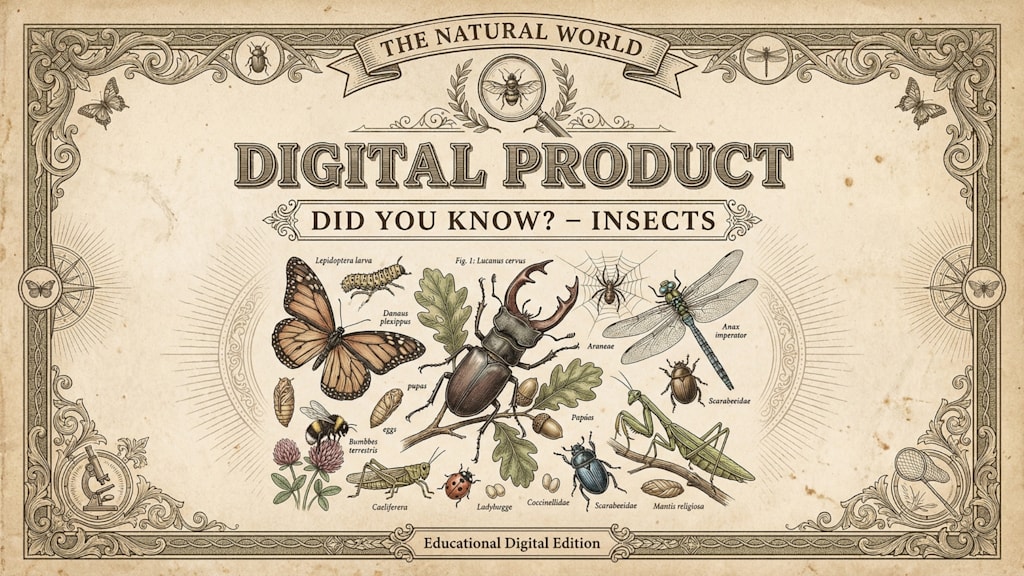
Children are naturally curious about the world around them. They ask questions about animals, plants, weather, and the tiny insects they see outdoors every day. This curiosity plays an important role in early childhood learning because it encourages observation, imagination, and discovery. Educational books that introduce children to nature in a simple and engaging way can help turn everyday curiosity into valuable learning experiences.
Nature-themed educational books continue to grow in popularity because they combine entertainment with knowledge. Instead of presenting information in a complicated or overwhelming way, these books help children explore science through colorful visuals, fun facts, and interactive reading experiences. One of the most fascinating topics for young readers is the world of insects.
Insects are everywhere in nature. Butterflies fly through gardens, bees move from flower to flower, ants work together in teams, and moths appear around lights at night. Although these creatures are very small, they are incredibly important to the environment. Learning about insects can help children understand ecosystems, pollination, teamwork in nature, and the balance of the natural world.
Educational insect books are especially useful because they encourage children to observe the outdoors more closely. After learning interesting facts about insects, many children become excited to explore gardens, parks, and natural spaces. They begin asking questions, noticing details, and developing a stronger connection with nature.
Books that combine educational content with attractive illustrations can also improve reading engagement. Young readers are more likely to stay interested when books include visually appealing artwork alongside simple explanations. Detailed illustrations help children better understand shapes, colors, anatomy, and behaviors while keeping the reading experience enjoyable.
Parents and teachers often search for educational materials that support learning without making children feel pressured. Interactive educational books provide a balanced approach by making learning feel fun instead of difficult. Science topics become easier to understand when they are connected to storytelling, visuals, and real-life examples from nature.
Another benefit of nature-based educational books is that they encourage independent thinking. Instead of memorizing information, children learn to ask questions and explore ideas on their own. Curiosity-driven learning helps children build confidence while improving observation and comprehension skills.
Educational reading can also support early STEM development. STEM learning focuses on science, technology, engineering, and mathematics, and many educators believe introducing science concepts at an early age can help children develop problem-solving skills and critical thinking abilities later in life. Nature books provide an accessible and enjoyable introduction to scientific exploration.
In addition to educational value, reading together as a family creates meaningful moments between parents and children. Shared reading experiences can help children develop communication skills while also encouraging healthy screen-free activities. Many families enjoy using educational books during quiet time, homeschool lessons, bedtime reading, or weekend learning activities.
The growing interest in educational children’s books reflects a wider movement toward creative learning experiences that inspire imagination and curiosity. Rather than relying only on digital entertainment, many parents are choosing books that help children connect with the real world around them.
Nature-focused books also encourage appreciation for the environment. When children understand how insects contribute to nature, they often become more interested in protecting animals, plants, and outdoor spaces. Learning about pollinators like bees and butterflies can help children understand the importance of biodiversity and environmental care in a simple and age-appropriate way.
Visual learning remains one of the most effective tools for young readers. Educational books with artistic illustrations can transform science topics into memorable adventures. Instead of viewing insects as ordinary creatures, children begin to see them as fascinating parts of a much larger natural world filled with discovery.
As educational resources continue to evolve, books that combine creativity, science, and exploration remain valuable tools for childhood learning. Encouraging curiosity at an early age can inspire lifelong interest in reading, nature, and discovery.
Educational insect books are more than simple reading materials. They provide opportunities for imagination, observation, and meaningful learning experiences that children can carry with them for years to come.
About the Creator
Meshal Sprout
Author of fun & educational kids books | Inspiring creativity & imagination
Enjoyed the story? Support the Creator.
Subscribe for free to receive all their stories in your feed.
Comments
There are no comments for this story
Be the first to respond and start the conversation.