
Why Do Positive Educator Relationships Matter in Early Learning?
Caring Educators Matter Most

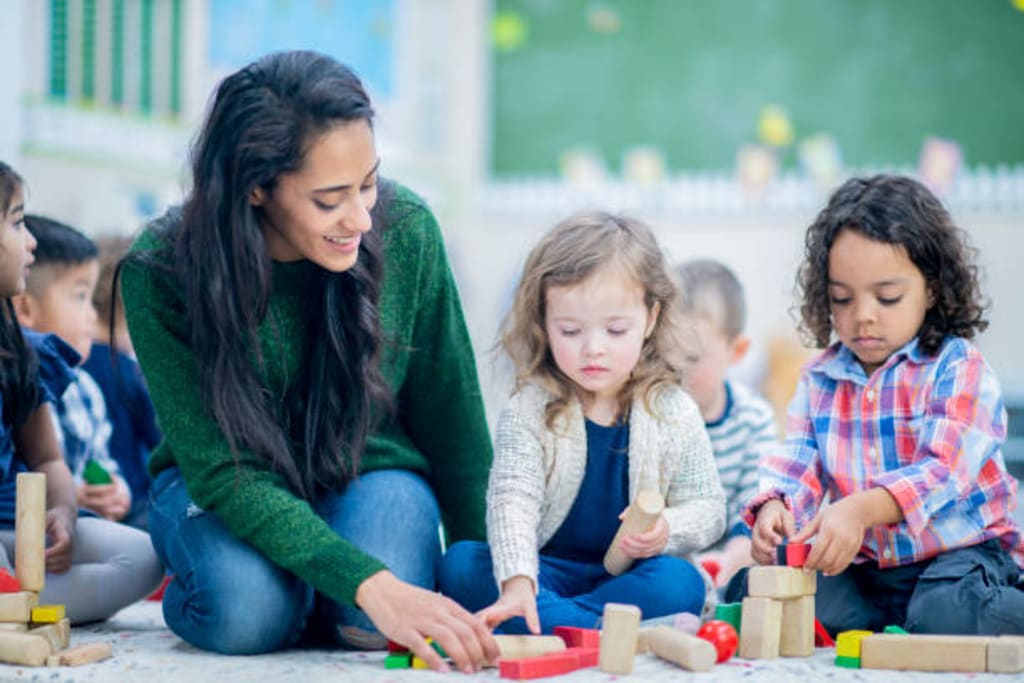
When families look for quality Childcare Services, they often focus on learning programs, safety, meals, and play areas. While these things are important, one factor has a lasting impact on a child’s early years — positive relationships with educators.
Young children learn best when they feel safe, understood, and cared for. A warm connection with a trusted educator helps children settle into routines, build confidence, and feel comfortable trying new things. In many ways, educators become an important part of a child’s daily world.
In quality early learning settings, relationships are at the heart of everything. From greeting children in the morning to helping them through emotional moments, educators play a major role in shaping how children feel and learn each day.
The Role of Relationships in Early Learning
Children are naturally curious, but they also need emotional security. When a child knows an educator is kind, patient, and dependable, they are more willing to participate, ask questions, and interact with others.
Think about a child starting care for the first time. New faces, unfamiliar sounds, and separation from parents can feel overwhelming. A calm educator who takes time to comfort the child can completely change that experience.
These positive moments build trust over time. Once trust grows, children often become more confident in group activities, social play, and learning experiences.
Why Children Need Trusted Educators
Early childhood is a time when children are learning much more than numbers and letters. They are learning how to manage feelings, communicate with others, and understand the world around them.
Trusted educators help children by:
• Listening carefully
• Responding calmly
• Encouraging independence
• Providing comfort during emotional moments
• Celebrating small achievements
Simple daily interactions matter more than many people realise. A smile at drop-off, praise after packing away toys, or gentle reassurance during difficult moments can help children feel valued and secure.
This emotional safety supports healthy learning and social growth.
Emotional Security Helps Children Learn
Children who feel emotionally safe are more likely to participate in activities and try new experiences. They are also more comfortable speaking up when they need help.
Imagine two different learning environments. In one, children feel ignored or rushed. In the other, educators patiently guide and encourage them. The second setting creates a much stronger learning experience because children feel relaxed and supported.
Positive educator relationships help children:
Build Confidence
When educators encourage children and recognise their efforts, children begin believing in themselves. This confidence carries into learning, friendships, and everyday tasks.
Develop Communication Skills
Children learn communication through conversation and interaction. Educators who ask questions, listen carefully, and engage in meaningful discussions help children improve language and social skills.
Feel Comfortable in Group Settings
Some children are naturally shy or cautious. Supportive educators gently help them join activities, interact with peers, and feel included.
Handle Emotions Better
Young children are still learning how to manage frustration, sadness, and excitement. Calm guidance from educators teaches children healthy emotional responses.
Positive Relationships Support Social Development
Early learning centres are often the first places where children regularly interact with larger groups outside the family home. This is where many social habits begin.
Educators guide children through everyday situations like:
• Sharing toys
• Taking turns
• Working together
• Solving small disagreements
• Showing kindness to others
Children often copy the behaviour they see around them. Educators who model patience, respect, and empathy help children develop those same qualities.
This is one reason strong relationships are such an important part of high-quality Childcare Services.
The Importance of Consistency
Children thrive on routine and familiarity. Seeing the same caring educators regularly helps children feel settled and secure.
Consistency matters because children learn to trust predictable responses. When educators remain calm, supportive, and reliable, children know what to expect.
For example, a child having a difficult morning may feel comforted simply by seeing a familiar educator waiting to greet them. That sense of stability can make transitions much easier for both children and parents.
Educator Relationships and Family Trust
Positive educator relationships do not only benefit children. They also help families feel more comfortable and connected.
Parents naturally want reassurance that their child is safe, happy, and understood. Educators who communicate openly and warmly help build that trust.
Small updates during pick-up, conversations about progress, or sharing funny moments from the day help families feel involved in their child’s experience.
Strong partnerships between educators and parents create a more supportive environment for children.
Real-Life Examples of Positive Educator Relationships
Helping a Child Settle Into Care
A toddler starting care may cry each morning during drop-off. An experienced educator might comfort the child with a favourite activity, gentle conversation, or extra reassurance.
Over time, the child begins feeling more comfortable and starts entering the room happily. This change often comes from patience and relationship-building rather than quick fixes.
Encouraging a Quiet Child to Participate
Some children take longer to join group activities. A caring educator may sit beside the child during play, slowly encouraging involvement without pressure.
Eventually, the child may begin interacting more confidently with others because they feel supported rather than forced.
Supporting Emotional Moments
Young children can struggle with frustration or disappointment. A calm educator who helps children name their feelings and work through challenges teaches emotional skills that can stay with them for years.
What Families Should Look For in Educators
When choosing early learning programs or Childcare Services, families should pay attention to how educators interact with children.
Some positive signs include:
• Warm greetings
• Calm communication
• Patience during difficult moments
• Genuine conversations with children
• Encouragement instead of criticism
• Educators getting down to the child’s level while speaking
These small interactions often reveal more about the quality of care than fancy equipment or decorations.
Long-Term Benefits of Positive Educator Relationships
Strong early relationships can influence children well beyond their preschool years.
Children who experience supportive care environments are often more likely to:
• Feel confident in social settings
• Build healthy friendships
• Participate in learning activities
• Express emotions appropriately
• Adapt better to school routines
While every child is different, positive early experiences can create strong foundations for future learning and wellbeing.
Creating a Warm Learning Environment
Positive educator relationships help create an environment where children feel welcomed and respected.
In these settings, children are more likely to:
• Join activities willingly
• Show curiosity
• Communicate openly
• Feel proud of their achievements
• Build independence gradually
A warm environment does not mean children never face challenges. Instead, it means they have trusted adults nearby to guide and support them through those moments.
Why Relationship-Based Learning Matters
Children remember how people make them feel. In early learning, those feelings shape confidence, participation, and emotional wellbeing.
Programs focused on relationship-based learning understand that children learn best through connection, trust, and positive interaction.
This approach supports not only academic readiness but also emotional and social development.
That is why families searching for reliable Childcare Services often place strong value on caring, experienced educators who genuinely connect with children.
Conclusion
Positive educator relationships play a major role in early childhood development. When children feel safe, respected, and supported, they are more likely to enjoy learning, build confidence, and form healthy social habits.
The everyday interactions between educators and children may seem simple, but they shape how children experience their early years. A caring educator can help children feel secure during difficult moments, confident during new experiences, and happy in their learning environment.
For families choosing early learning programs, strong educator relationships are not just a bonus — they are one of the most important parts of quality care.
FAQs
1. Why are educator relationships important in early childhood?
Positive educator relationships help children feel safe, supported, and comfortable in their environment. This emotional security supports learning, communication, and social growth.
2. How do educators help children settle into childcare?
Educators help children settle by creating routines, offering comfort, and building trust through kind and patient interactions each day.
3. What should parents look for in early learning educators?
Parents should look for educators who are warm, patient, attentive, and genuinely engaged with children during daily activities and conversations.
4. Can positive educator relationships improve behaviour?
Yes, children often respond better when they feel understood and respected. Supportive guidance helps children learn emotional and social skills over time.
5. How do strong educator relationships support learning?
Children are more likely to participate, ask questions, and try new activities when they feel comfortable and supported by trusted educators.
About the Creator
Enjoyed the story? Support the Creator.
Subscribe for free to receive all their stories in your feed.
Comments
There are no comments for this story
Be the first to respond and start the conversation.