
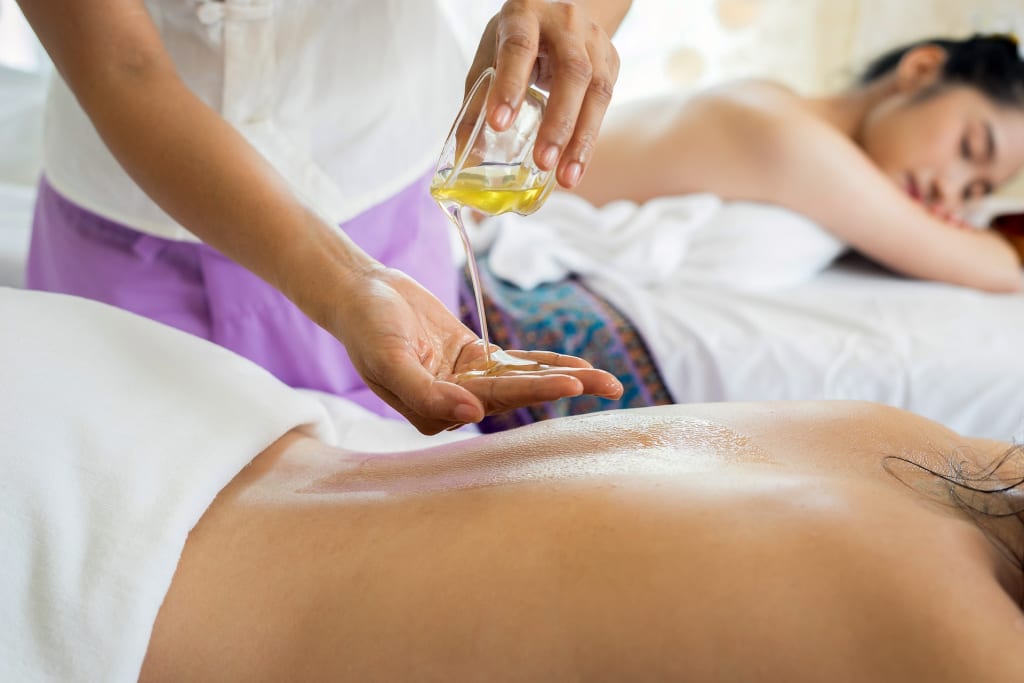
Spas have become increasingly popular over the years, offering a variety of treatments designed to relax, rejuvenate, and refresh the body and mind. From luxurious resort spas to local day spas, these establishments promise therapeutic experiences that appeal to individuals seeking rest, healing, or simply an escape from the stresses of everyday life. But what makes spas so attractive to so many people? This article delves into the reasons why people choose to visit spas, exploring the psychological, physical, and social benefits they provide.
1. Stress Relief and Relaxation
One of the most common reasons people go to a spa is to relieve stress. In today’s fast-paced world, people often find themselves juggling work, family responsibilities, and personal obligations, which can lead to burnout and fatigue. A trip to the spa offers a much-needed escape, where individuals can unwind and disconnect from their hectic schedules.
Massage Therapy: A core service at most spas, massage therapy, is known to reduce levels of the stress hormone cortisol in the body. It also helps to release endorphins, the “feel-good” hormones that promote a sense of well-being. Popular massage types like Swedish, deep tissue, and hot stone massages are designed to ease tension in the muscles, calm the mind, and promote deep relaxation.
Calming Environment: The tranquil ambiance of a spa, with its soft lighting, soothing sounds, and aromatic scents, creates an atmosphere conducive to relaxation. Many spas also feature tranquil water features such as fountains, hot tubs, or pools, which add to the overall calming effect.
2. Improved Mental Health and Emotional Well-being
While the physical benefits of a spa are widely recognized, the emotional and mental benefits are just as significant. Spas provide an opportunity for individuals to take a step back and focus on their own well-being.
Mindfulness and Meditation: Many spas offer mindfulness sessions or meditation workshops, which can help individuals achieve a state of mental clarity and emotional balance. Mindfulness practices have been shown to reduce symptoms of anxiety, depression, and stress. By focusing on the present moment, people can detach from worries and find peace in the now.
Emotional Rejuvenation: Regular visits to a spa can help individuals reconnect with themselves and foster a positive mindset. Taking the time for self-care is important for mental well-being, allowing individuals to restore their emotional energy and achieve better emotional regulation.
3. Physical Health Benefits
Spas offer a wide variety of treatments aimed at improving physical health. Many people visit spas not only for relaxation but also for the therapeutic effects these treatments provide.
Detoxification: Many spa treatments, such as body wraps and hydrotherapy, are designed to stimulate the body's natural detoxification process. Through sweating, increased circulation, and improved lymphatic drainage, spas help flush toxins from the body. Detoxing can leave individuals feeling revitalized and more energized.
Skin Care and Rejuvenation: Skin treatments such as facials, exfoliation, and anti-aging therapies are popular at spas. Facials, for example, cleanse, hydrate, and rejuvenate the skin, promoting a clearer, more youthful complexion. Many spas also use high-quality, natural skincare products that enhance the skin’s health by providing nourishment and promoting cell regeneration.
Pain Relief and Rehabilitation: Many people visit spas to relieve chronic pain or to assist with recovery from an injury. Treatments like hydrotherapy, acupuncture, and therapeutic massages can help alleviate muscle and joint pain, promote healing, and improve mobility. This makes spas especially appealing to those with chronic conditions, athletes, or anyone recovering from surgery or injury.
4. Socializing and Bonding
Spas are often a social experience, with friends, couples, or family members visiting together to relax and enjoy each other’s company. Spa visits can provide an opportunity to strengthen relationships in a serene environment.
Couple’s Spa Treatments: Many spas offer specialized treatments for couples, such as side-by-side massages or private baths. These experiences create an intimate, shared moment of relaxation, helping couples bond and create memories in a tranquil setting.
Group Visits: Some people go to spas as part of a group experience, such as a girls' weekend getaway or a bridal party celebration. These group spa visits are a great way to connect with loved ones while simultaneously indulging in pampering treatments.
Wellness Retreats: Destination spas and wellness retreats, which often include extended stays and more immersive experiences, are becoming increasingly popular. These retreats provide a holistic approach to well-being, often combining physical therapies with mindfulness, fitness, and nutritious eating. They are excellent for group bonding, whether it’s a family trip, a friend reunion, or a corporate retreat focused on stress management.
5. Beauty Enhancement and Self-Care
A visit to the spa is often associated with beauty treatments, whether it's a facial, manicure, pedicure, or body scrub. Many people go to spas to enhance their physical appearance and indulge in self-care rituals that leave them feeling pampered and beautiful.
Anti-Aging Treatments: Facials and other skin treatments at spas often target signs of aging, such as wrinkles, sagging skin, and sun damage. Non-invasive treatments like microdermabrasion, collagen masks, and chemical peels aim to refresh the skin and restore a youthful glow.
Nail and Hair Services: Manicures, pedicures, and hair treatments such as deep conditioning and scalp massages are popular at spas. These treatments promote the health of hair and nails while also offering a sensory experience of relaxation.
Self-Care Rituals: Many individuals consider a spa visit a form of self-care, allowing them to take time out from busy lives to focus on their personal health and beauty. For many, this ritual of pampering boosts self-esteem and body image.
6. Spiritual and Holistic Wellness
Spas also cater to those interested in spiritual or holistic wellness. Many spas offer services that go beyond the physical body, addressing emotional and spiritual needs as well.
Energy Healing: Certain types of spas offer energy healing therapies such as Reiki, acupuncture, or crystal therapy. These alternative therapies aim to balance the body’s energy and restore harmony within the mind, body, and spirit.
Yoga and Ayurveda: Some spas offer yoga classes, ayurvedic treatments, and other wellness practices rooted in ancient traditions. These therapies focus on the balance of body, mind, and spirit, encouraging people to embrace a holistic approach to health.
Nature Immersion: Many destination spas are located in tranquil natural settings—by the ocean, in the mountains, or in the countryside. Immersing oneself in nature has been shown to have restorative effects on mental health, promoting relaxation, reducing stress, and fostering a sense of inner peace.
7. A Break from Technology and Everyday Life
In today’s world, technology often keeps people perpetually connected to their work, social media, and entertainment. Spas offer a welcome respite from constant digital distractions.
Digital Detox: Many spa experiences encourage a “digital detox” by providing an environment where phones and electronic devices are discouraged. This allows individuals to focus entirely on their well-being and spend uninterrupted time in a peaceful setting.
Fostering Present-Moment Awareness: In a spa, the focus is on the present moment—whether it’s the sensation of warm water, the feeling of a massage, or the sound of soothing music. This kind of mindful presence can help people re-center and reset their mental state.
In conclusion, an increasingly stressful world, the importance of taking time for oneself cannot be overstated, and spas offer the perfect environment for that essential retreat.
For Booking, click https://ad.tadtrak.com/category/spa-therapy
About the Creator
Enjoyed the story? Support the Creator.
Subscribe for free to receive all their stories in your feed.
Comments
There are no comments for this story
Be the first to respond and start the conversation.