
Why Cultural Immersion Programs in Peru Create More Authentic Travel Experiences
Get to know about cultural immersion programs in Peru offer authentic travel experiences through local communities, traditions, and responsible travel practices.

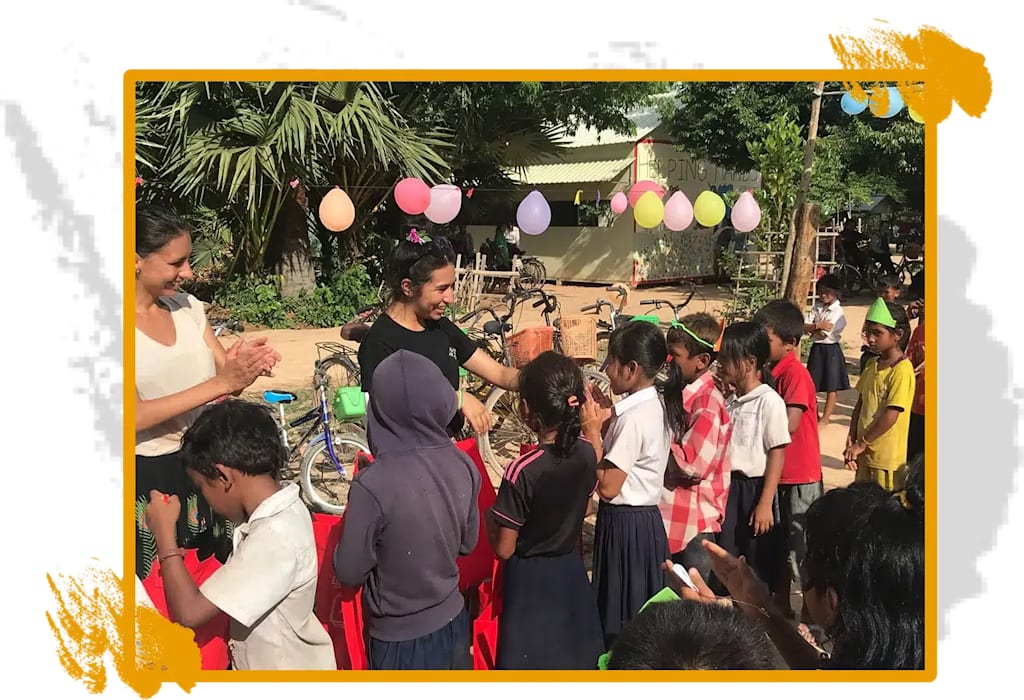
More travellers today want meaningful experiences, not rushed sightseeing. According to Forbes, 87% of travellers say authentic cultural experiences will matter more than traditional tourism in the coming years. This shows a clear shift toward deeper and more personal travel choices.
Conventional tourism often focuses on landmarks and photos. It rarely shows how people truly live. Cultural immersion travel offers something different. It allows travellers to engage with local communities, traditions, and daily life.
Peru is one of the best places for this approach. Its rich heritage and living cultures create authentic travel experiences rooted in connection and responsible travel.
In this blog, we will explore why cultural immersion programs in Peru create more authentic travel experiences.
What is Cultural Immersion Travel?
Cultural immersion travel is more than ordinary tourism. It’s more than sightseeing or taking pictures. It’s about becoming a part of local life.
Well, in these experiences you learn daily traditions, try local words in the language and eat with people who have lived in Peru for generations. Cultural immersion travel, meet the villagers, take part in celebrations and story sharing with families from local villages.
For tourists, this leads to memories that are deeper, empathy that is more profound and accommodation with greater meaning.
Why is Peru Ideal for Cultural Immersion?
For travelers who seek cultural connectivity, Peru stands out. Its diverse tradition spans cultures that have existed for thousands of years.
Here are three key reasons why Peru is a place for strong travel experiences
Andean and Amazonian Cultures
Peru is home to many first-nation cultures in the Andes and the Amazon. In high mountain towns, people still speak ancient Quechua, weave colourful textiles by hand, and celebrate old seasonal festivals.
In the Amazon Basin, river communities hold profound knowledge of plants, animals and traditional healing methods. Such experiences prove that travel is more than just sightseeing.
Traditional Farming, Weaving, and Suisine
In rural Peru, food is produced on farms that for centuries have raised crops the same way. Travellers can learn how to plant, harvest or cook with locals. These are all lessons that instill a sense of respect for the outdoors, patience, and craft.
Rural and Urban Cultural Contrasts
The cities of Peru are not the same as its countryside. In Lima, you could delve into bustling markets and surf culture. In Cusco, Inca history meets modern life. In mountain villages, life moves slowly, tied to the earth and the seasons. Seeing these contrasts shows the many layers of Peruvian identity.
How Do Immersion Programs Deepen Cultural Understanding?
Immersion programs help travellers learn culture naturally by sharing everyday moments instead of observing from a distance.
Living With Local Communities
By living with local families, you can witness the day-to-day. You can work together, exchange stories and aid in meals and household duties. These moments show real life.
Participating in Traditional Practices
Immersion programs often let travellers join cultural practices. You could assist with farming, or take local cooking lessons, or learn a dance. These are activities that teach skills and foster respect for traditions that have endured for generations. There are various programs for these on globalteer.
Learning Through Language and Storytelling
Even knowing a few key phrases in Spanish or Quechua can help open doors. Stories about mythology, history or personal experience are frequently told. Storytelling becomes a bridge. It connects you to a culture through words and feelings.
Understanding Cultural Values and Worldviews
Immersion shows you how people view family, nature, and community. You learn values that guide daily decisions. This goes beyond what you ever get from guidebooks. It shapes how you think about the world too.
How Do Immersion Programs Support Local Communities?
Cultural immersion travel can help local communities in many ways. Good programs value mutual respect and fair exchange.
- They are community-led initiatives where locals help design activities.
- They focus on skills exchange rather than charity, where travellers learn skills while offering help if asked.
- They promote economic opportunities that don’t require travelling afar, meaning money stays with families, artisans and farmers.
- These modalities are responsible tourism in Peru, community based travel and sustainable tourism. They preserve traditions and support local economies.
Travellers and communities are better off after experiencing the immersion. They form enduring connections and make a difference that matters.
Why are Cultural Experiences More Authentic Than Traditional Tourism?
Cultural immersion experiences are different from standard tours. Traditional travel often feels scripted. You follow a set route. You see famous spots. You take photos and move on.
Immersive experiences feel personal. They make it possible to hear local voices, share laughter and see things as locals do. These are the kinds of experiences that build memories rather than just postcard stops. They foster relationships not just impressions.
Who Benefits Most From Cultural Immersion Travel?
Many types of travellers grow from these experiences:
- Conscious travellers who seek meaning and ethics.
- Students looking for gap year volunteering programs.
- Slow travelers and digital nomads who are staying longer and diving deeper.
- Those wanting to make travel experiences more impactful and ethical.
These communities thrive in different ways on cultural immersion.
How Can Travelers Choose Ethical Immersion Programs in Peru?
To ensure your experience is respectful and positive, follow these tips:
- Check if any part of the program was designed with community input.
- Emphasize cultural respect and mutual exchange, not just help given.
- Beware programs that monetize tradition or treat culture as a commodity.
These little signs give you an idea of where to look for travel volunteer opportunities abroad that really respect Peru’s people. This also applies to ethical volunteering and even Peru volunteer opportunities that involve deeper relationships.
Why is Cultural Immersion the Future of Travel in Peru?
Cultural immersion makes us rethink travel. It mixes learning, respect, and genuine interaction with local people and places. These deep cultural connections in Peru ensure that traditions are preserved, local life is sustained and memories linger long after the trip is over.
Traveling was not only going to see famous places now. It’s eating together, learning rituals, and growing as a person. This change is evident that meaningful travel will be the only way into tomorrow; it won't just be ticking off sights, but getting to the heart of a place.
About the Creator
Enjoyed the story? Support the Creator.
Subscribe for free to receive all their stories in your feed.
Comments
There are no comments for this story
Be the first to respond and start the conversation.