
Why Content Marketing Matters for Bangalore Businesses
digital marketing in Bangalore


The world of marketing has changed quickly, and businesses understand that connecting with their audience requires more than just selling products or services. Bangalore, often called the Silicon Valley of India, is a bustling hub of innovation, tech startups, and growing local businesses. In this digital environment, digital marketing in Bangalore has become a lifeline for brands aiming to stand out and build meaningful relationships with their customers.
As a digital marketing specialist working in this dynamic city, I’ve seen how content marketing can transform businesses. A few years ago, I collaborated with a small home decor brand in Bangalore that struggled to attract new customers. They had great products but lacked a digital presence. By implementing a focused content marketing strategy creating engaging blog posts, leveraging social media, and optimizing for local SEO we saw a significant increase in website traffic and conversions within months. This experience reaffirmed my belief that digital marketing in Bangalore grows on the power of content. From boosting brand visibility to fostering trust and improving ROI, content marketing can give your business the competitive edge it needs. Whether you’re a startup or an established brand, the right content strategy can drive meaningful results.
What is Content Marketing?
Content marketing is a strategic approach to creating and sharing valuable, relevant, and consistent content to attract and retain a clearly defined audience. Unlike traditional advertising, content marketing focuses on providing information or entertainment that addresses the needs or interests of your audience, ultimately driving profitable customer actions.
For example, a local fitness center might publish workout tips or healthy recipes, positioning itself as a trusted resource in the fitness community. The goal is to build trust, increase brand awareness, and nurture long-term customer relationships.
Types of Content Marketing
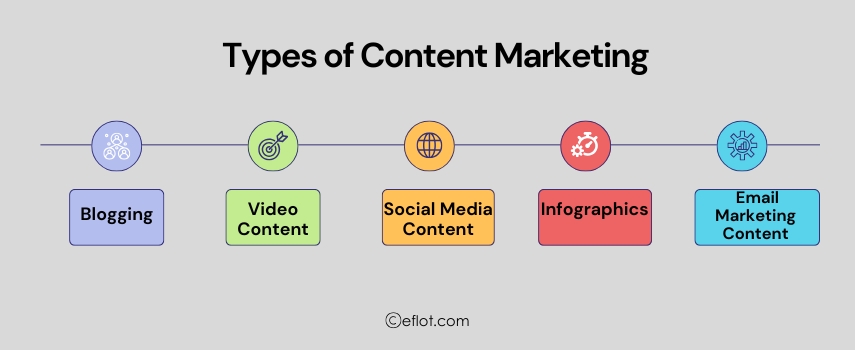
Content marketing spans a wide range of formats and channels, each designed to serve specific purposes and audiences. Here’s a detailed look at the various types of content marketing and how they work:
1. Blogging
Blogging remains one of the most powerful tools in content marketing. Businesses can use blogs to educate their audience, share industry insights, and solve problems. Key benefits include:
Driving Organic Traffic: Blogs optimized for SEO can rank high on search engines, attracting readers searching for relevant topics.
Establishing Authority: Consistent, valuable blog posts position businesses as thought leaders in their field.
For example, a healthcare clinic could blog about topics like “How to Stay Healthy During Monsoon Season” or “Top 5 Signs You Should See a Doctor.”
2. Video Content
Video marketing is one of the most engaging forms of content marketing. Videos can be used across multiple platforms, such as YouTube, Instagram, TikTok, and LinkedIn. Popular formats include:
How-To Videos: Demonstrating how to use a product or service.
Customer Testimonials: Building trust through real-life success stories.
Brand Stories: Sharing the company’s journey or mission.
For instance, a Bangalore-based fashion brand could create a behind-the-scenes video showing how their garments are sustainably made, connecting with eco-conscious consumers.
3. Social Media Content
Social media platforms like Facebook, Instagram, LinkedIn, and Twitter are ideal for reaching broad audiences and building community. Businesses can share:
Quick Tips: Bite-sized advice or solutions.
Interactive Content: Polls, Q&A sessions, or contests to engage followers.
Visual Stories: Using features like Instagram Reels or Stories to showcase products or events.
4. Infographics
Infographics combine data and visuals to simplify complex topics or present statistics engagingly. They’re highly shareable, making them perfect for social media and blogs. Examples include:
Industry trends and forecasts.
Step-by-step processes or guides.
Statistics or research summaries.
5. Email Marketing Content
Email marketing remains one of the most cost-effective ways to nurture leads and retain customers. It’s not just about promotions; it’s about offering value. Types of email content include:
Newsletters: Sharing updates, news, or tips regularly.
Personalized Offers: Based on browsing or purchase history.
Exclusive Content: E-books, guides, or discounts for subscribers.
5 Reasons Why Content Marketing Matters For Bangalore Businesses
Content marketing has become a cornerstone of modern business strategies, helping brands connect with their audience, build trust, and drive measurable results. Here are five compelling reasons why content marketing matters:
1. Builds Trust and Credibility
In a world where consumers are inundated with ads, authentic and valuable content stands out. Content marketing enables businesses to address customer pain points, answer questions, and provide solutions without directly selling. Over time, this builds trust and positions the brand as a credible authority in its field.
2. Boosts Organic Traffic and SEO
Content marketing is a key driver of organic traffic. By creating high-quality, keyword-optimized content, businesses can improve their search engine rankings, making it easier for potential customers to find them online.
3. Supports Lead Generation
Content marketing is an effective way to attract and nurture leads. By offering valuable resources like e-books, guides, or webinars in exchange for contact information, businesses can build a list of potential customers.
4. Fosters Customer Engagement
Engaging content keeps audiences connected with your brand. Interactive formats like videos, infographics, and social media posts create opportunities for meaningful interactions, fostering brand loyalty.
5. Delivers High ROI
Unlike traditional advertising, content marketing has long-term benefits. A well-written blog or video can drive traffic, leads, and conversions for months or even years. It’s a cost-effective strategy that continues to yield results over time.
Case Studies
Case Study1:
UrbanCraft Interiors, a custom furniture brand in Bangalore, offered high-quality, locally crafted products but faced difficulty reaching their target audience. The brand struggled with low online visibility and limited customer engagement, despite having a robust product catalog.
Challenges
Low awareness of their handcrafted furniture among local buyers.
Difficulty in explaining the value of their customization options.
Lack of engagement on social media and website.
Results
Within five months, UrbanCraft Interiors experienced a 55% increase in website traffic and a 30% rise in online inquiries. Their storytelling approach helped build trust, and the interactive social media content boosted engagement by 60%. Sales increased by 25%, proving the effectiveness of their content marketing strategy.
Case Study2:
SmartHub Gadgets, a Bangalore-based tech company specializing in smart home devices, wanted to increase its market share. Despite a unique product line, the brand struggled with low visibility and poor customer understanding of the value of smart home technology.
Challenges
Limited awareness about their products and how they worked.
Difficulty in explaining the benefits of smart home integration.
Minimal engagement on their product pages and social media.
Results
SmartHub Gadgets saw a 70% increase in website traffic within four months, driven by educational content and SEO optimization. The influencer campaigns generated a 40% rise in social media engagement, while product demonstration videos helped boost conversions by 35%. Customers became more informed, leading to higher satisfaction and repeat purchases.
Content marketing is a versatile and powerful strategy that businesses can tailor to suit their goals and audience. Whether through blogs, videos, infographics, or podcasts, each type of content plays a unique role in engaging audiences, building trust, and driving conversions. By using these formats effectively, businesses can create a comprehensive content marketing strategy that delivers long-term value.
About the Creator
Enjoyed the story? Support the Creator.
Subscribe for free to receive all their stories in your feed.
Comments
There are no comments for this story
Be the first to respond and start the conversation.