
Why Charcoal and Tea Tree Soap Is Becoming the Go-To Solution for Acne-Prone Skin
Charcoal and Tea Tree Soap for Acne
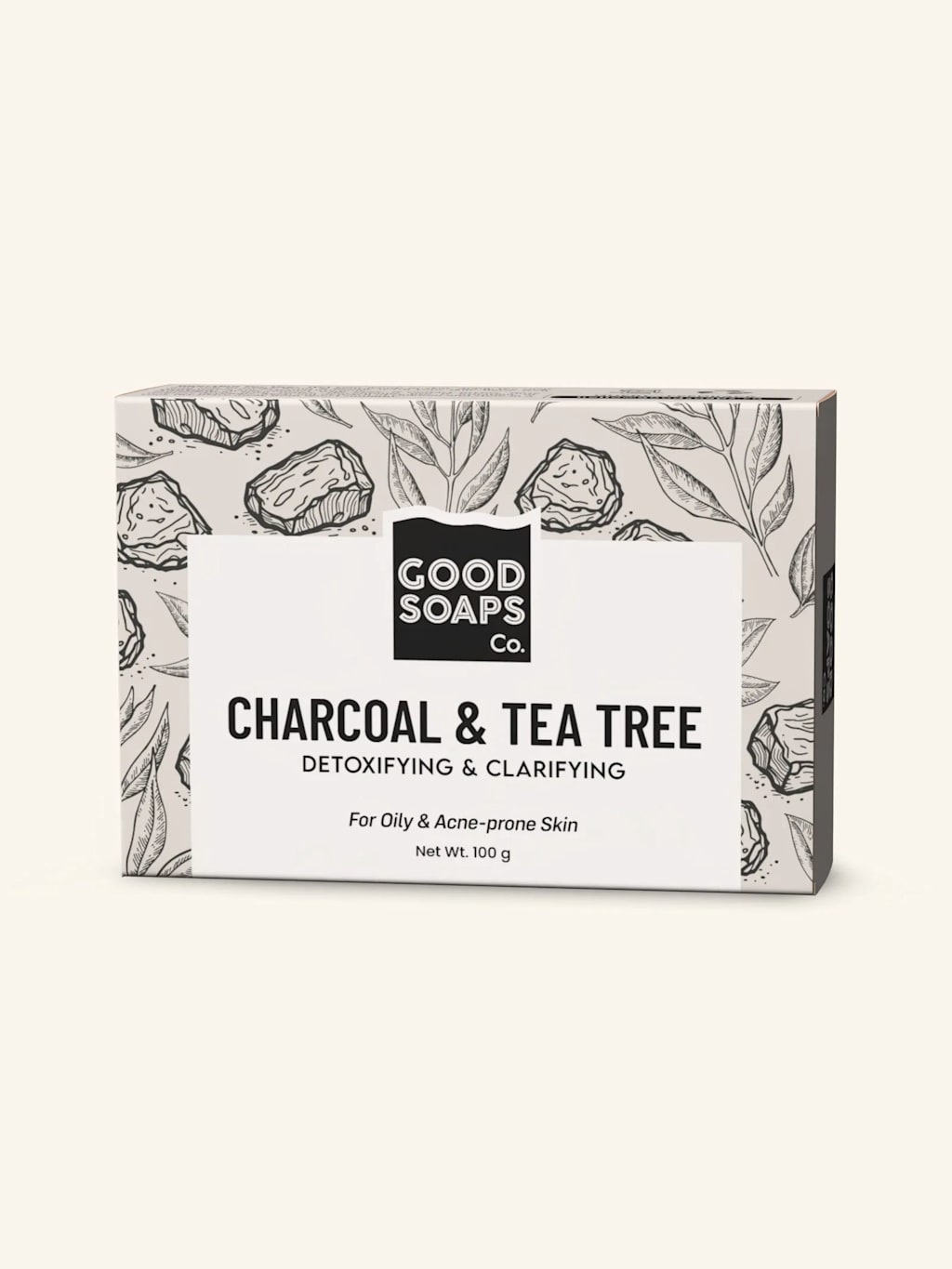
Acne has become one of the most frustrating skin concerns worldwide, and not just for teenagers anymore. Adults in their 20s, 30s, and even 40s are constantly dealing with oily skin, clogged pores, painful pimples, and dark spots left behind by breakouts.
What makes the situation worse is that most people unknowingly damage their skin while trying to fix it.
Harsh face washes strip away natural oils. Strong acne creams leave the skin irritated and flaky. Chemical-heavy products promise “instant results” but often create more sensitivity over time. Many people end up stuck in an endless cycle of breakouts, dryness, redness, and disappointment.
The truth is simple: acne-prone skin does not need aggressive treatment it needs balance.
This is exactly why ingredient-focused skincare has exploded in popularity over the past few years. Consumers are becoming more careful about what they put on their skin, and natural ingredients with proven benefits are now leading the conversation.
Among the most talked-about skincare combinations today is Charcoal and Tea Tree Soap, a powerful blend designed to deeply cleanse the skin, remove excess oil, and naturally control acne-causing bacteria.
But what makes this combination so effective?
The answer lies in understanding what actually causes acne in the first place.
The Real Causes Behind Acne Breakouts
Acne develops when pores become blocked with oil, dirt, dead skin cells, and bacteria. Once pores are clogged, inflammation begins, leading to blackheads, whiteheads, pimples, and sometimes painful cystic acne.
Several everyday factors contribute to acne, including:
- Excess oil production
- Hormonal fluctuations
- Sweat and pollution buildup
- Poor skincare habits
- Stress and lack of sleep
- Heavy cosmetic products
- Acne-causing bacteria on the skin
For many people, oily skin is one of the biggest triggers. When excess oil mixes with dirt and bacteria, pores become congested quickly.
Unfortunately, many acne products focus only on drying the skin aggressively. While this may temporarily reduce oiliness, it often weakens the skin barrier and forces the skin to produce even more oil later.
This creates a cycle where acne keeps returning.
Modern skincare experts now emphasize something much more important: deep cleansing without damaging the skin barrier.
That’s where charcoal and tea tree ingredients stand out.
Activated Charcoal: Deep Cleansing Without the Harshness
Activated charcoal has become one of the most popular ingredients in skincare, especially for oily and acne-prone skin.
Known for its detoxifying properties, activated charcoal works by helping pull impurities away from the skin’s surface. It acts almost like a magnet that attracts dirt, excess oil, sweat, and environmental pollutants trapped inside pores.
This deep-cleansing ability makes charcoal particularly beneficial for people struggling with:
- Oily skin
- Congested pores
- Blackheads
- Acne-prone skin
- Urban pollution exposure
Unlike many harsh exfoliating cleansers, charcoal helps cleanse deeply without excessive scrubbing or irritation.
One major reason people love charcoal soap is the clean, refreshed feeling it leaves behind. Instead of making the skin feel stripped or tight, quality charcoal formulas help create a balanced cleansing effect.
For acne-prone individuals, this matters more than most people realize.
Healthy skin is not skin that feels painfully dry after washing. Healthy skin is skin that feels clean while maintaining its natural balance.
Tea Tree Oil: Nature’s Acne-Fighting Ingredient
Tea tree oil has been trusted in skincare for decades because of its natural antibacterial and soothing properties.
Derived from the leaves of the tea tree plant, tea tree oil is widely recognized for helping combat acne-causing bacteria while calming inflamed skin.
This makes it especially useful for people dealing with:
- Active pimples
- Redness and irritation
- Oily skin
- Frequent breakouts
- Inflamed acne spots
Unlike some harsh acne treatments that can cause peeling and sensitivity, tea tree oil offers a gentler approach to skincare support.
Another reason tea tree oil has gained massive popularity is the refreshing sensation it provides during cleansing. Many users describe their skin as feeling fresher, cleaner, and less greasy after consistent use.
But the real magic happens when tea tree oil is combined with activated charcoal.
Why Charcoal and Tea Tree Make the Perfect Acne Combination
Separately, both ingredients are powerful. Together, they target several major causes of acne at once.
1. Deep Pore Cleansing
Activated charcoal helps remove trapped dirt, oil, and impurities from the pores.
2. Oil Control
The combination helps reduce excess shine without completely drying out the skin.
3. Bacteria Support
Tea tree oil helps fight acne-causing bacteria that contribute to breakouts.
4. Skin Refreshing
The soap leaves the skin feeling cleaner and fresher after every wash.
5. Soothing Effect
Tea tree oil may help calm redness and irritation linked to acne flare-ups.
This balanced approach is one reason why charcoal and tea tree soaps continue to gain popularity among skincare-conscious consumers.
Instead of attacking the skin aggressively, the formula supports healthier cleansing habits while helping acne-prone skin stay cleaner and more balanced.
Why More People Are Switching to Ingredient-Based Skincare
Consumers today are far more educated about skincare than they were a decade ago.
People no longer buy products simply because of flashy marketing. Instead, they actively check ingredient labels and search for formulations that are both effective and skin-friendly.
This shift has fueled the demand for products featuring ingredients like:
- Activated charcoal
- Tea tree oil
- Aloe vera
- Salicylic acid
- Niacinamide
- Clay minerals
Among these, charcoal and tea tree remain one of the most popular combinations because they address multiple acne concerns simultaneously.
People want skincare products that:
- Clean without damaging
- Support healthy skin balance
- Feel lightweight and refreshed
- Works well for oily skin
- Avoid unnecessary harsh chemicals
Charcoal and tea tree soaps fit perfectly into this growing skincare movement.
Common Acne-Care Mistakes Most People Make
Even the best skincare products may fail if the overall routine is unhealthy.
Here are some common mistakes people make while treating acne:
Overwashing the Skin
Washing the face repeatedly can weaken the skin barrier and trigger more oil production.
Using Too Many Products Together
Mixing multiple acne treatments often causes irritation and sensitivity.
Scrubbing Aggressively
Harsh scrubbing can worsen inflammation and damage acne-prone skin.
Skipping Moisturizer
Many people with oily skin avoid moisturizers completely, which may actually increase oil production.
Expecting Instant Results
Healthy skincare takes consistency. Most products need time before visible improvement appears.
Balanced skincare almost always performs better than aggressive routines.
Who Should Use Charcoal and Tea Tree Soap?
Charcoal and tea tree soap can be a great option for:
- Oily skin types
- Acne-prone skin
- Teenagers experiencing breakouts
- Adults with recurring acne
- People are exposed to sweat and pollution daily
- Individuals struggling with clogged pores and blackheads
Because the formula focuses on cleansing and oil balance, it can fit well into many basic skincare routines.
However, people with extremely dry or highly sensitive skin should always patch-test before regular use.
What to Look for in a Quality Acne Soap
Not all charcoal soaps deliver the same results.
Some products contain very little active charcoal or tea tree oil while filling the formula with artificial fragrances and harsh detergents.
A high-quality charcoal and tea tree soap should ideally contain:
- Genuine activated charcoal
- Real tea tree oil
- Gentle cleansing ingredients
- Skin-friendly formulation
- Minimal harsh additives
The best skincare products are not necessarily the strongest; they are the ones formulated thoughtfully.
Can Charcoal and Tea Tree Soap Completely Cure Acne?
No skincare product should promise a “miracle cure” for acne.
Acne is influenced by several factors, including hormones, genetics, stress, diet, and lifestyle habits. Because of this, no soap alone can permanently eliminate acne forever.
However, consistent use of a well-formulated charcoal and tea tree soap may help:
- Keep pores cleaner
- Reduce excess oil buildup
- Support healthier-looking skin
- Minimize breakout frequency
- Improve overall skin freshness
The goal should always be long-term skin improvement, not overnight perfection.
The Future of Acne Skincare Is Simpler Than You Think
One of the biggest changes happening in skincare today is the move toward simpler, ingredient-focused routines.
People are becoming tired of complicated 10-step routines filled with harsh chemicals and unrealistic promises.
Instead, consumers now prefer products that are:
- Effective
- Easy to use
- Gentle on the skin
- Ingredient-focused
- Suitable for daily routines
Charcoal and tea tree soap fits naturally into this trend because it focuses on cleansing, oil balance, and skin comfort, three things acne-prone skin truly needs.
Final Thoughts
Living with acne can feel exhausting, especially when product after product fails to deliver real improvement.
But healthier skin often starts with something simple: using ingredients that support the skin instead of overwhelming it.
Charcoal and Tea Tree Soap has become increasingly popular because it combines deep cleansing with natural antibacterial support in one balanced formula. Activated charcoal helps draw out impurities and excess oil, while tea tree oil helps refresh and calm acne-prone skin.
Together, they create a skincare solution that feels effective without being unnecessarily harsh.
While no soap can magically erase acne overnight, choosing the right cleansing routine can make a noticeable difference over time.
For people looking to simplify their skincare while supporting clearer, fresher-looking skin naturally, charcoal and tea tree soap may be one of the smartest additions to their daily routine.
FAQs
1. Is charcoal and tea tree soap good for acne-prone skin?
Yes, charcoal and tea tree soap are commonly used for acne-prone skin because it helps deeply cleanse pores, control excess oil, and support cleaner-looking skin.
2. Can charcoal soap remove oily skin?
Activated charcoal helps absorb excess oil and impurities from the skin, making it popular among people with oily skin types.
3. How often should I use charcoal and tea tree soap?
Most people use it once or twice daily, depending on their skin type and sensitivity.
4. Does tea tree oil help with pimples?
Tea tree oil is known for its antibacterial and soothing properties, which may help reduce the appearance of pimples and redness.
5. Is charcoal soap suitable for sensitive skin?
Some sensitive skin types may tolerate it well, but patch-testing is always recommended before regular use.
6. Can charcoal and tea tree soap help with blackheads?
Because the formula helps remove dirt, oil, and clogged impurities, it may help reduce the appearance of blackheads over time.
7. Will this soap dry out my skin?
A well-formulated charcoal and tea tree soap should cleanse the skin without excessive dryness, though using a moisturizer afterward is still recommended.
8. How long does it take to see results?
Skincare results vary from person to person, but consistent use over several weeks is usually necessary before noticeable improvements appear.
About the Creator
Good Soaps
At GoodSoaps Co., we believe your skin deserves better than what's sitting on the supermarket shelf. Commercial manufacturers extract glycerin from soap and sell it separately.
Enjoyed the story? Support the Creator.
Subscribe for free to receive all their stories in your feed.
Comments
There are no comments for this story
Be the first to respond and start the conversation.