
Why British Place Names Confuse Everyone
A humorous look at the strange spellings, unexpected pronunciations, and centuries of history behind Britain's most baffling place names.

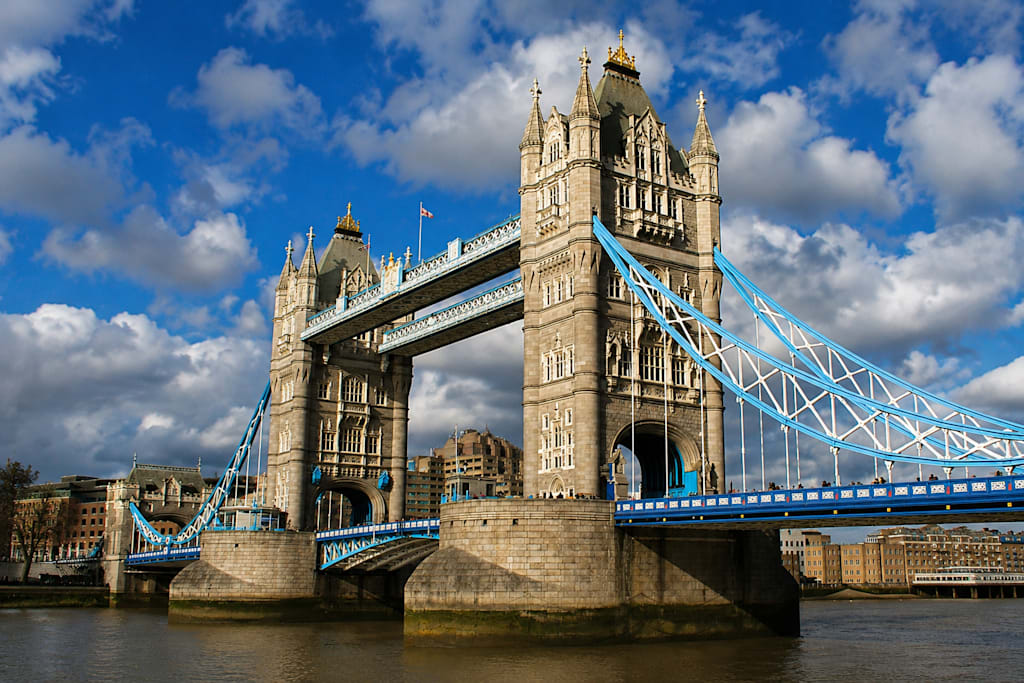
For many visitors arriving in Britain, the first challenge is not driving on the left side of the road or understanding regional accents. It is simply trying to pronounce the names of places on a map.
At first glance, British place names appear straightforward. Then someone confidently attempts to say "Leicester" as "Lie-chester" or "Worcester" as "War-sester," only to discover that neither pronunciation is remotely correct. Suddenly, a road trip becomes a linguistic obstacle course.
To foreigners, British place names often seem as though someone randomly removed half the letters centuries ago and forgot to put them back. Yet for locals, these unusual pronunciations are perfectly normal. The result is a source of endless confusion, amusement, and occasional embarrassment for tourists.
The mystery begins with Britain's long and complicated history. Over thousands of years, the country has been influenced by Celtic tribes, Romans, Anglo-Saxons, Vikings, Normans, and countless regional dialects. Each group left its mark on local names. While pronunciation evolved naturally over time, the spelling often remained frozen in history.
This creates a fascinating situation where modern readers are expected to pronounce words according to rules that disappeared hundreds of years ago.
Take Leicester, for example. Most visitors naturally assume every letter deserves to be spoken. Yet locals pronounce it simply as "Lester." The same rule applies to Gloucester and Worcester, which become "Gloster" and "Wooster." To outsiders, it can feel like a practical joke being played on anyone unfamiliar with British geography.
The confusion becomes even greater when travellers discover that similar-looking names can follow completely different pronunciation patterns. There is no universal guidebook that explains which letters should be ignored and which should not. Learning them often requires experience, correction, and a willingness to laugh at mistakes.
Among the many examples across the country, London and its surrounding areas provide some of the most entertaining cases. Discussions about the most mispronounced places in London regularly appear online as visitors attempt to navigate neighbourhoods whose names look nothing like they sound.
Take Southwark. Many first-time visitors pronounce it exactly as it appears on the page. Locals, however, say "Suth-erk." Then there is Marylebone, which often becomes "Mary-le-bone" in the mouths of tourists but is actually pronounced "Mar-li-bone." Greenwich, famous around the world for its connection to timekeeping, is usually pronounced "Gren-itch," not "Green-witch."
These examples demonstrate a recurring pattern in British English: letters that appear important often vanish entirely during speech.
Part of the reason lies in the evolution of language. During the medieval period, spelling was far less standardized than it is today. Scribes often recorded names according to local customs or personal preferences. As centuries passed, pronunciation shifted while written forms remained largely unchanged.
The Norman Conquest added another layer of complexity. French-speaking rulers introduced their own spelling conventions, many of which blended with existing Anglo-Saxon names. Later, the invention of printing helped lock these spellings into place. By the time pronunciation continued to evolve, the written versions had already become permanent.
As a result, Britain now possesses a remarkable collection of place names that function almost like historical artifacts. Each one tells a story about migration, conquest, cultural exchange, and linguistic change.
Some names are so confusing that even native English speakers from other countries struggle with them. Edinburgh is often pronounced incorrectly by visitors to Scotland. Cholmondeley becomes "Chumley." Happisburgh transforms into "Hays-bruh." Belvoir becomes "Beaver." Without local knowledge, guessing correctly is nearly impossible.
What makes the situation particularly amusing is the confidence with which newcomers often attempt these pronunciations. A traveller may spend several minutes studying a map, carefully sounding out every syllable, only to discover that the correct pronunciation bears little resemblance to the written word.
Locals are generally accustomed to these mistakes. In fact, many view them as a rite of passage. Every resident remembers hearing a tourist confidently ask for directions to "Green-witch" or "South-wark" for the first time.
The internet has only amplified the phenomenon. Social media is filled with videos of foreigners attempting to pronounce British place names, often with hilarious results. Entire quizzes challenge participants to identify the correct pronunciation of locations scattered across England, Scotland, Wales, and Northern Ireland.
Yet beneath the humour lies something genuinely fascinating. These unusual names provide a living connection to Britain's past. They remind us that language is constantly changing, even when spelling remains fixed. Every confusing pronunciation is evidence of centuries of cultural evolution preserved in everyday speech.
For travellers, learning these names can become part of the adventure. Successfully pronouncing a difficult location often feels like earning a badge of honour. After a few days, visitors begin to understand that British geography operates according to its own unique set of linguistic rules—or perhaps no rules at all.
That unpredictability is part of the charm. In a world where many things are becoming increasingly standardized, Britain's place names remain delightfully eccentric. They challenge assumptions, spark conversations, and provide endless opportunities for amusement.
So the next time a foreign visitor stares at a railway map in complete confusion, wondering how "Leicester" somehow became "Lester," they can take comfort in one simple fact: they are not alone. Millions of travellers have faced the same puzzle before them.
And chances are, even some locals still occasionally get caught out by a place name they have never encountered before.
After all, when it comes to British place names, making sense was never really the point.
About the Creator
Evelyn Clede
Evelyn Clede is a versatile writer & storyteller covering lifestyle, travel, business, tech, personal development, celebrity & current topics. Passionate about insightful, engaging content that informs & sparks meaningful conversations.
Enjoyed the story? Support the Creator.
Subscribe for free to receive all their stories in your feed.
Comments
There are no comments for this story
Be the first to respond and start the conversation.