
Why Art Integrated Learning Is Here to Stay
Exploring the Future of Education: Why Art Integrated Learning Is Here to Stay
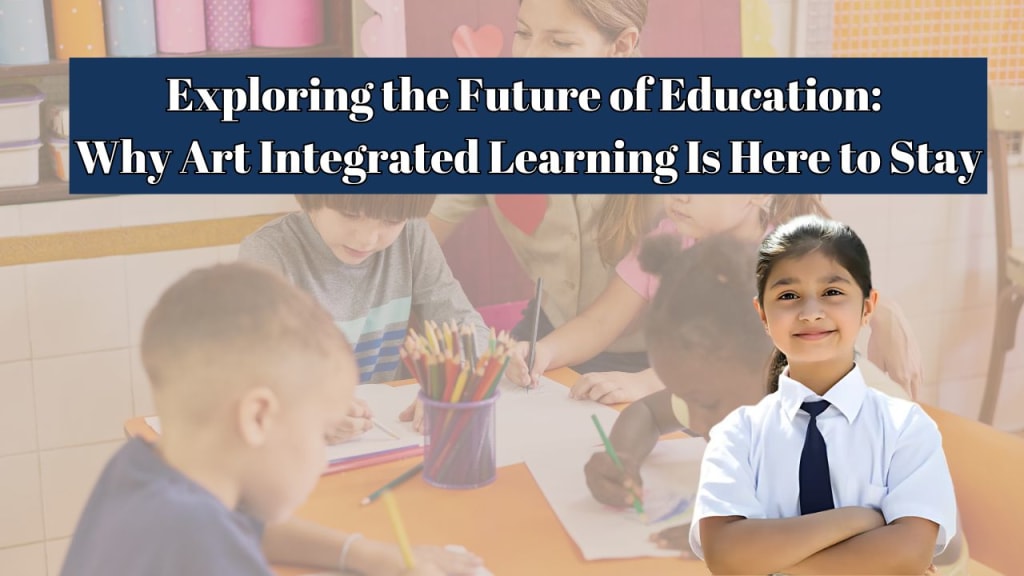
Imagine a classroom where students don't just memorize facts but express their knowledge through painting, music, and drama. Picture your child mastering math through dance or understanding history by creating their own art.
This is not just an innovative trend; it’s a powerful shift in education. Art Integrated Learning is transforming how students learn, making education more engaging, inclusive, and effective.
Want to know why this approach is revolutionizing classrooms and why it’s here to stay? Keep reading to find out how creativity is shaping the future of education!
Benefits of Art Integrated Learning
Art Integrated Learning offers numerous benefits that make it an effective and valuable teaching strategy. Let’s explore some of the key advantages for students:
Enhanced Engagement and Retention
One of the biggest challenges in traditional education is maintaining students' interest. Art Integrated Learning changes this by making lessons more dynamic and enjoyable.
Students are more likely to engage with material they find fun and creative, leading to better retention of information. Studies show that when students participate in artistic activities, they develop stronger memory skills, which help them remember academic concepts more effectively.
Development of Critical Thinking and Problem-Solving Skills
Art encourages students to think outside the box and approach problems from different perspectives.
Whether they’re creating visual art or performing a scene in theater, students learn to analyze, interpret, and innovate. Art Integrated Learning fosters these critical thinking skills, allowing students to tackle academic challenges more confidently and creatively.
Holistic Development
Art isn’t just about being creative; it’s about expressing emotions, improving communication skills, and building confidence.
When students engage in Art Integrated Learning, they not only learn academic content but also develop emotional intelligence, collaboration, and self-awareness. These are essential life skills that go beyond the classroom.
Inclusivity and Accessibility
Every student learns differently, and traditional methods may not resonate with everyone. Art Integrated Learning provides an inclusive environment where students with different learning styles and abilities can thrive.
By integrating art, teachers can reach students who may struggle with conventional approaches, offering them an alternative pathway to understanding key concepts.
Why Art Integrated Learning Is Here to Stay
The future of education is rapidly changing, and Art Integrated Learning is positioned to play a central role in shaping it. Here’s why this approach is not just a passing trend, but a transformative shift in how we educate future generations:
Adaptation to 21st Century Skills
As the world becomes more interconnected and technology-driven, the skills students need are also evolving. Creativity, collaboration, and adaptability are highly valued in today’s workforce.
Art Integrated Learning prepares students for these demands by fostering the kinds of skills that are critical in the modern world. Schools that embrace this approach are not only teaching academic content but are also preparing students to be innovators and problem-solvers.
Support from Educational Policies
Many governments and educational institutions are recognizing the importance of art in education. In India, for example, the National Education Policy (NEP) 2020 emphasizes Art Integrated Learning as a vital part of the curriculum.
By embedding art into core subjects, educators can provide a well-rounded education that caters to the diverse needs of students.
Positive Impact on Mental Health
In an era where student stress levels are on the rise, Art Integrated Learning offers a more relaxed and expressive form of education.
Creative activities are known to reduce anxiety and improve mental well-being, making it a healthier approach to learning. This mental health benefit further supports the argument that Art Integrated Learning is here to stay.
A Shift Toward Experiential Learning
Modern education is moving away from rote memorization and standardized testing, instead favoring experiential learning—where students learn by doing
Art Integrated Learning aligns perfectly with this shift, as it is inherently experiential. Students don’t just learn facts; they experience the process of learning through art, which makes the knowledge they gain more lasting and meaningful.
How Parents and Students Can Embrace Art Integrated Learning
As Art Integrated Learning becomes more common in schools, parents and students can take steps to make the most of this educational approach. Here are a few tips:
Encourage Creativity at Home: Parents can support this learning style by encouraging creative activities outside of school. Drawing, painting, playing instruments, and even cooking can all be ways to reinforce learning through art.
Get Involved in School Programs: Many schools now offer extracurricular activities that align with Art Integrated Learning. Parents should encourage their children to participate in school plays, art clubs, or music groups.
Focus on Holistic Development: Students who engage with art both academically and recreationally tend to have more balanced development. They gain confidence, improve communication skills, and develop emotional intelligence—traits that are crucial for success in life.
Conclusion
Art Integrated Learning represents the future of education, where creativity and academic learning are intertwined to create a more engaging and effective learning environment.
With its proven benefits, such as enhancing student engagement, promoting critical thinking, and supporting holistic development, it’s no surprise that Art Integrated Learning is here to stay.
For parents and students, embracing this approach means preparing for a future where creativity and knowledge go hand in hand, opening up endless possibilities for success in education and beyond.
About the Creator
Enjoyed the story? Support the Creator.
Subscribe for free to receive all their stories in your feed.
Comments
There are no comments for this story
Be the first to respond and start the conversation.