
Why a Master’s in Robotics is the Ultimate Career Booster for Engineers
master in robotics
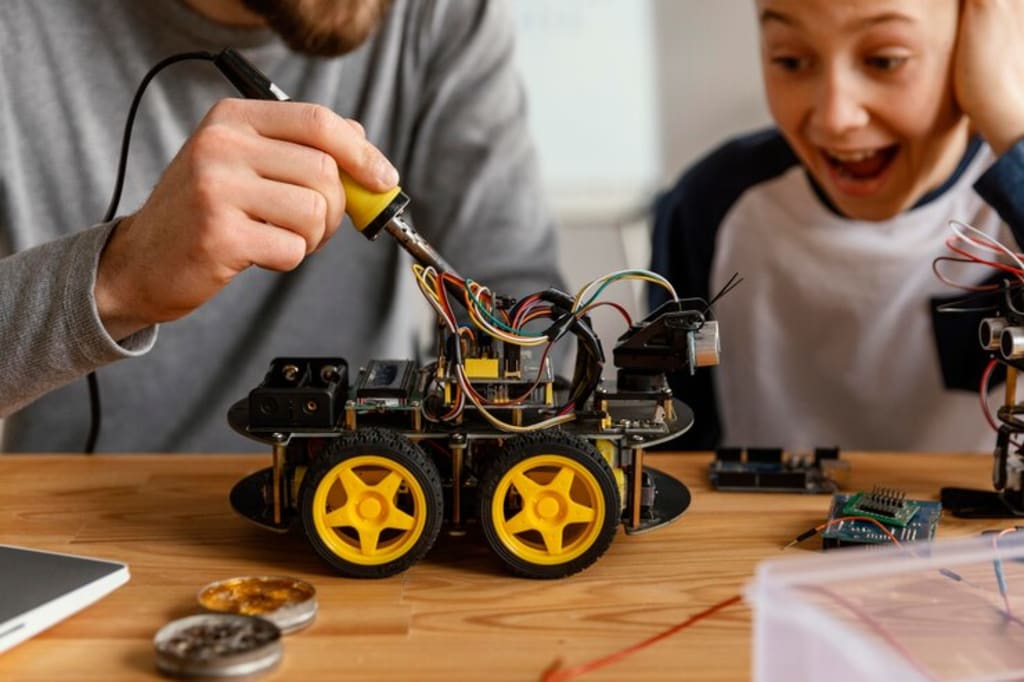
The field of robotics is rapidly evolving, and engineers looking to advance their careers can greatly benefit from pursuing a master in robotics. With the increasing demand for automation, AI-driven solutions, and smart systems across industries, having an advanced degree in robotics not only enhances technical expertise but also opens up vast career opportunities in research, innovation, and industry leadership.
The Growing Demand for Robotics Engineers
Robotics is no longer limited to industrial automation. It has found applications in healthcare, defense, space exploration, and even consumer electronics. The integration of AI and machine learning has further propelled the demand for skilled robotics professionals who can design, develop, and implement intelligent robotic systems.
Why Choose a Master’s in Robotics?
Comprehensive Technical Knowledge: A Master’s in Robotics provides in-depth knowledge of areas such as artificial intelligence, control systems, computer vision, and embedded systems. This advanced expertise allows engineers to work on cutting-edge robotics projects.
Hands-On Experience: Many robotics programs emphasize practical applications, offering students opportunities to work on real-world projects, build prototypes, and collaborate with industry partners.
Higher Salary and Career Advancement: Robotics engineers with a master’s degree typically command higher salaries and better career prospects than those with only a bachelor’s degree. They are also more likely to be considered for leadership roles in engineering firms and research institutions.
Specialization Opportunities: A master’s degree allows engineers to specialize in niche areas such as humanoid robotics, robotic surgery, autonomous vehicles, and AI-driven automation.
Global Career Opportunities: Robotics is a global industry with opportunities spanning across various sectors. Engineers with a master’s in robotics can work in top technology companies, government agencies, research labs, and even start their own robotics ventures.
Key Subjects Covered in a Master’s in Robotics Program
A Master’s in Robotics curriculum typically includes a diverse set of subjects that prepare students for multidisciplinary roles in the industry. Some of the key topics covered include:
- Artificial Intelligence and Machine Learning – Understanding algorithms and neural networks that enable robots to make intelligent decisions.
- Computer Vision and Image Processing – Developing systems that help robots interpret visual data from cameras and sensors.
- Robotic Control Systems – Learning the mechanisms that allow robots to move and interact with their environment.
- Embedded Systems and IoT – Integrating robotics with the Internet of Things (IoT) for smart automation solutions.
- Autonomous Systems and Drones – Designing and programming self-sustaining robotic systems.
- Human-Robot Interaction – Creating user-friendly robotics solutions that interact efficiently with humans.
- Ethical Considerations in Robotics – Addressing the moral and ethical dilemmas associated with AI and automation.
Where to Pursue a Master’s in Robotics
For engineers seeking flexible learning options, EasyShiksha.com offers various online courses and certifications in robotics that can help build foundational knowledge before pursuing a master’s degree at top universities. These courses provide hands-on training in robotics programming, AI integration, and hardware development, making them an excellent starting point for aspiring robotics engineers.
Challenges and Future Trends in Robotics
While the field of robotics presents immense opportunities, it also comes with certain challenges. Engineers working in robotics must navigate complex design constraints, high development costs, and ethical issues related to AI decision-making. However, with technological advancements, these challenges are continuously being addressed through innovative research and interdisciplinary collaboration.
Future trends in robotics include the rise of collaborative robots (cobots) that work alongside humans, increased AI integration in robotic systems, and the expansion of robotics into new industries such as agriculture, logistics, and personal assistance. As these trends evolve, professionals with a master’s in robotics will play a crucial role in shaping the future of automation and intelligent systems.
FAQs: Frequently Asked Questions
Q1. What is a Master’s in Robotics?
A Master’s in Robotics is a graduate-level program that focuses on advanced topics in robotics, AI, automation, and control systems, preparing students for careers in research, development, and industry applications.
Q2. What are the career opportunities after completing a Master’s in Robotics?
Graduates can work in industries such as automation, healthcare, aerospace, defense, and consumer electronics. Common job roles include robotics engineer, AI specialist, automation engineer, and research scientist.
Q3. Do I need prior experience in robotics to enroll in a Master’s in Robotics program?
While prior experience in robotics is beneficial, many programs accept students with backgrounds in mechanical engineering, electrical engineering, computer science, and related fields.
Q4. How long does it take to complete a Master’s in Robotics?
Typically, a Master’s in Robotics program takes 1.5 to 2 years to complete, depending on the university and whether you study full-time or part-time.
Q5. Where can I learn more about robotics courses?
You can explore online courses and certifications on EasyShiksha.com, which provides foundational and advanced robotics learning opportunities.
Conclusion
A Master’s in Robotics is an excellent career investment for engineers looking to stay ahead in the fast-evolving field of automation and AI. With increasing industry demand, specialized expertise, and global career prospects, pursuing this advanced degree can significantly enhance an engineer’s professional trajectory. Explore learning options on EasyShiksha.com to begin your journey toward a successful career in robotics.
About the Creator
Enjoyed the story? Support the Creator.
Subscribe for free to receive all their stories in your feed.
Comments
There are no comments for this story
Be the first to respond and start the conversation.