
where does gold really comes from
NASA'S Research about origin of gold
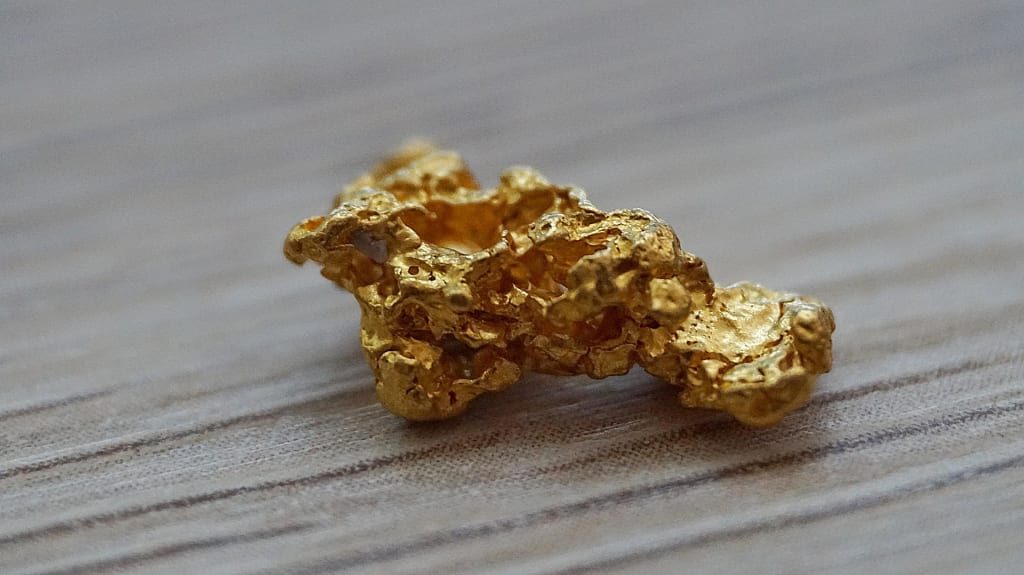
Gold: A Timeless Metal with Modern Value
Gold is one of the most recognized and valued metals in the world. Its bright, shiny appearance and resistance to tarnish make it highly desirable for both practical and decorative purposes. From jewelry and coins to electronics and medical tools, gold plays a key role in many areas of daily life.
One of gold’s standout features is its durability. It doesn’t rust or corrode easily, which makes it ideal for use in products that need to last a long time. It is also incredibly flexible—it can be stretched into thin wires or flattened into sheets without breaking. This makes it useful in manufacturing and design.
In technology, gold is prized for its ability to conduct electricity without degrading over time. It’s often used in high-quality electronic devices such as smartphones, computers, and even satellites. Because gold doesn’t react with most other elements, it helps keep electronic connections reliable and long-lasting.
Gold is also widely used in the financial world. It is considered a “safe” investment, especially during times when other forms of money or assets become unstable. People invest in gold in many ways, including buying physical gold like bars or coins, or investing in gold-backed financial products. Its value tends to hold steady or increase over time, which is why many people see it as a good way to protect their wealth.
Culturally, gold is a symbol of wealth, success, and celebration. It’s used in wedding rings, awards, and medals to mark important achievements. Its rich color and lasting shine make it a favorite material for meaningful objects.
In summary, gold is more than just a beautiful metal. It’s a useful, dependable material in modern technology, a trusted investment in the financial world, and a lasting symbol of value and honor.
ORIGIN OF GOLD NASA'S RESEARCH
The Cosmic Forge: Neutron Star Mergers
According to NASA and astrophysical research, gold is primarily formed in the violent collisions of neutron stars. Neutron stars are the remnants of massive stars that have exploded in supernovae. When two of these dense stars orbit each other closely, they can spiral inward and eventually collide in a cataclysmic event known as a kilonova.
These mergers release an immense amount of energy, creating conditions where heavy elements like gold, platinum, and uranium can form through rapid neutron capture processes. Observations of such events have confirmed the synthesis of these elements, with some collisions producing enough gold to equal several times the mass of Earth .
The Role of NASA and Observatories
NASA plays a crucial role in studying these cosmic phenomena. Through collaborations with observatories like LIGO (Laser Interferometer Gravitational-Wave Observatory) and Virgo, scientists can detect gravitational waves—ripples in spacetime caused by massive objects like merging neutron stars. These detections allow researchers to pinpoint the location of such events and study the resulting electromagnetic emissions, which carry the signatures of heavy elements formed during the merger .
From Space to Earth
Once formed in these stellar collisions, gold can be incorporated into the interstellar medium—the gas and dust between stars. Over time, this material can become part of new stars, planets, and asteroids. Some of this gold eventually finds its way to Earth through processes like asteroid impacts during the planet's early history
Gold's origins are deeply rooted in the cosmos, born from the explosive deaths of stars and the violent mergers of neutron stars. Thanks to the efforts of NASA and the global scientific community, we continue to unravel the mysteries of how elements like gold are formed and distributed across the universe.
About the Creator
Enjoyed the story? Support the Creator.
Subscribe for free to receive all their stories in your feed.
Comments
There are no comments for this story
Be the first to respond and start the conversation.