
What to Do in Case of Hydroplaning
Stay Safe in Wet Conditions: How to Recognize, React to, and Prevent Hydroplaning

Hydroplaning is one of those driving situations that catches many people off guard. One moment you're in control, and the next, it feels like your car is gliding uncontrollably across the road. It’s a scary experience, but the good news is—it’s manageable if you know what to do.
In this article, we’ll break down exactly what hydroplaning is, what causes it, and most importantly, how to react if it happens to you. If you’re looking to gain more confidence handling situations like these, enrolling in a guaranteed pass driving course in Manchester can give you the skills to stay calm and in control, no matter the weather.
1. What Is Hydroplaning?
Hydroplaning—also called aquaplaning—happens when a layer of water builds up between your tires and the road surface. Instead of gripping the tarmac, your tires ride on top of the water, making it hard to steer, brake, or accelerate. Even at speeds as low as 35 mph, hydroplaning can occur, especially if your tires are worn or you’re driving through standing water.
2. What Causes Hydroplaning?
Several factors increase your chances of hydroplaning:
- Speed: The faster you drive in wet conditions, the more difficult it is for your tires to channel water away.
- Worn Tires: Bald or under-inflated tires don’t grip the road well and are more likely to hydroplane.
- Standing Water: Deep puddles or poor road drainage raise the risk significantly.
- Light Vehicles: Lighter cars can lose traction more easily.
- Poor Road Conditions: Uneven surfaces or worn-out asphalt make water harder to disperse.
3. What to Do If You Start to Hydroplane
If your car begins to hydroplane, the key is to stay calm and avoid overreacting. Follow these steps:
- Stay Calm: Panic only makes things worse. Breathe and stay focused.
- Ease Off the Gas: Gently lift your foot off the accelerator. Don’t slam the brakes or try to speed out of it.
- Steer Straight: Keep the steering wheel steady. If you turn sharply or jerk the wheel, you risk spinning out.
- Avoid Hard Braking: Don’t slam on the brakes. If you need to brake, do it gently after your tires regain traction.
- Wait It Out: In most cases, hydroplaning only lasts a few seconds. Keep calm and wait until you feel your tires reconnect with the road.
4. How to Prevent Hydroplaning
While you can’t control the weather, you can reduce the chances of hydroplaning by following these simple safety tips:
- Slow Down in the Rain: Drive below the speed limit in wet weather.
- Check Your Tyres: Make sure your tire tread is adequate and your tires are properly inflated.
- Avoid Puddles: Steer clear of visible standing water when possible.
- Don’t Use Cruise Control: It can delay your reaction time if you suddenly lose traction.
- Keep a Safe Distance: Wet roads increase stopping distance—leave extra space between you and the vehicle ahead.
- Use Safety Features: If your car has ABS or traction control, make sure they’re activated.
5. After Hydroplaning: What to Do Next
Once your car has regained traction, it’s important to:
- Check Your Surroundings: Be aware of nearby traffic and stay alert—conditions are still dangerous.
- Keep Driving Cautiously: Roads may still be slippery ahead.
- Pull Over if Needed: If you feel rattled or nervous, find a safe spot to pull over and regroup.
Get Trained for Real-World Situations
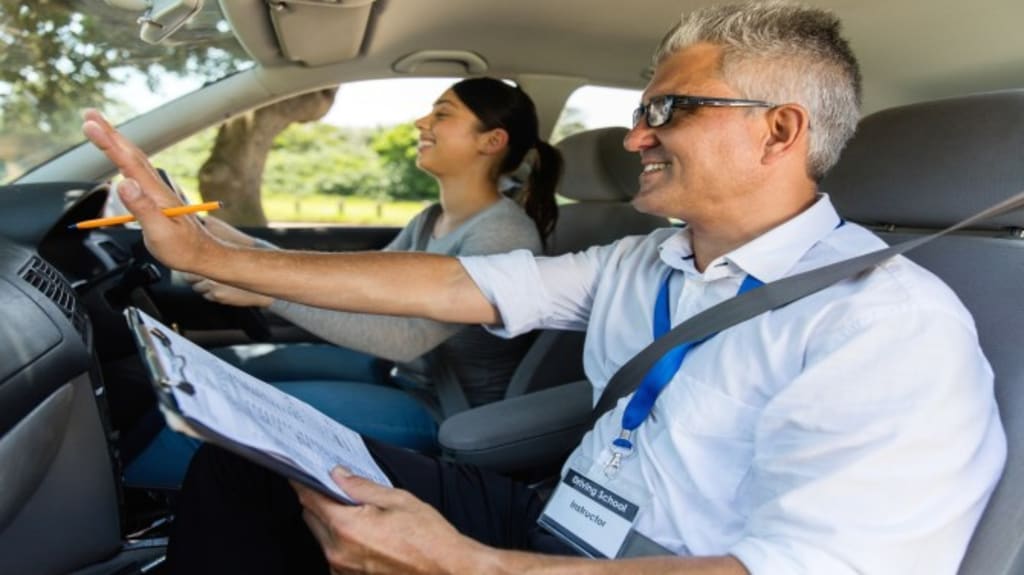
If you want to be fully prepared for situations like hydroplaning, a guaranteed pass driving course in Manchester can make all the difference. These courses cover essential safety topics, including how to handle bad weather, emergency braking, and loss of traction. You'll get:
- Hands-on experience in different conditions
- Vehicle control training
- Tips on staying calm under pressure
- Expert feedback from qualified instructors
Conclusion
Hydroplaning can happen to anyone, but knowing how to react can mean the difference between a close call and a collision. Stay calm, steer gently, and reduce your speed in wet weather. And if you want to become a more confident, prepared driver, consider enrolling in a guaranteed pass driving course with Impulse Driving School in Manchester. Our professional instructors will teach you how to stay safe in all conditions—rain or shine.
Want to drive with confidence—rain or shine?
Join Driving Schools Manchester with Impulse Driving School and learn how to handle anything the road throws at you.
About the Creator
Robert Anderson
Robert Anderson is a professional driving instructor at Impulse Driving School, specialising in safe driving techniques and skill development.
Enjoyed the story? Support the Creator.
Subscribe for free to receive all their stories in your feed.
Comments