
What Should Homeowners Know About Flat Roof Repair on Long Island?
Flat Roof Repair on Long Island

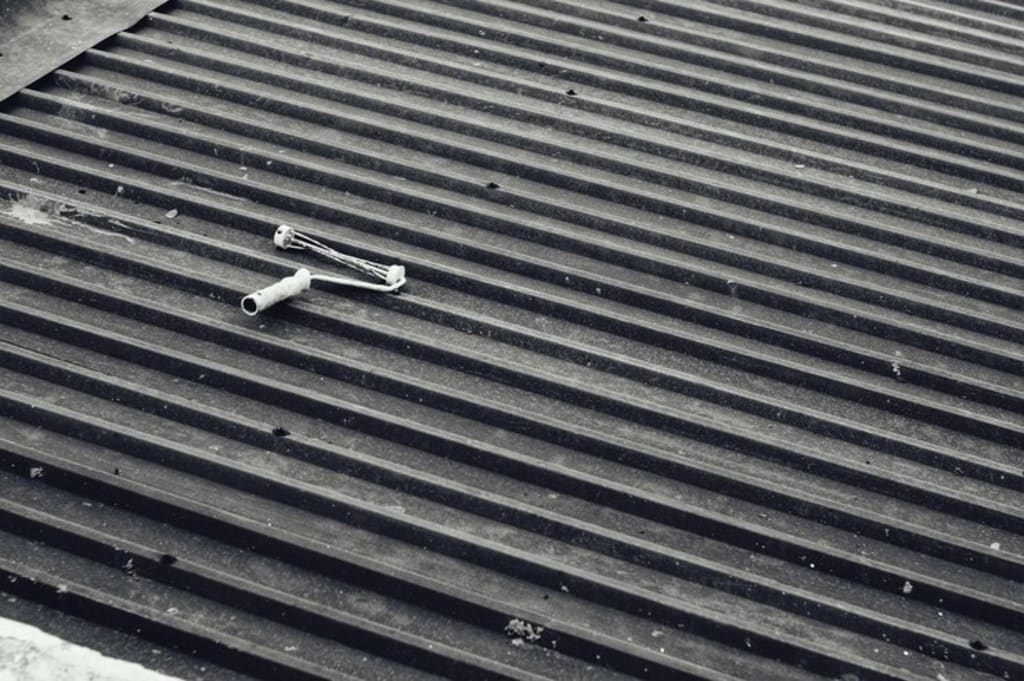
Flat roof repair on Long Island is a critical concern for homeowners due to the region’s unique climate and architectural demands. Flat roofs, common in commercial buildings and modern residential designs, require specialized care to maintain their integrity. Unlike sloped roofs, flat roofs face challenges like water pooling, UV exposure, and seasonal weather extremes, which can lead to leaks, cracks, or structural damage. For Long Island homeowners, understanding the repair process, costs, and maintenance strategies is essential to protect their investment and avoid costly replacements. Contact us at (631) 381 4133
Understanding Flat Roof Repair on Long Island
Flat roofs are prevalent in Long Island’s commercial and modern residential properties because they offer a sleek aesthetic and functional space for HVAC units or rooftop gardens. Their design maximizes usable square footage, making them ideal for urban settings or homes with contemporary architecture.
However, flat roofs lack the natural drainage of sloped roofs, which makes them prone to water accumulation, especially during Long Island’s heavy rains or snowy winters. This vulnerability underscores the need for regular maintenance and timely flat roof repair on Long Island to prevent minor issues from escalating.
Key Challenges for Flat Roofs in Long Island’s Climate
Long Island’s weather, characterized by humid summers, cold winters, and frequent storms, poses significant challenges for flat roofs. Prolonged exposure to UV rays can degrade roofing materials, while snow and ice can cause cracks or membrane punctures. Additionally, strong coastal winds may loosen roofing components, leading to leaks. Homeowners must prioritize flat roof repair on Long Island to address these issues promptly and ensure their roofs remain watertight and durable.
Common Flat Roof Issues and Their Solutions
One of the most frequent issues with flat roofs is water pooling, which occurs when drainage systems clog or the roof lacks sufficient slope. Standing water can weaken the roof membrane, leading to leaks or structural damage. To address this, professional flat roof repair on Long Island often involves clearing debris from drains, installing additional drainage systems, or applying a tapered insulation system to improve water flow. Regular inspections can catch these issues early, preventing costly repairs.
Identifying Signs of Water Damage
Homeowners should look for signs of water damage, such as interior stains, mold growth, or bubbling on the roof surface. These indicate that water is penetrating the roofing membrane. A professional contractor can assess the damage and recommend solutions like patching leaks or replacing damaged sections. For Long Island homes, addressing water damage quickly is crucial to avoid compromising the roof’s structural integrity.
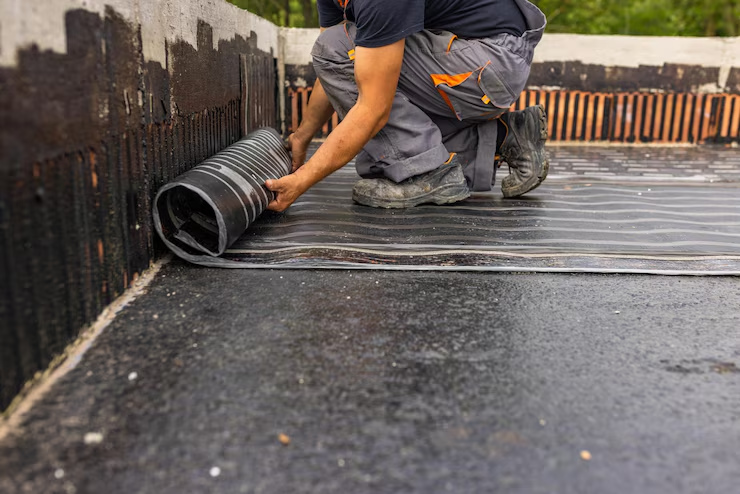
Membrane Damage and Material Wear
Flat roofs typically use materials like EPDM, TPO, or modified bitumen, which are durable but not immune to wear. Over time, these materials can crack, blister, or shrink due to UV exposure or temperature fluctuations. Flat roof repair on Long Island often involves patching small tears or applying a new membrane layer to restore the roof’s waterproofing. In severe cases, a full membrane replacement may be necessary to ensure long-term protection.
Choosing the Right Repair Materials
Selecting high-quality materials is critical for effective flat roof repair on Long Island. For instance, TPO membranes are energy-efficient and resist UV damage, while EPDM is known for its durability and flexibility in cold climates. A professional roofer can recommend the best material based on the roof’s condition, budget, and Long Island’s weather demands. Using substandard materials can lead to recurring issues and higher costs over time.
The Flat Roof Repair Process
The first step in flat roof repair on Long Island is a thorough inspection by a licensed contractor. They will assess the roof for leaks, membrane damage, or drainage issues, often using tools like infrared scanners to detect hidden moisture. This detailed evaluation helps identify the root cause of problems and ensures repairs are targeted and effective. Homeowners should avoid DIY inspections, as they may miss critical issues that professionals can spot.
Repair Techniques and Best Practices
Once the damage is assessed, contractors employ various techniques for flat roof repair on Long Island. For minor issues, patching with compatible materials can seal leaks or cracks. For larger problems, such as widespread membrane damage, a partial or full roof overlay may be required. Proper flashing around roof penetrations, like vents or skylights, is also essential to prevent water intrusion.
Experienced roofers follow industry standards to ensure repairs are durable and compliant with local building codes.
Importance of Professional Expertise
Hiring a qualified roofing contractor is crucial for successful flat roof repair on Long Island. Professionals understand the nuances of flat roof systems and are familiar with the region’s climate challenges. They also carry insurance and warranties, providing peace of mind that the repair will last. Homeowners should verify credentials, check reviews, and request references before hiring a contractor to ensure quality workmanship.
Budgeting for Long-Term Maintenance
Investing in regular maintenance can reduce the need for frequent flat roof repair on Long Island. Routine tasks like clearing debris, inspecting drains, and checking for membrane wear can extend the roof’s lifespan. Homeowners should budget for annual inspections and minor repairs to avoid major expenses down the line. Some contractors offer maintenance plans that include regular checkups, which can be a cost-effective way to protect the roof. Preventive Maintenance Tips for Flat Roofs
To minimize the need for flat roof repair on Long Island, homeowners should schedule professional inspections at least twice a year, ideally in spring and fall. Clearing debris, such as leaves or branches, from the roof and drains prevents water buildup and membrane damage. Homeowners can also check for visible signs of wear, like cracks or blisters, and report them to a contractor promptly.
Seasonal Preparations for Long Island Weather
Preparing a flat roof for Long Island’s harsh winters and stormy summers is essential. Before winter, ensure drains are clear and the membrane is intact to handle snow and ice. In summer, apply UV-resistant coatings to protect the roof from sun exposure. These proactive steps can reduce the frequency and severity of flat roof repair on Long Island, saving homeowners time and money.
Final Thoughts
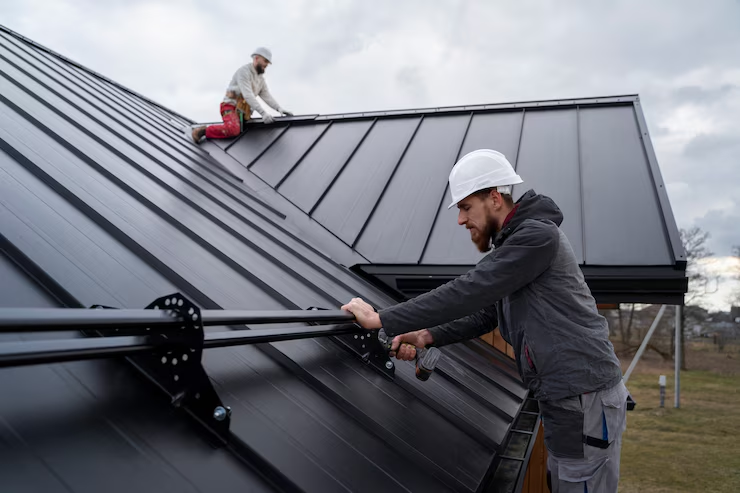
Flat roof repair on Long Island is a vital aspect of home maintenance, given the region’s challenging climate and the unique demands of flat roofing systems. By understanding common issues like water pooling and membrane damage, homeowners can take proactive steps to protect their roofs. Hiring experienced contractors, choosing high-quality materials, and investing in regular maintenance are key to ensuring a flat roof’s longevity. With proper care, a flat roof can provide reliable protection for years, safeguarding your home from leaks and structural damage.
FAQs
What causes leaks in flat roofs on Long Island?
Leaks in flat roofs often result from water pooling, membrane damage, or poor drainage. Long Island’s heavy rains and snow exacerbate these issues, causing water to penetrate cracks or seams. Regular inspections and timely flat roof repair on Long Island can prevent leaks from worsening.
How often should I inspect my flat roof?
Homeowners should inspect their flat roofs at least twice a year, ideally in spring and fall. Professional inspections are recommended to catch hidden issues. Regular cleaning and maintenance can reduce the need for extensive flat roof repair on Long Island.
Can I repair a flat roof myself?
DIY flat roof repair is not recommended due to the complexity of flat roof systems. Professional contractors have the expertise and tools to ensure repairs are effective and long-lasting. For flat roof repair on Long Island, always hire a licensed professional.
What is the lifespan of a flat roof?
With proper maintenance, flat roofs can last 15–30 years, depending on the material. Regular inspections and timely flat roof repair on Long Island can extend the roof’s lifespan, while neglecting issues can lead to premature replacement.
How do I choose a roofing contractor on Long Island?
Look for licensed, insured contractors with experience in flat roof repair on Long Island. Check online reviews, request references, and compare quotes. Ensure they use high-quality materials and offer warranties for their work.
About the Creator
Enjoyed the story? Support the Creator.
Subscribe for free to receive all their stories in your feed.
Comments
There are no comments for this story
Be the first to respond and start the conversation.