
What is Zero Trust Network Access, and How Do You Implement It?
Here is the brief explanation about the topic.
Introduction
In today's digital landscape, traditional perimeter-based security models are no longer sufficient to protect organizations from sophisticated cyber threats. With the rise of cloud computing, remote work, and mobile devices, enterprises need a more robust security approach. This is where Zero Trust Network Access (ZTNA) comes into play.
ZTNA is a modern security framework that ensures secure access to applications and resources by eliminating the assumption of trust. Unlike traditional security models that rely on network-based security perimeters, ZTNA enforces strict access controls based on identity, device health, and contextual factors.
This article explores the concept of ZTNA, its benefits, and how organizations can successfully implement it.
Understanding Zero Trust Network Access (ZTNA)
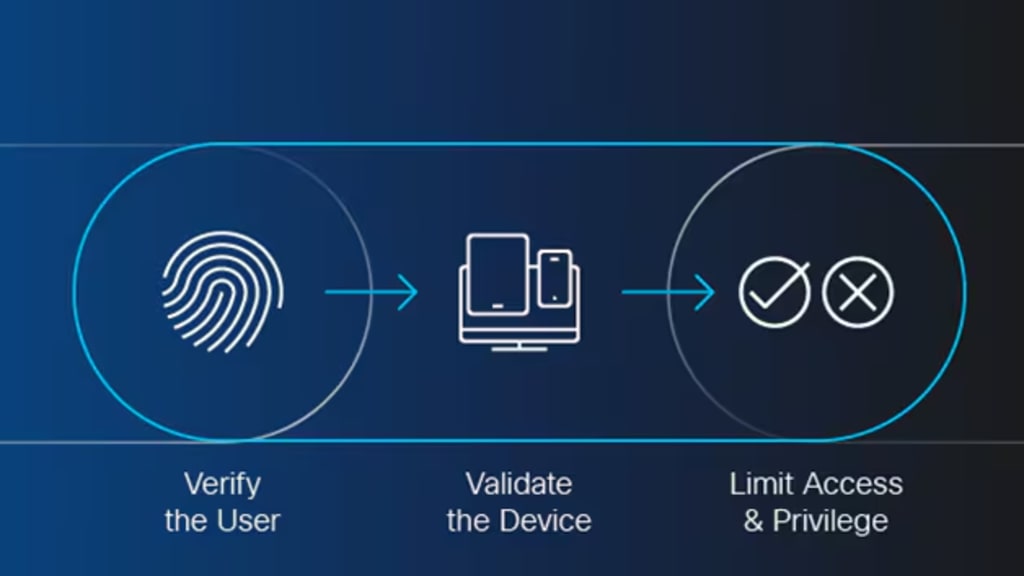
Zero Trust Network Access is a security model based on the principle "never trust, always verify." It assumes that threats exist both inside and outside the network and that access should be granted only after thorough verification.
ZTNA solutions use identity and access management (IAM), multi-factor authentication (MFA), and continuous monitoring to enforce granular security policies. Instead of providing broad access to a network, ZTNA allows users to connect only to specific applications and resources they are authorized for.
Key Principles of ZTNA:
Least Privilege Access – Users and devices receive only the necessary permissions to perform their tasks.
Micro-Segmentation – Network segmentation is applied at the application level to reduce attack surfaces.
Identity and Device Verification – Access is based on user identity, device health, location, and behavior.
Continuous Monitoring – Security policies are dynamically adjusted based on real-time risk assessments.
Secure Access from Anywhere – ZTNA ensures secure remote access without relying on traditional VPNs.
Benefits of Zero Trust Network Access
Implementing ZTNA brings several advantages to businesses, including:
1. Enhanced Security
By enforcing strict access controls and continuously verifying user identities, ZTNA minimizes unauthorized access and reduces the risk of cyberattacks.
2. Reduced Attack Surface
ZTNA prevents lateral movement within the network, ensuring that even if a threat actor gains access, they cannot freely navigate the infrastructure.
3. Improved Remote Work Security
Traditional VPNs often expose the entire network to remote users. ZTNA, on the other hand, provides controlled access to specific applications, reducing security risks.
4. Better User Experience
With ZTNA, users can securely access applications from any location without dealing with the latency and complexity of traditional VPNs.
5. Compliance and Regulatory Alignment
Many industries have stringent security and compliance requirements. ZTNA helps organizations meet these standards by enforcing strict access policies and continuous monitoring.
How to Implement Zero Trust Network Access
Implementing ZTNA requires a structured approach to ensure security and efficiency. Here’s a step-by-step guide to deploying ZTNA in your organization:
Step 1: Identify and Classify Resources
Begin by mapping out all critical applications, systems, and data. Categorize these assets based on their sensitivity and importance to your business operations.
Step 2: Implement Strong Identity and Access Management (IAM)
Adopt identity-based security controls, including:
Multi-Factor Authentication (MFA)
Single Sign-On (SSO)
Role-Based Access Control (RBAC)
These measures ensure that users can access only what they are authorized to use.
Step 3: Apply Least Privilege Access Controls
Grant users the minimum level of access required for their roles. Use just-in-time access models to provide temporary permissions when needed.
Step 4: Leverage Micro-Segmentation
Implement network segmentation at the application level to prevent lateral movement. This ensures that even if an attacker gains access, they cannot move freely within the network.
Step 5: Use Context-Aware Access Controls
ZTNA solutions should evaluate contextual factors before granting access, such as:
User identity
Device security posture
Geolocation
Time of access
Behavioral patterns
Step 6: Implement Continuous Monitoring and Threat Detection
Adopt real-time monitoring tools that analyze user behavior, detect anomalies, and enforce security policies dynamically. Security Information and Event Management (SIEM) solutions can help with this.
Step 7: Secure Remote Access Without VPNs
Instead of relying on traditional VPNs, use Software-Defined Perimeter (SDP) technologies to ensure secure remote access to applications without exposing the network.
Step 8: Integrate Endpoint Security
Ensure that only secure and compliant devices can access your resources. Implement endpoint security solutions like:
Endpoint Detection and Response (EDR)
Mobile Device Management (MDM)
Zero Trust Network Access solutions that enforce device posture checks
Step 9: Educate and Train Employees
Human error remains a major cybersecurity risk. Conduct regular training sessions to educate employees about ZTNA principles, security best practices, and how to recognize threats.
Step 10: Regularly Review and Update Security Policies
Cyber threats evolve continuously, so it’s important to review and update your ZTNA security policies regularly to adapt to new risks and compliance requirements.
Choosing the Right ZTNA Solution
When selecting a ZTNA solution, consider the following factors:
Compatibility with existing infrastructure – Ensure seamless integration with your cloud and on-premise applications.
Scalability – Choose a solution that can support your organization's growth.
User Experience – The solution should provide a seamless and frictionless experience for employees and partners.
Threat Detection and Analytics – Look for solutions with AI-driven analytics for proactive threat detection.
Compliance Support – Ensure the ZTNA solution aligns with regulatory requirements such as GDPR, HIPAA, and NIST.
Conclusion
Zero Trust Network Access (ZTNA) is a critical cybersecurity approach that eliminates implicit trust and enforces rigorous authentication, least privilege access, and continuous monitoring. Implementing ZTNA requires a well-structured strategy that includes identity management, micro-segmentation, endpoint security, and real-time threat detection
By adopting ZTNA, organizations can significantly enhance security, minimize attack surfaces, and provide secure remote access without relying on traditional VPNs. As cyber threats continue to evolve, embracing Zero Trust principles is no longer an option—it’s a necessity for modern enterprises.
About the Creator
Enjoyed the story? Support the Creator.
Subscribe for free to receive all their stories in your feed.
Comments
There are no comments for this story
Be the first to respond and start the conversation.