
What is Vastu Shastra? How You Can Use It in Daily Life
Discover how the ancient Indian wisdom of Vastu shastra can solve your day-to-day problems

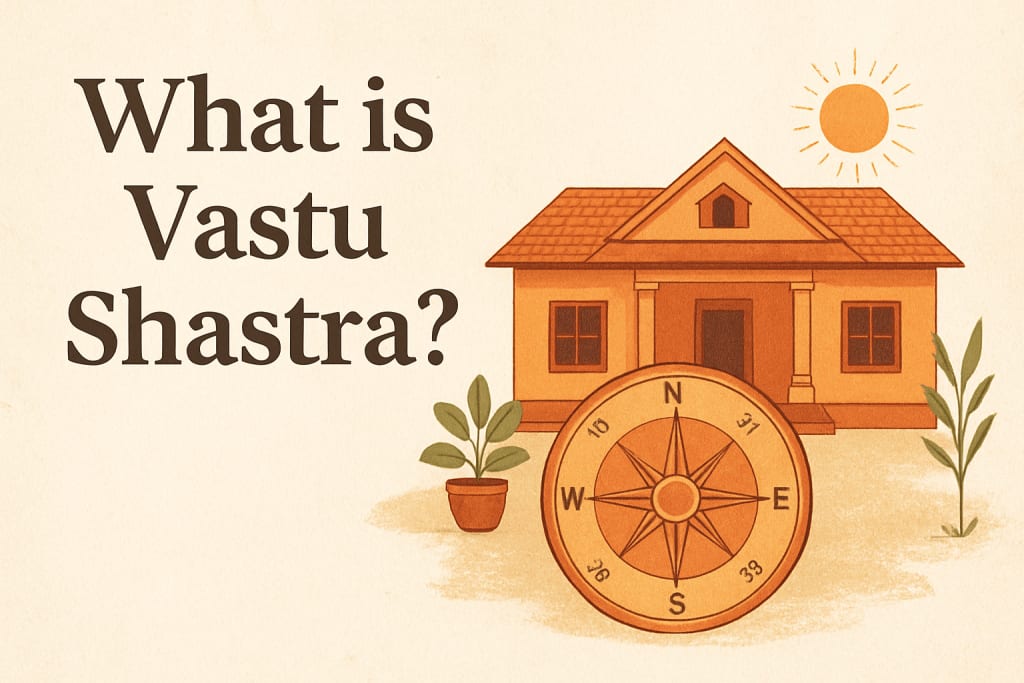
When you walk into a home that feels warm, inviting, and peaceful, it isn’t always because of expensive décor or carefully chosen furniture. Sometimes, the arrangement, direction, and energy flow of a space play a deeper role in how it makes you feel. This is exactly what Vastu Shastra—an ancient Indian architectural science—aims to explain.
In today’s world, where wellness trends often come and go, Vastu Shastra continues to remain relevant because of its timeless connection between people, their environment, and natural energy. Let’s explore what Vastu Shastra is and how you can incorporate it into your daily life without overwhelming changes.
What is Vastu Shastra?
The term Vastu means “dwelling” and Shastra means “science” or “knowledge.” Together, Vastu Shastra translates to the “science of architecture and spatial arrangement.”
Rooted in Vedic traditions, it focuses on designing and organizing spaces in harmony with the five elements of nature—earth, water, fire, air, and space. According to Vastu principles, when these elements are in balance, they create a flow of positive energy that influences health, prosperity, and happiness.
In simple terms, Vastu is not just about where you place your furniture. It’s about aligning your living or working environment with natural forces so that your space supports your physical, mental, and spiritual well-being.
Why is Vastu Shastra Important?
Think of Vastu as a guide to improving the energy in your surroundings. Just like poor lighting can make you feel tired, or clutter can increase stress, misaligned spaces can create a sense of imbalance. Vastu attempts to solve this by:
- Promoting harmony between humans and nature.
- Guiding construction and interior layouts for maximum flow of energy.
- Enhancing opportunities for growth, peace, and success.
- Reducing stress and creating a feeling of order in life.
Even if you don’t strictly follow Vastu rules, being mindful of the placement of objects and the openness of your environment can significantly improve your daily experience.
Practical Ways to Use Vastu Shastra in Daily Life
The beauty of Vastu Shastra is that you don’t need to renovate your entire home to benefit from it. Small changes and mindful placements can make a big difference. Here are some practical ways to bring Vastu into your daily life:
1. Declutter Regularly
A clutter-free space is one of the simplest and most effective Vastu practices. Unnecessary items block the natural flow of energy. Start by removing broken objects, unused electronics, or clothes you no longer wear.
2. Main Entrance Matters
The main entrance is considered the “mouth of energy.” According to Vastu, it should be clean, well-lit, and welcoming. Avoid keeping shoes or garbage bins near the front door. Adding a small plant or nameplate can also enhance positivity.
3. Bedroom Placement
Position your bed so that your head points south or east while sleeping. This is believed to promote restful sleep and good health.
Keep mirrors away from reflecting the bed, as they are said to disturb peace.
4. Kitchen Harmony
The kitchen represents the fire element. Ideally, it should be in the southeast corner of the house. If that’s not possible, you can still ensure balance by:
Keeping the cooking stove away from the sink (fire and water clash).
Using warm colors like yellow, red, or orange for the kitchen space.
5. Work and Study Corners
For focus and productivity:
Face east or north while working or studying.
Keep the space tidy and clutter-free.
Add plants like bamboo or money plants for fresh energy.
6. Use of Colors
Colors play a big role in Vastu. Light shades like cream, white, or pastels are believed to bring peace. Bright colors like yellow or orange can energize, while blue tones create calmness.
7. Balance the Five Elements
Earth: Use natural materials like clay pots, plants, or wooden furniture.
Water: Keep a small water bowl with floating flowers or a fish tank in the northeast.
Fire: Use lamps, candles, or even natural sunlight to energize your space.
Air: Keep windows open for ventilation or place indoor plants for fresh air.
Space: Avoid overcrowding rooms; open areas bring in clarity and balance.
Vastu in Modern Life
You don’t need to be deeply spiritual to embrace Vastu Shastra. It can be as simple as rearranging furniture for better light, keeping your entryway clean, or adding plants to balance energy. Many people today combine Vastu with modern interior design principles for homes that are both aesthetically pleasing and energetically balanced.
For example, urban apartments may not always follow traditional Vastu layouts due to space limitations. In such cases, small symbolic changes—like placing mirrors to reflect light, keeping salt bowls to absorb negativity, or using specific colors—can still help.
Final Thoughts
Vastu Shastra isn’t about superstition or rigid rules—it’s about creating harmony between yourself and your environment. By aligning with natural elements and being mindful of your surroundings, you can bring balance, positivity, and peace into your daily life.
Whether you live in a studio apartment or a large family home, the essence of Vastu remains the same: a space that nurtures and supports your well-being.
If you’re looking to bring more calm, focus, and prosperity into your life, try incorporating a few Vastu tips today—you might just notice the difference in how your space feels and how you feel within it. If you want to learn vastu shastra, check out our vastu shastra course today.
About the Creator
Academy Of Vedic Vidya
Explore the Academy Of Vedic Vidya : a premier online institution dedicated to the ancient wisdom of Astrology Course, Vastu Shastra Course, Numerology Course, Tarot Card Reading Course, Graphology Course, Palmistry Course and many more.
Enjoyed the story? Support the Creator.
Subscribe for free to receive all their stories in your feed.
Comments
There are no comments for this story
Be the first to respond and start the conversation.