
What Is Unpaid Search Traffic
A Beginner’s Guide

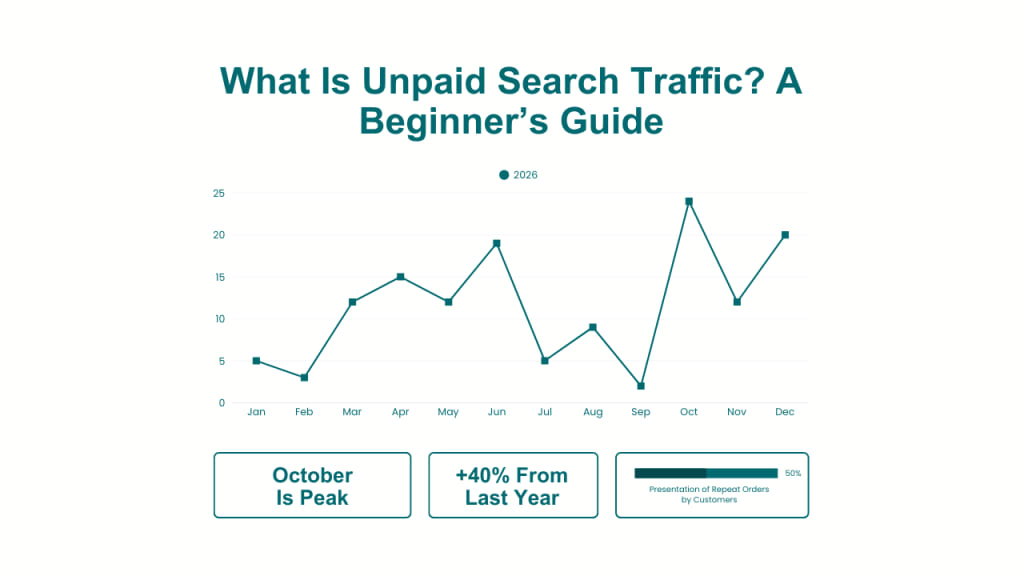
In the world of digital marketing, traffic is everything. Every business, blog, or online store relies on website traffic to grow, convert leads, and make sales. While many businesses spend heavily on ads to drive visitors, there’s a powerful and sustainable alternative: unpaid search traffic.
If you’ve heard the term but aren't sure exactly what it means or how to get it, this guide will break it down for you.
What Is Unpaid Search Traffic?
Unpaid search traffic, or organic search traffic, is the visitors who come to your site after a Google, Bing, or other search engine search—without paying for ads.
These visitors click through to your site because your content has been found naturally in the search results, usually as a result of Search Engine Optimization (SEO).
Example:
If a person types in "best budget smartphones" and your blog appears on the first page of Google—beyond being a paid advertisement—and they click through, that's unpaid search traffic.
How is it different from paid search traffic?
To make unpaid traffic easier to understand, it's helpful to contrast it with paid traffic:
Aspect
- Cost
- Visibility
- Longevity
- Trustworthiness
- Time to Results
Unpaid (Organic) Traffic
- Free
- Earned through SEO
- Long-term results
- Often viewed as more credible
- Slower (takes time to rank)
Paid Traffic
- You pay per click (PPC) or impression
- Bought through ads
- Ends when budget runs out
- May be perceived as promotional
- Instant visibility
Why Is Unpaid Search Traffic Important?
- Cost-Effective
After ranking for related keywords, you receive regular traffic free of charge. This makes it ideal for small companies or startups with low marketing budgets.
- Sustainable Growth
An optimally written blog post can drive traffic for years—even months. It's an investment that lasts, as opposed to paid ads, which dwindle as soon as you halt payments.
- Establishes Authority
Being in the top search results puts your brand on the map as a niche authority. Individuals are more likely to trust organic over sponsored listings.
- Improved ROI
Organic traffic tends to yield higher conversion rates, as it is from users that are actively looking for information or solutions you provide.
How to Achieve Unpaid Search Traffic
Organic traffic doesn't arrive overnight. It needs strategy, consistency, and SEO. Here's how:
1. Keyword Research
Identify low-competition, high-volume keywords your target audience is searching for. Utilize free tools such as:
- Google Keyword Planner
- Ubersuggest
- AnswerThePublic
Target long-tail keywords like "best email marketing tools for freelancers" rather than merely "email marketing."
2. Produce High-Quality Content
Content fuels unpaid traffic. Produce:
- Blog posts
- How-to guides
- Tutorials
- Case studies
Ensure your content is useful, interesting, and responds to the user's intent.
3. On-Page SEO
Optimize every page or blog post for search engine optimization. This involves:
- Correct use of H1, H2 tags
- Use of keywords in a natural way
- Insertion of meta titles and descriptions
- Optimization of images with alt text
4. Internal Linking
Link to other related pages within your website. This enhances SEO and keeps users longer on your site.
5. Mobile-Friendly Design
Google prefers responsive websites. Ensure your website is visually appealing and functional across all devices.
6. Fast Load Speed
A slow site can damage your search rankings. Utilize tools such as PageSpeed Insights to enhance load time.
7. Backlink Building
Get backlinks from other quality websites. Guest blogging, collaborations, and shareable content (such as infographics or statistics) can assist you in getting these.
Common Myths About Unpaid Traffic
Myth 1: You must post every day in order to rank.
Truth: Quality trumps quantity. A single, optimally-structured post can be more trafficked than 10 subpar posts.
Myth 2: SEO is dead.
Truth: SEO is transforming, not ceasing to exist. Google continually updates its algorithms, but the intent behind searching still drives traffic.
Myth 3: Only large sites can rank.
Truth: By using intelligent keyword research and specific content, small blogs can reach the first page.
Final Thoughts
Unpaid search traffic is among the strongest, most sustainable, and cheapest sources of website traffic. Although it takes time and effort initially, the long-term rewards are well worth it.
By concentrating on SEO best practices, creating useful content, and regularly optimizing your site, you can establish a solid stream of organic visitors that builds your online business without spending a single penny on advertisements.
Begin investing in free search traffic today—your future self (and wallet) will appreciate it. Hire a consultant from link orbits for well planned organic growth hacking strategy.
About the Creator
Link Orbits
Link Orbits is a dynamic new platform connecting clients with verified advertisers and publishers, each bringing specialized expertise.
Visit Website For More Details: https://linkorbits.com/
Enjoyed the story? Support the Creator.
Subscribe for free to receive all their stories in your feed.
Comments
There are no comments for this story
Be the first to respond and start the conversation.