
What is the Role of BIM and its Techniques used for Construction?
BIM is Changing Construction Industry

In today's rapidly advancing world, the construction industry stands on the threshold of a technological revolution that has redefined the very essence of building. At the forefront of this transformation lies Building Information Modeling (BIM), a revolutionary technology that has seamlessly woven itself into the fabric of modern construction. BIM's role in reshaping the evolution of building processes is nothing short of remarkable, a symphony of digital ingenuity harmonizing with brick-and-mortar realities.
Building Information Modeling (BIM) stands as a pivotal force in the ongoing evolution of buildings across various regions in the USA, including states like BIM Services in Texas, Florida and Washington. As technology continues to reshape the landscape of architecture and construction, BIM emerges as a transformative tool that redefines the way buildings are conceptualized, designed, and realized.
What is the Evolution of BIM?
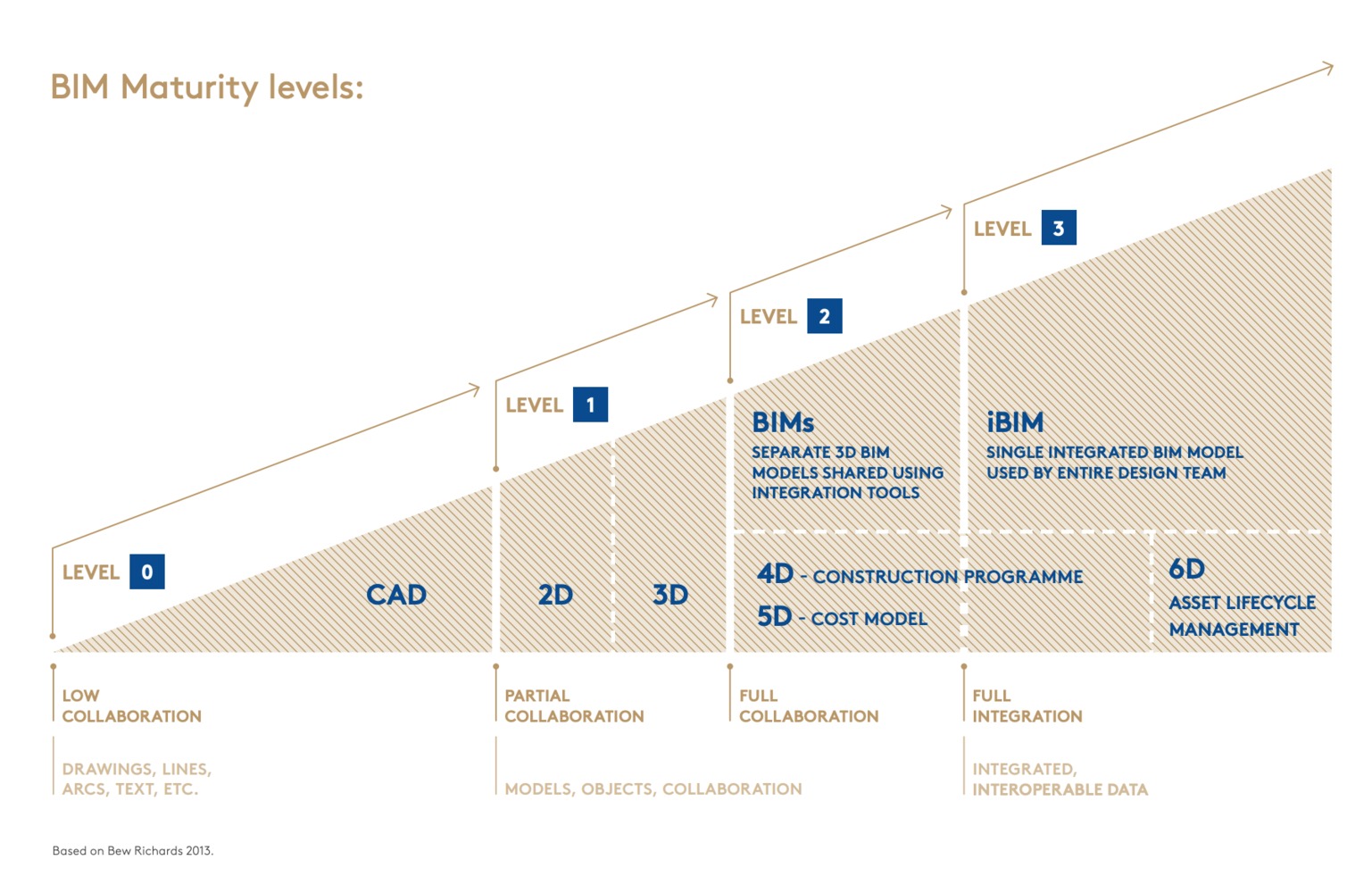
Building Information Modeling (BIM) has transcended its origins as a simple drafting tool, propelling itself into the heart of modern construction practices. It is not merely a software but a transformative approach that encapsulates the entire lifecycle of a building project. The Role of BIM in Construction is an unfolding narrative of how technology, collaboration, and innovation have redefined the way we design, construct, and manage structures.
What are the Stages of BIM Evolution?
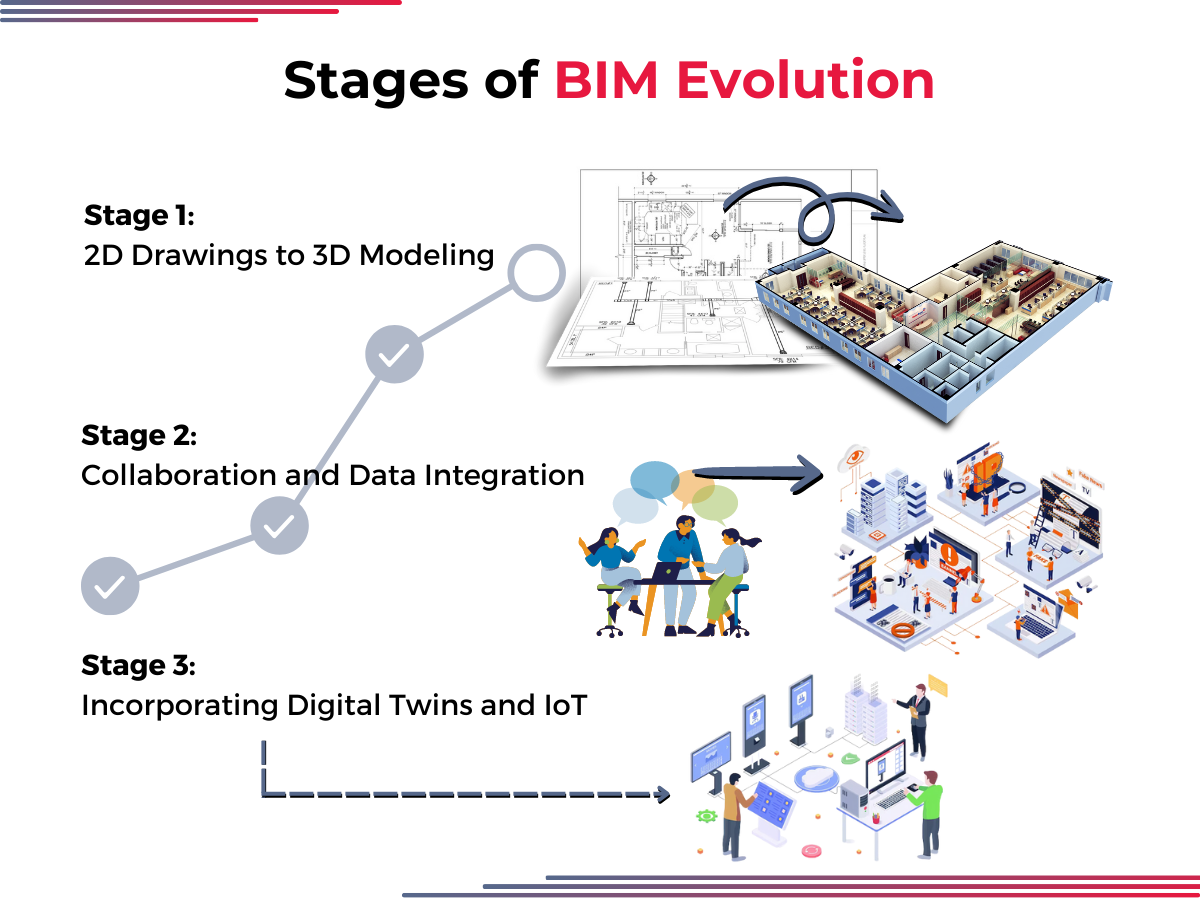
Stage 1: 2D Drawings to 3D Modeling
The initial phase of BIM evolution saw a departure from traditional two-dimensional (2D) drawings towards three-dimensional (3D) modeling. This shift was monumental, as it introduced the concept of visualizing a building as a holistic entity rather than a collection of separate components. Architects and engineers could now create comprehensive digital representations that mirrored the physical world with unprecedented accuracy. The transition from flat plans to dynamic 3D models laid the foundation for the more intricate stages of BIM's journey.
Stage 2: Collaboration and Data Integration
BIM's evolution took a significant leap with the emphasis on collaboration and data integration. The second stage saw the integration of various disciplines and stakeholders onto a common digital platform. Architects, engineers, contractors, and other professionals began sharing information in real-time, breaking down silos that had historically hindered seamless coordination. This stage marked the realization that BIM impact on the construction industry was not just about geometric models, but a collaborative process that enriched project outcomes by fostering open communication and knowledge exchange.
Stage 3: Incorporating Digital Twins and IoT
As the evolution continued, BIM transcended its role as a design and coordination tool to embrace the concept of digital twins and the Internet of Things (IoT). A digital twin is a virtual replica of a physical building, equipped with real-time data to monitor its performance, condition, and maintenance needs. The incorporation of IoT devices within construction sites further enhanced data collection and analysis. This convergence of digital twins and IoT marked a pivotal shift towards predictive maintenance, optimizing energy efficiency, and creating a dynamic feedback loop between the physical and digital realms.
Emerging technologies such as Artificial Intelligence (AI), Augmented Reality (AR), and advanced data analytics are poised to revolutionize BIM once again. These technologies will enable more accurate design predictions, smarter decision-making, and real-time project monitoring. The vision of the future BIM landscape includes seamless integration across all stages of construction, from design and planning to construction and facility management. The fully integrated, intelligent construction ecosystem that BIM envisions will not only enhance efficiency but also foster sustainability and innovation.
What are the Latest BIM Techniques Used for Construction?
In the dynamic landscape of modern construction, the Evolution of Building Information Modeling (BIM) stands as a testament to the transformative power of technology. BIM, once confined to digitizing blueprints, has evolved into an ecosystem of advanced tools and techniques that shape the future of architecture, engineering, and construction. This article delves into the technologies that are propelling the evolution of BIM and improving construction processes, redefining how buildings are conceived, designed, and realized.
1. Digital Twin Technology
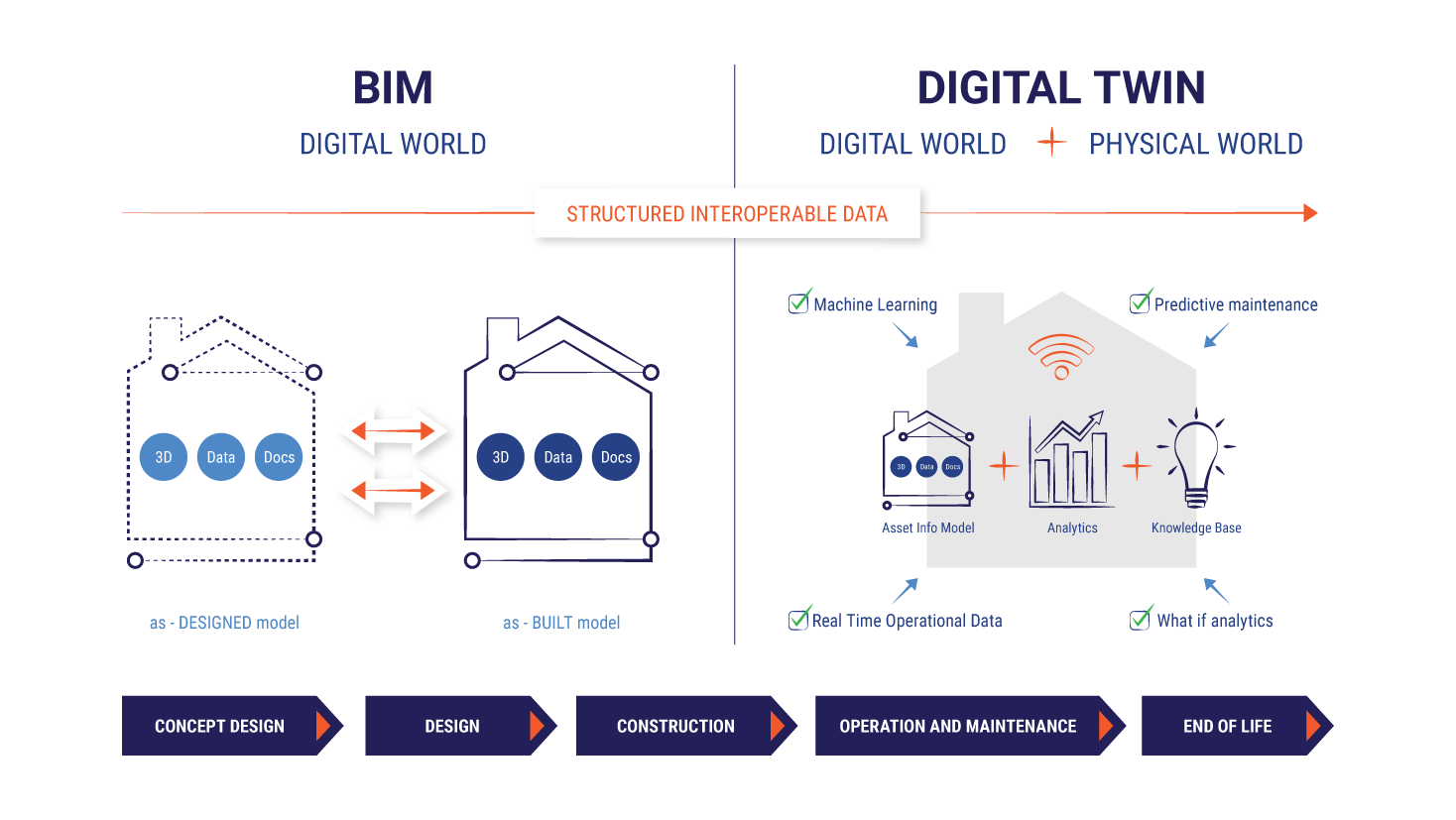
BIM is the changing construction industry with the concept of digital twins. A digital twin is a virtual representation of a physical object or system, embodying its attributes and behaviors. In the context of BIM, digital twin modeling for construction manifests as highly detailed, three-dimensional models that emulate real-world structures. These models provide an immersive experience for architects, engineers, and stakeholders, fostering a deeper understanding of design elements and spatial relationships.
2. Reality Capture Techniques
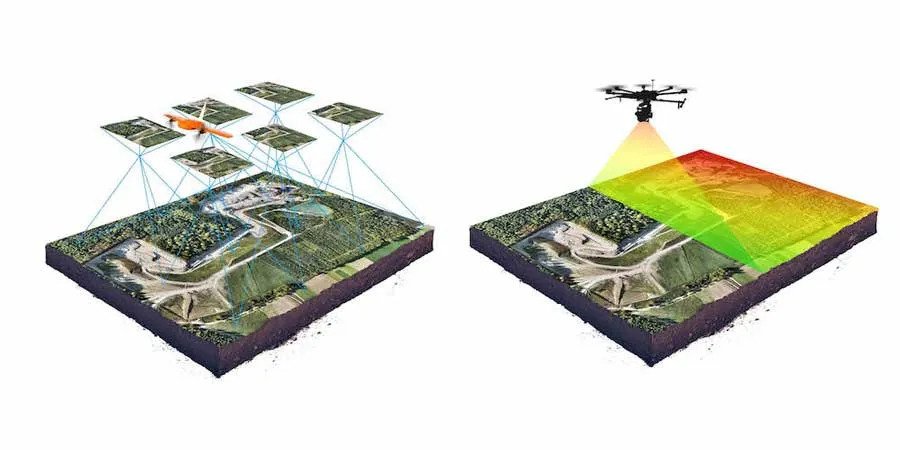
The evolution of BIM owes much to reality capture techniques like laser scanning and photogrammetry. These methods involve capturing the existing physical conditions of a site or structure and converting them into accurate digital data. This data is then integrated into BIM models, creating as-built representations that serve as the foundation for design modifications, clash detection, and progress tracking.
3. Augmented Reality (AR) Integration
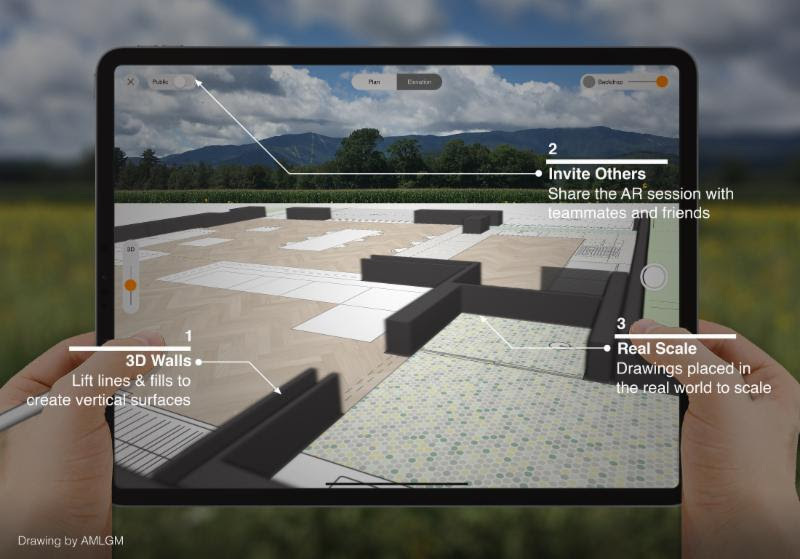
Augmented Reality (AR) has emerged as a transformative tool in BIM's evolution. By overlaying digital BIM models onto the physical world, AR enables stakeholders to visualize designs in real time, within their actual environments. This integration enhances on-site decision-making and collaboration, allowing architects and contractors to identify potential issues and adjustments without relying solely on traditional blueprints.
4. Generative Design Algorithms
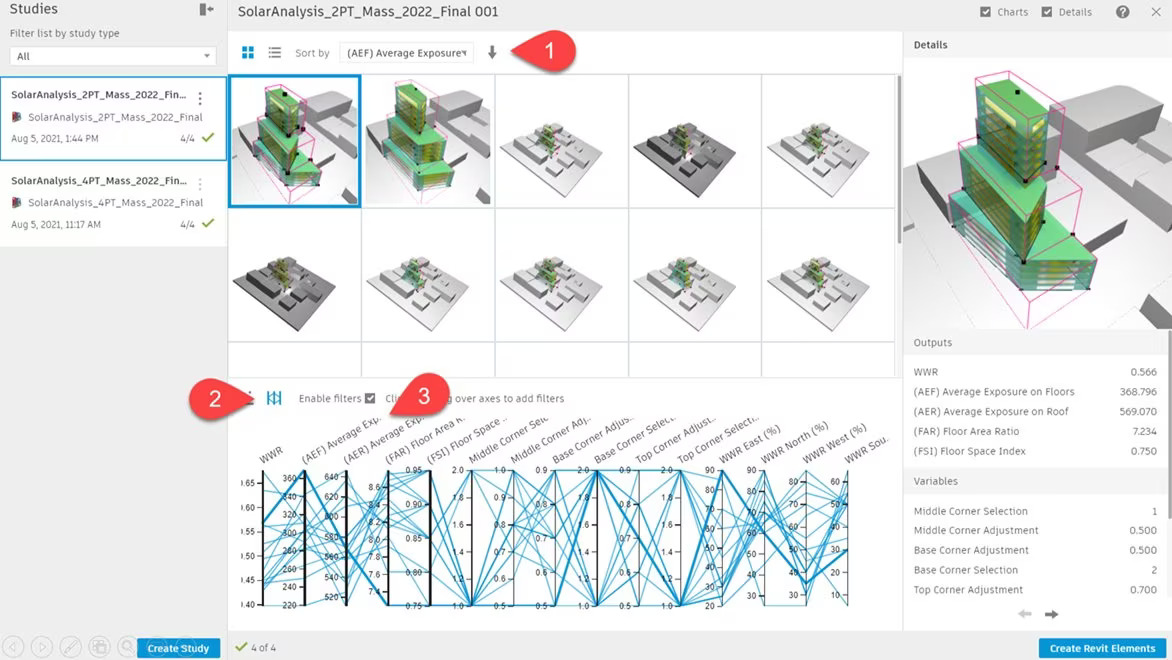
The integration of Artificial Intelligence (AI) and BIM has given birth to generative design algorithms. These algorithms explore a multitude of design possibilities based on input parameters, generating a range of solutions that are both innovative and functional. By automating the design exploration process, generative design fosters creativity while optimizing elements like material usage, structural integrity, and energy efficiency.
5. Cloud Computing and Collaboration Platforms
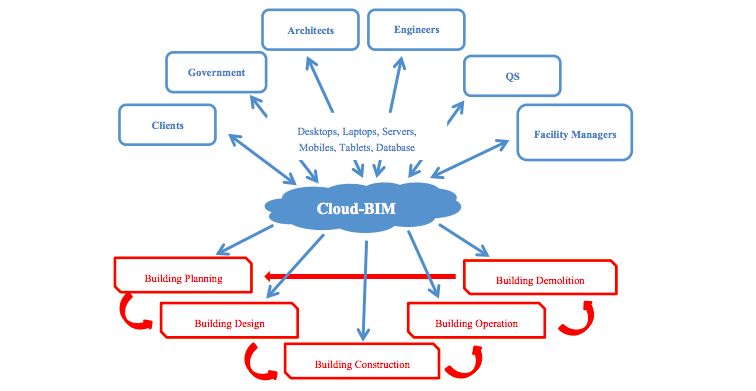
Cloud computing has revolutionized the way BIM projects are managed and executed. By storing project data on remote servers, cloud technology ensures real-time accessibility, enabling global collaboration and streamlined updates. Collaborative platforms further enhance this process, allowing teams to work concurrently on models, share feedback, and track changes, regardless of geographical constraints.
6. Internet of Things (IoT) Integration
The Internet of Things (IoT) has woven itself into the fabric of BIM, introducing a new dimension of data collection and analysis. IoT devices, embedded within buildings, capture real-time data on factors such as temperature, occupancy, and energy usage. This data is integrated into BIM models, providing insights that inform design decisions and enable predictive maintenance strategies.
7. Artificial Intelligence (AI) Analytics
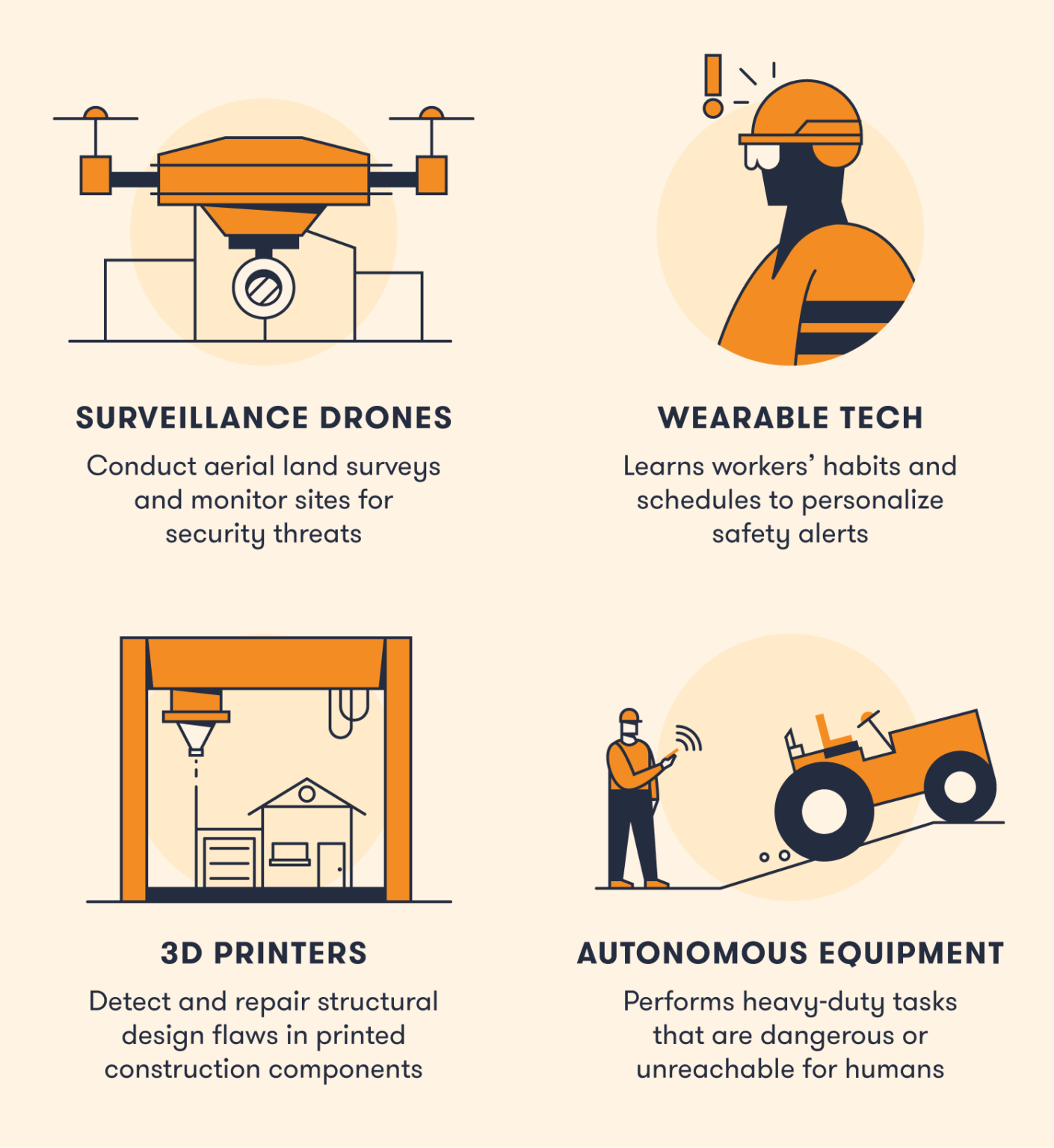
AI's analytical prowess has found a natural home in BIM applications for the construction industry. By processing vast amounts of data, AI algorithms identify patterns, anomalies, and trends that might otherwise go unnoticed. These insights empower project managers and stakeholders to make informed decisions, optimize resource allocation, and mitigate potential risks throughout the project lifecycle.
8. Blockchain for Data Security
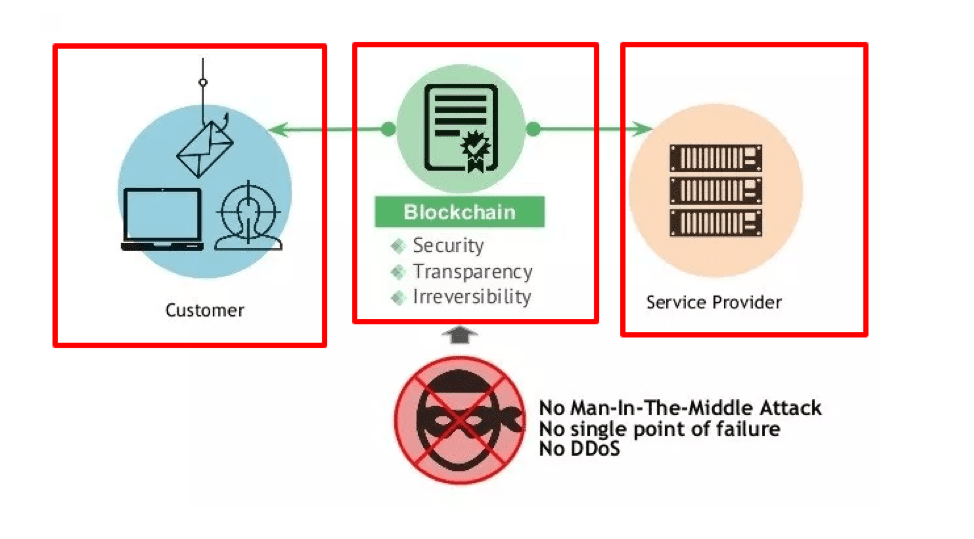
As the evolution of BIM emphasizes data integrity and security, blockchain technology has emerged as a safeguarding solution. Through its decentralized and immutable nature, blockchain ensures the integrity of project data and documentation. This BIM technology impact on construction enhances transparency and trust among project stakeholders while reducing the risk of unauthorized data alteration.
Conclusion
At the core of the evolution in building processes lies BIM technology. Beyond software, it has transformed into a guiding light propelling the construction industry toward a digitally empowered future. From enhanced design visualization to data-driven efficiency, BIM is pivotal.
Embracing a transformative journey with TopBIM company unveils a synergy with innovation that drives efficient, sustainable, and awe-inspiring structures. BIM stands as a beacon, illuminating the path ahead, where technology constructs the essence of architectural progress. BIM, empowered by the industry leader, isn't just a tool; it's the driving force shaping the future of construction.
About the Creator
Olivia Harris
I am Olivia Harris, a writer and editor with a passion for architecture and construction. I am a strong advocate for the built environment and am committed to using my writing to inform and inspire others.
Enjoyed the story? Support the Creator.
Subscribe for free to receive all their stories in your feed.
Comments
There are no comments for this story
Be the first to respond and start the conversation.