
What is the definition of a conference?
definition of a conference

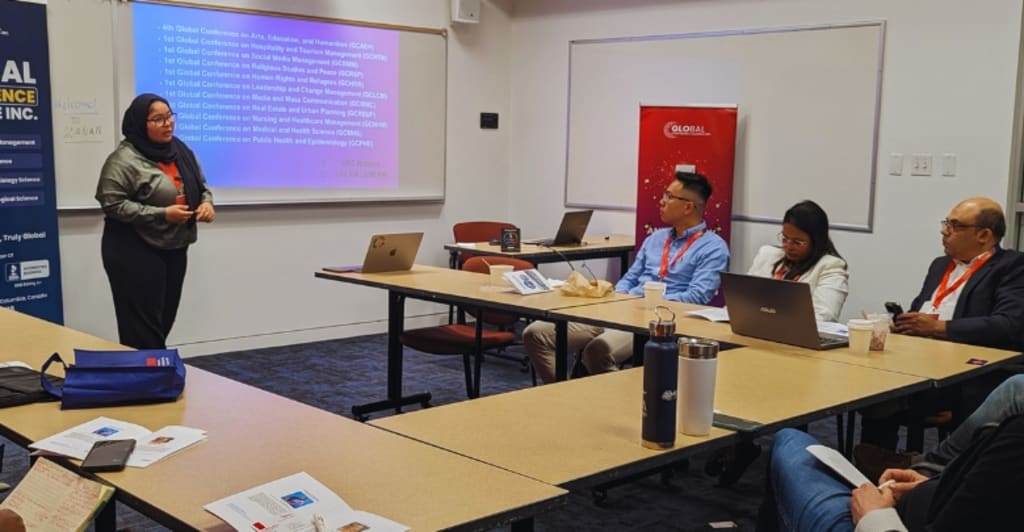
Conferences are a central aspect of professional and academic life, bringing people together to discuss ideas, share knowledge, and collaborate on various topics. But what exactly is the definition of a conference? Let’s explore this concept in detail to gain a clearer understanding.
Understanding the Definition of a Conference
At its core, a conference is a formal gathering of people who come together to discuss specific subjects or fields of interest. The definition of a conference typically involves a structured format where participants engage in presentations, discussions, and networking. These events can vary in size, purpose, and format, but they all share the common goal of facilitating communication and knowledge exchange.
Conferences can be organized for various reasons, including academic research, business development, professional training, or industry updates. They often feature keynote speakers, panel discussions, workshops, and breakout sessions to address different aspects of the main topic. Understanding the definition of a conference helps us appreciate its role in fostering learning and collaboration.
Types of Conferences
To fully grasp the definition of a conference, it's helpful to know the different types of conferences that exist. Here are some common categories:
- Academic Conferences: These conferences focus on the presentation and discussion of research findings. They are often organized by academic institutions or professional societies and serve as a platform for researchers to share their work with peers.
- Business Conferences: Business conferences are designed to address industry trends, company strategies, and professional development. They provide networking opportunities and insights into market dynamics.
- Professional Conferences: These events are tailored to specific professions, offering training and development opportunities to enhance skills and knowledge in a particular field.
- Trade Conferences: Trade conferences focus on industry-specific topics, showcasing new products, technologies, and services. They are often attended by professionals looking to stay updated with the latest advancements in their industry.
Understanding these types helps clarify the broader definition of a conference and highlights its diverse applications.
Key Components of a Conference
What is the definition of a conference without its essential components? Let’s break down some key elements that make up a typical conference:
- Agenda: A well-structured agenda outlines the schedule of sessions, presentations, and activities. It helps participants know what to expect and plan their time effectively.
- Speakers: Conferences usually feature experts or influential figures who deliver presentations or lead discussions. These speakers provide valuable insights and stimulate meaningful conversations.
- Networking Opportunities: One of the key benefits of attending a conference is the chance to connect with other professionals. Networking sessions, informal gatherings, and social events facilitate interactions and relationships.
- Workshops and Sessions: These are interactive segments where participants can delve deeper into specific topics. Workshops often involve hands-on activities, while sessions may include lectures or panel discussions.
- Exhibitions: Many conferences include exhibitions where companies or organizations showcase their products, services, or innovations. This aspect provides attendees with a tangible view of industry trends.
Why Conferences Matter
Now that we’ve explored the definition of a conference and its components, let’s consider why these events are important. Conferences play a crucial role in various fields:
- Knowledge Sharing: They provide a platform for sharing new ideas, research findings, and best practices. This exchange of knowledge drives innovation and progress.
- Professional Development: Attending conferences helps individuals stay updated with the latest trends and advancements in their field. It also offers opportunities for skill enhancement and career growth.
- Networking: Conferences bring together like-minded individuals, fostering connections and collaborations that can lead to future opportunities and partnerships.
- Industry Insights: They offer valuable insights into industry trends, challenges, and solutions. This information can help businesses and professionals make informed decisions and stay competitive.
Conclusion
Understanding the definition of a conference sheds light on its significance and impact. Conferences are more than just meetings; they are dynamic events that facilitate knowledge exchange, professional development, and networking. Whether for academic, business, or professional purposes, conferences play a vital role in fostering growth and collaboration. By attending and participating in these events, individuals and organizations can stay at the forefront of their fields and contribute to the advancement of their industries.
About the Creator
Enjoyed the story? Support the Creator.
Subscribe for free to receive all their stories in your feed.
Comments
There are no comments for this story
Be the first to respond and start the conversation.