
What is the Dark Web? A Complete Guide
The internet isn't just what we see every day on Google, Facebook, or YouTube. Beneath that lies a hidden world known as the **Dark Web**. In this article, we'll break down what the Dark Web actually is, how it works, the risks involved, and whether using it is legal.

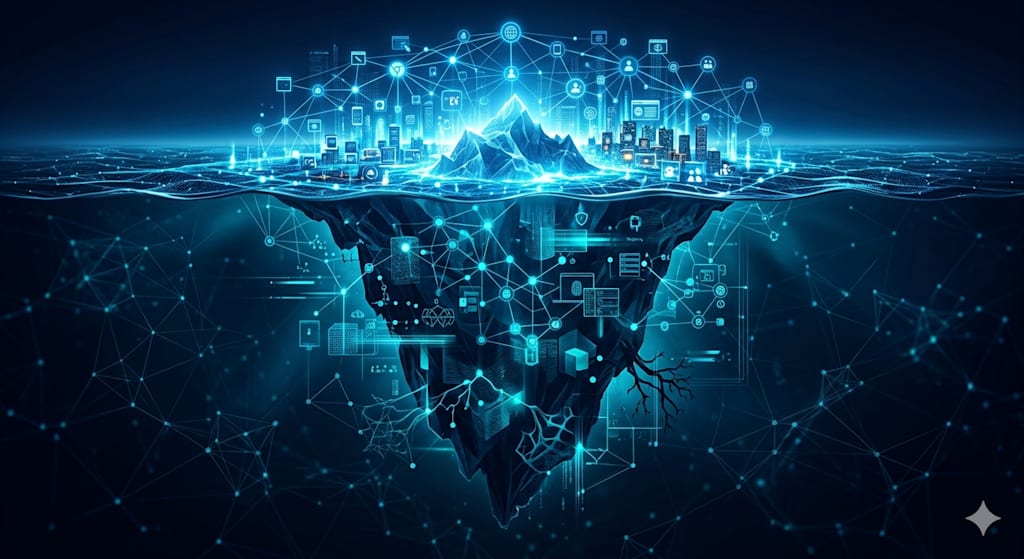
The internet isn't just what we see every day on Google, Facebook, or YouTube. Beneath that lies a hidden world known as the **Dark Web**. In this article, we'll break down what the Dark Web actually is, how it works, the risks involved, and whether using it is legal.
## Surface Web vs. Deep Web vs. Dark Web
To understand the internet properly, it's usually divided into three layers:
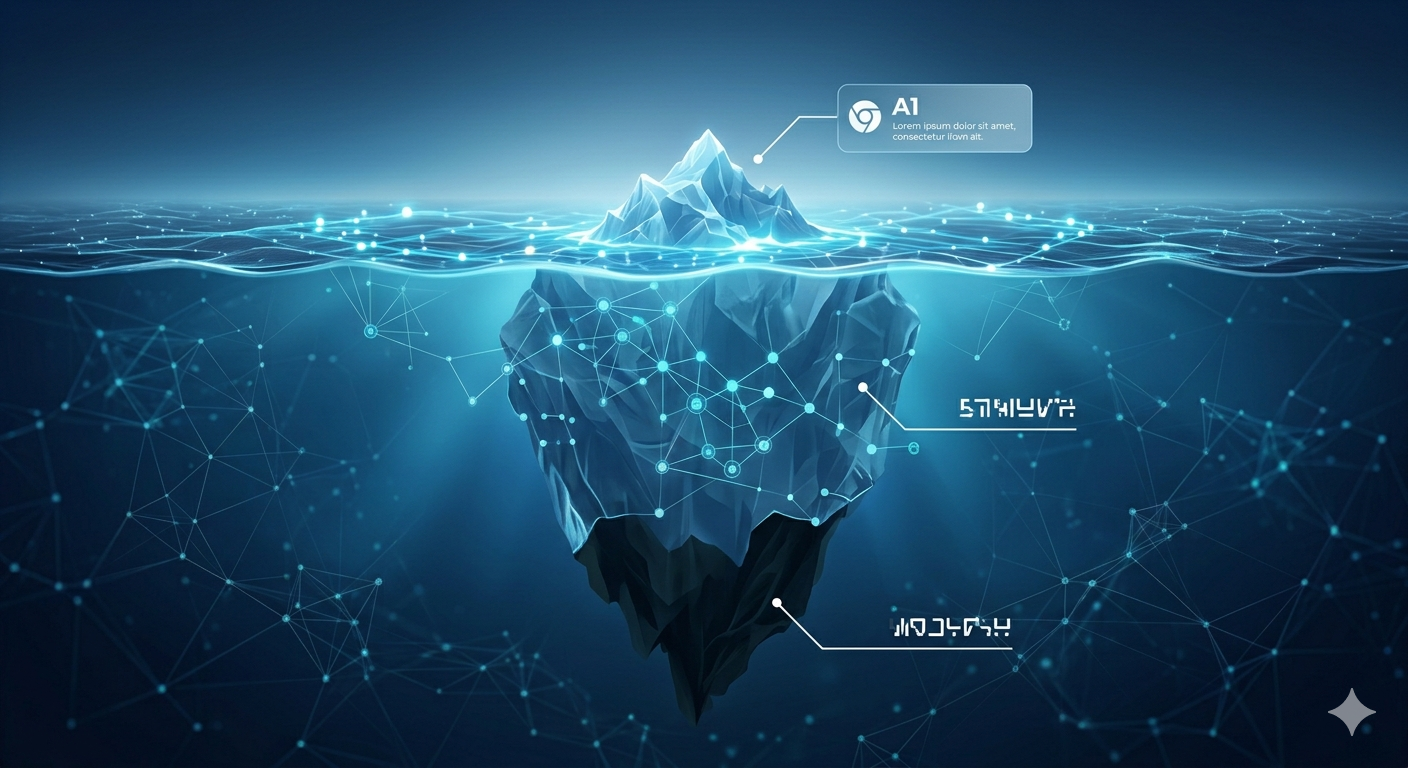
- **Surface Web** — The part of the internet you can find through search engines like Google. This makes up only about 4-5% of the entire internet.
- **Deep Web** — Content that isn't indexed by search engines, such as your email inbox, online banking dashboard, or a university's internal portal. This is *not* inherently dangerous — most of us use the Deep Web every single day without realizing it.
- **Dark Web** — A small portion of the Deep Web that can only be accessed using special software, most commonly **Tor**. This is the part people usually mean when they say "Dark Web."
## How Does the Dark Web Work?
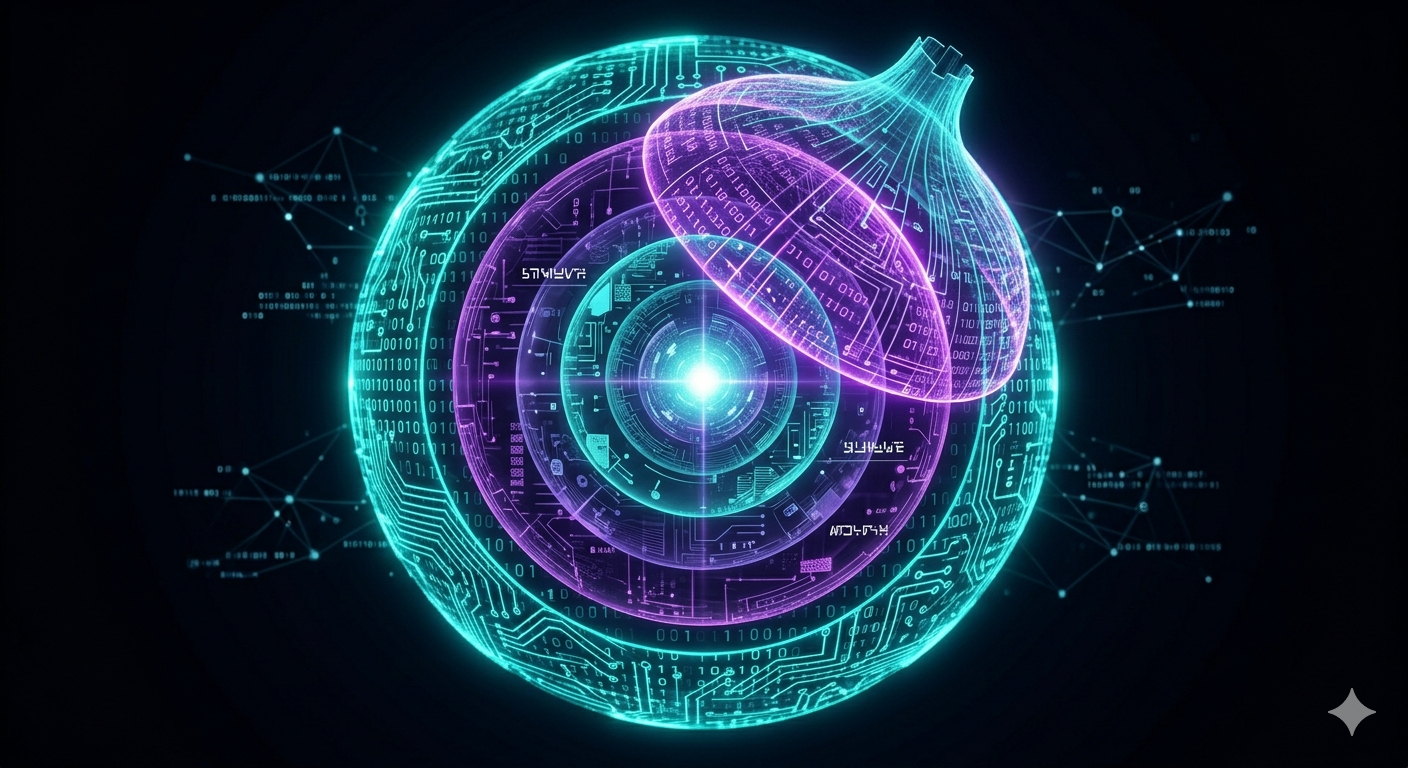
The Dark Web runs primarily on the **Tor (The Onion Router)** network. This technology routes a user's traffic through multiple encrypted layers — much like the layers of an onion — to hide their identity and location. Websites on this network use **.onion** addresses instead of regular ".com" or ".pk" domains, and they can't be opened in normal browsers like Chrome or Safari.
Interestingly, Tor was originally developed by the **US Naval Research Laboratory** for secure government communications, before being released publicly. Today it's maintained by a nonprofit and used by millions of people worldwide for very different reasons.
## What's Actually on the Dark Web?
This is where most people's assumptions go wrong — the Dark Web isn't *only* illegal markets. It has both legitimate and illegitimate uses:
**Legitimate uses:**
- Journalists communicating with whistleblowers securely
- Activists and citizens in countries with heavy censorship accessing free information
- Privacy-conscious individuals avoiding surveillance and tracking
- Organizations like the BBC and ProPublica running official **.onion** versions of their sites
**Illegitimate uses (and why caution matters):**
- Illegal marketplaces selling drugs, weapons, or stolen data
- Marketplaces trading stolen credentials and financial information
- Scam operations and fraudulent "vendors"
- Malware and hacking tools/services
## The Real Risks
If you're writing this for an awareness-style article, this section matters a lot for E-E-A-T (credibility):
- **Scams are extremely common** — there's no consumer protection, no customer service, no way to dispute a fraudulent transaction.
- **Malware exposure** — many .onion sites are designed specifically to infect visitors' devices.
- **Law enforcement monitoring** — many marketplaces are secretly run or surveilled by police agencies (several major busts have happened this way).
- **No way to verify identity or legitimacy** — everything is anonymous, including the people trying to scam you.
- **Accidental exposure to disturbing content** — without warning, unlike the regulated surface web.
## Is It Legal to Use the Dark Web?
In most countries, **simply accessing the Dark Web through Tor is not illegal**. Tor itself is just a privacy tool — similar to a VPN. What's illegal is *what you do* there: buying illegal goods, accessing illegal content, or engaging in fraud. However, laws vary by country, and some governments restrict or monitor Tor usage closely, so it's worth checking local regulations.
## Frequently Asked Questions
**Is the Dark Web the same as the Deep Web?**
No. The Deep Web is any unindexed content (like your email). The Dark Web is a small, specifically hidden subset of it that requires special software to access.
**Can I get in trouble just for visiting the Dark Web?**
In most countries, simply using Tor isn't illegal — but what you do once there can be.
**Is Tor completely anonymous?**
It significantly increases privacy but isn't 100% foolproof. Mistakes in usage, malware, or sophisticated tracking can still expose users.
## Conclusion
The Dark Web is often portrayed in media as purely a den of criminal activity, but the reality is more nuanced — it's a tool that can be used for privacy and freedom of information just as easily as it can be misused. Understanding how it works helps separate fact from fear, which is exactly what informed digital citizens need in 2026.
This is structured with clear H2s, a FAQ section (good for schema markup and AI Overviews), and short paragraphs — all aligned with what we found in the SEO research. Want me to also write a **meta title + meta description** for this, or suggest a featured image / thumbnail concept?
About the Creator
Iqbal
Iqbal was a visionary poet
Enjoyed the story? Support the Creator.
Subscribe for free to receive all their stories in your feed.
Comments
There are no comments for this story
Be the first to respond and start the conversation.