
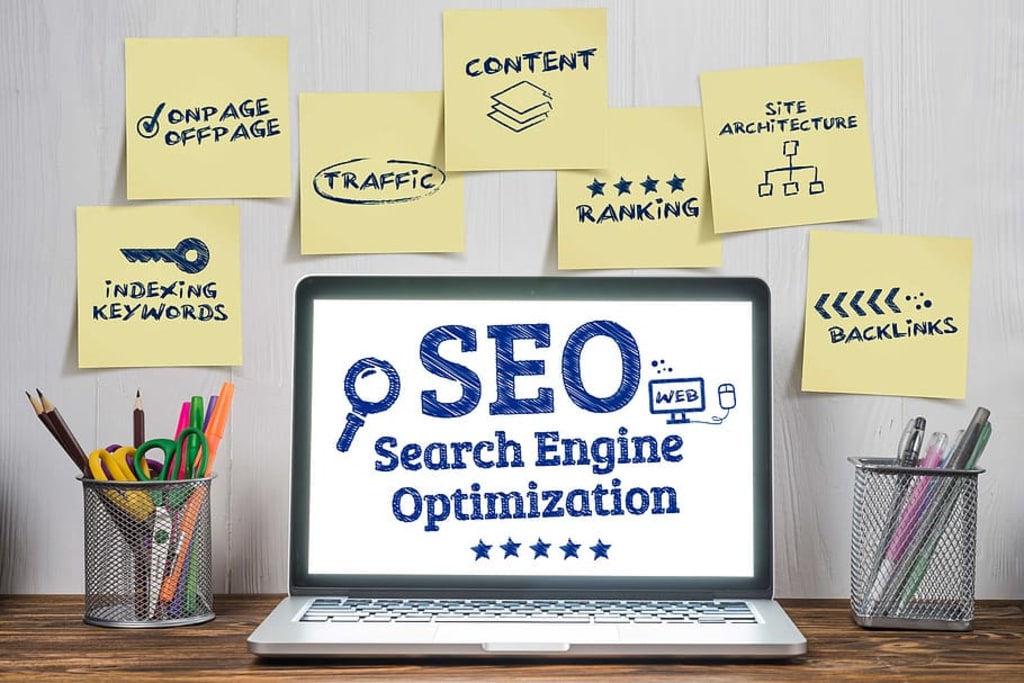
Search Engine Optimization (SEO) is the process of optimizing a website in order to improve its visibility and ranking in search engine results pages (SERPs). The goal of SEO is to increase the quantity and quality of website traffic by making sure the site is easily crawlable and accessible to search engines, as well as relevant and authoritative to users.
SEO is a complex and ever-evolving field that involves a wide range of strategies and techniques. In order to effectively optimize a website, it is important to understand the different factors that contribute to a site's search engine ranking.
One of the most important factors in SEO is the quality and relevance of a website's content. Search engines use complex algorithms to determine the relevance of a website's content to a particular search query. This means that in order to improve a site's ranking, it is essential to create high-quality, relevant, and engaging content that uses relevant keywords.
Another important factor in SEO is the number and quality of backlinks pointing to a website. Backlinks are links from other websites that point to a particular site. Search engines view these links as a sign of a site's authority and relevance, and they use them to determine a site's ranking. In order to improve a site's search engine ranking, it is important to build high-quality backlinks from authoritative websites.
The website's structure and organization is also an important factor in SEO. Search engines use complex algorithms to crawl and index websites, and a well-structured and organized site makes it easier for them to do so. This means that in order to improve a site's ranking, it is essential to optimize the website's structure, organization, and navigation.
The use of keywords in a website's content and meta tags is also an important factor in SEO. Search engines use keywords to determine the relevance of a website's content to a particular search query. This means that in order to improve a site's ranking, it is essential to use relevant keywords in the site's content and meta tags.
In addition to these factors, there are several best practices that can be followed to improve a website's SEO. Some of the most important include:
Conducting keyword research to identify the most relevant and high-traffic keywords for the website
Creating high-quality, relevant, and engaging content that uses those keywords
Optimizing the website's structure, organization, and navigation to make it easy for search engines to crawl and index
Building high-quality backlinks from authoritative websites
Optimizing meta tags and alt tags for images
Regularly monitoring the website's performance and making updates and adjustments as needed
SEO is an ongoing process, and it requires patience and consistency to achieve long-term results. However, by following best practices and staying up-to-date with the latest developments in search engine algorithms, it is possible to improve a website's search engine ranking and drive more targeted traffic to the site.
One of the most important things to keep in mind when optimizing a website is that SEO is not a one-time process. Search engine algorithms are constantly changing, and what works today may not work tomorrow. Therefore, it is essential to stay up-to-date with the latest developments in the field and make regular updates and adjustments to a site's SEO strategy.
Another important thing to keep in mind is that SEO is not just about improving a website's search engine ranking. It is also about improving the overall user experience. A well-optimized website should be easy to navigate, load quickly, and provide valuable and relevant information to users.
Advantages of SEO:
Increased traffic: One of the main advantages of SEO is that it can increase the quantity and quality of website traffic. By improving a site's visibility and ranking in SERPs, more users are likely to find and visit the site.
Cost-effective: SEO is a relatively low-cost marketing strategy compared to other forms of online advertising such as pay-per-click (PPC) advertising. Once a website is optimized, it can continue to rank well in search results without the need for ongoing investment.
Long-term results: SEO is a long-term strategy that can provide ongoing benefits. Unlike PPC advertising, which requires ongoing investment to maintain results, SEO can continue to drive traffic to a site even after the initial optimization work has been completed.
Local SEO: Local SEO is a strategy that targets users searching for products and services in a specific geographical location. Local SEO can help businesses to attract more customers from the local area.
Branding: SEO can also help to improve a website's brand visibility and credibility. When a site appears at the top of search results, it can be perceived as more authoritative and trustworthy by users.
Disadvantages of SEO:
Time-consuming: SEO is a time-consuming process that requires a significant investment of time and effort. Optimizing a website can take several months or even years to see significant results.
Constant algorithm changes: Search engines algorithms are constantly changing which means, techniques that were once effective may no longer be relevant. SEO professionals have to stay updated with the latest changes and adapt their strategies accordingly.
Competition: SEO can be highly competitive, especially for popular keywords and phrases. It can be difficult for a new or small website to rank well for competitive keywords, especially against larger, more established websites.
Risk of penalties: Search engines can penalize sites that engage in unethical or manipulative SEO practices. Penalties can include reduced search engine visibility, which can have a negative impact on traffic and revenue.
Dependence on search engines: SEO is dependent on the search engines, which means that changes to their algorithms can have a significant impact on a website's search engine visibility.
In conclusion, SEO is a powerful marketing strategy that can drive traffic and revenue to a website. However, it also has its disadvantages, such as the time and effort required to see results and the risk of penalties. Before investing in SEO, it is important to weigh the potential benefits against the potential risks and determine whether it is the right strategy for your business.
About the Creator
Enjoyed the story? Support the Creator.
Subscribe for free to receive all their stories in your feed.
Comments
There are no comments for this story
Be the first to respond and start the conversation.