
What is Motion Control Technology?
Motion Control Technology
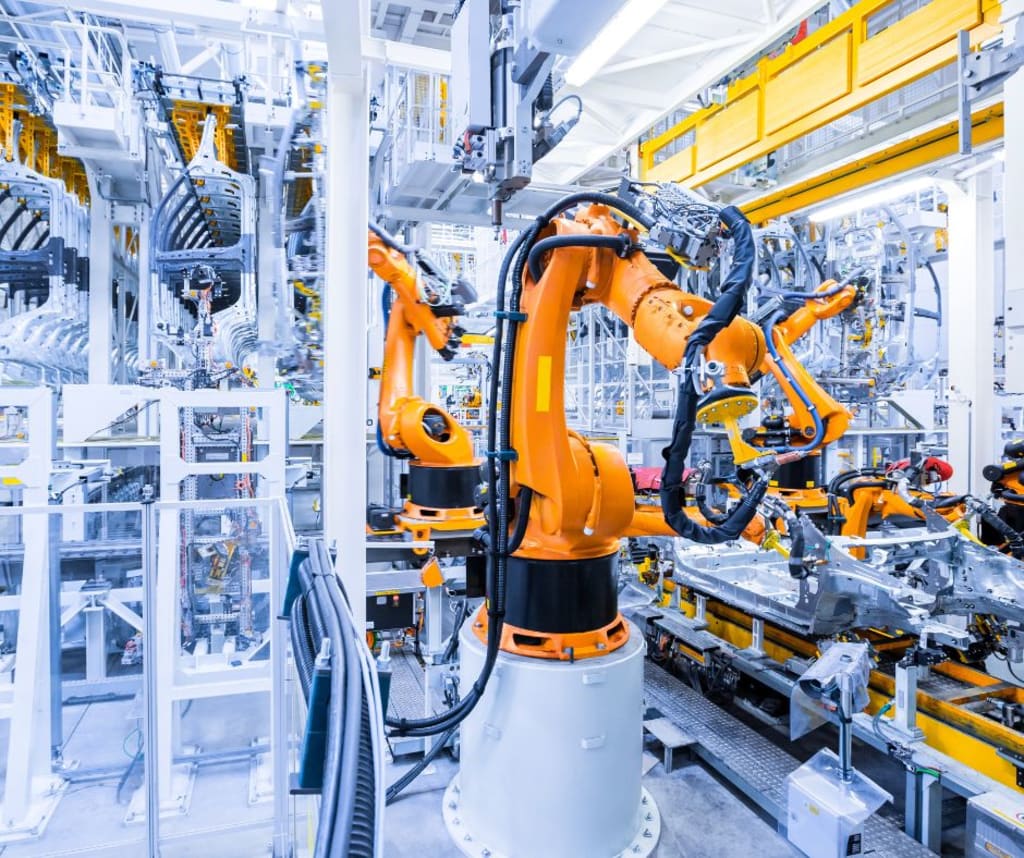
Motion control technology is a specialized branch of engineering and automation focused on controlling the movement of machines and systems. It involves precise management of speed, position, and torque to enable efficient, accurate, and repeatable motion in a wide range of applications. From industrial manufacturing lines to robotics and aerospace systems, motion control technology is integral to modern automation solutions, enhancing productivity and ensuring precision.
Components of Motion Control Technology
Motion control technology typically comprises three main components that work in unison to achieve desired motion outcomes:
Controllers:
The controller is the brain of the motion control system. It processes input signals, calculates motion paths, and sends commands to the motor drivers or actuators. Programmable logic controllers (PLCs) and industrial PCs are commonly used as controllers.
Drives:
Drives act as intermediaries between the controller and motors. They regulate the power delivered to the motors based on the controller's instructions, ensuring smooth and precise operation.
Motors:
Motors are responsible for converting electrical energy into mechanical motion. Common types include servo motors, stepper motors, and linear motors, each selected based on the application's requirements.
How Does Motion Control Technology Work?
Motion control technology operates by integrating hardware and software components to manage the movement of machinery. Here's how the process typically unfolds:
Input: A command is generated based on the desired motion, such as moving a robotic arm to a specific position or rotating a conveyor belt at a set speed.
Processing: The controller processes the input command, calculates the necessary parameters (e.g., speed, acceleration, and position), and sends instructions to the drive.
Execution: The drive regulates power to the motor, causing it to move in a controlled manner. Feedback systems, such as encoders or sensors, provide real-time data to the controller, enabling precise adjustments.
Output: The machine or system executes the motion as per the command, achieving the desired task with high accuracy.
Applications of Motion Control Technology
Motion control technology is used in various industries, offering unparalleled precision and efficiency. Some notable applications include:
Industrial Automation:
Motion control is fundamental to automated manufacturing processes. It ensures smooth operation of conveyors, robotic arms, and assembly lines, improving throughput and quality.
Robotics:
In robotics, motion control technology enables precise movements, such as welding, painting, and material handling. Advanced systems allow robots to perform complex tasks with high accuracy.
Aerospace:
Aerospace applications use motion control to manage actuators in aircraft and spacecraft, ensuring reliability and performance under extreme conditions.
Medical Devices:
In healthcare, motion control powers surgical robots, diagnostic equipment, and patient monitoring systems, enhancing precision and safety.
Packaging and Printing:
Motion control technology ensures accurate positioning, speed regulation, and synchronization in packaging and printing systems, reducing waste and increasing efficiency.
Benefits of Motion Control Technology
The adoption of motion control technology provides numerous advantages that contribute to operational excellence:
Precision and Accuracy:
Motion control systems deliver unmatched precision, ensuring tasks are performed with minimal deviation.
Efficiency:
By automating repetitive and complex tasks, motion control enhances overall efficiency and productivity.
Flexibility:
These systems can be programmed for various applications, making them adaptable to changing industrial needs.
Cost Savings:
Motion control reduces downtime, minimizes errors, and optimizes energy usage, resulting in significant cost savings.
Enhanced Safety:
By automating hazardous tasks, motion control systems protect workers and reduce workplace accidents.
Oracle Robotics and Motion Control Technology
As a leader in automation solutions, Oracle Robotics specializes in providing cutting-edge motion control technology tailored to diverse industrial applications. Our solutions combine advanced hardware, intuitive software, and IoT-enabled capabilities to deliver exceptional performance and reliability. Whether it’s streamlining manufacturing operations or enabling precise robotic movements, Oracle Robotics empowers businesses to achieve new levels of efficiency and innovation.
Future Trends in Motion Control Technology
The evolution of motion control technology is closely tied to advancements in engineering, electronics, and software. Emerging trends are set to redefine its capabilities:
Integration with IoT:
IoT connectivity enables real-time monitoring and predictive maintenance, optimizing system performance and reducing downtime.
AI and Machine Learning:
AI-powered motion control systems can learn from operational data, adapt to changing conditions, and improve over time.
Energy Efficiency:
New technologies are focusing on reducing energy consumption, making motion control systems more sustainable.
Miniaturization:
Compact and lightweight motion control components are enabling new applications in areas like wearable robotics and portable medical devices.
Collaborative Systems:
Motion control is driving the development of collaborative robots (cobots) that work safely alongside humans in shared workspaces.
Challenges in Motion Control Technology
While motion control technology offers immense benefits, it also comes with challenges:
Complexity:
Designing and implementing motion control systems require expertise in multiple disciplines.
Cost:
High initial investment in advanced components and systems can be a barrier for small businesses.
Integration:
Integrating motion control systems with existing infrastructure can be complex and time-consuming.
Maintenance:
Regular maintenance is essential to ensure optimal performance, adding to operational costs.
Conclusion
Motion control technology is a transformative force in modern automation, enabling precise and efficient movement across various industries. Its applications span manufacturing, robotics, aerospace, and beyond, providing unparalleled benefits in productivity, precision, and safety. As innovations continue to shape the field, companies like Oracle Robotics are at the forefront, delivering tailored solutions that meet the evolving needs of businesses. By leveraging motion control technology, industries can unlock new opportunities for growth and innovation, staying competitive in an ever-changing global market.
About the Creator
Oracle Robotics
Packaging Machine Automation
Packaging machine automation involves integrating advanced technology and control systems into packaging processes to enhance speed, precision, and efficiency. https://oraclerobotics.com/
Enjoyed the story? Support the Creator.
Subscribe for free to receive all their stories in your feed.
Comments
There are no comments for this story
Be the first to respond and start the conversation.