
What is Iterative Development?
Exploring Iterative Development and Loops in Programming
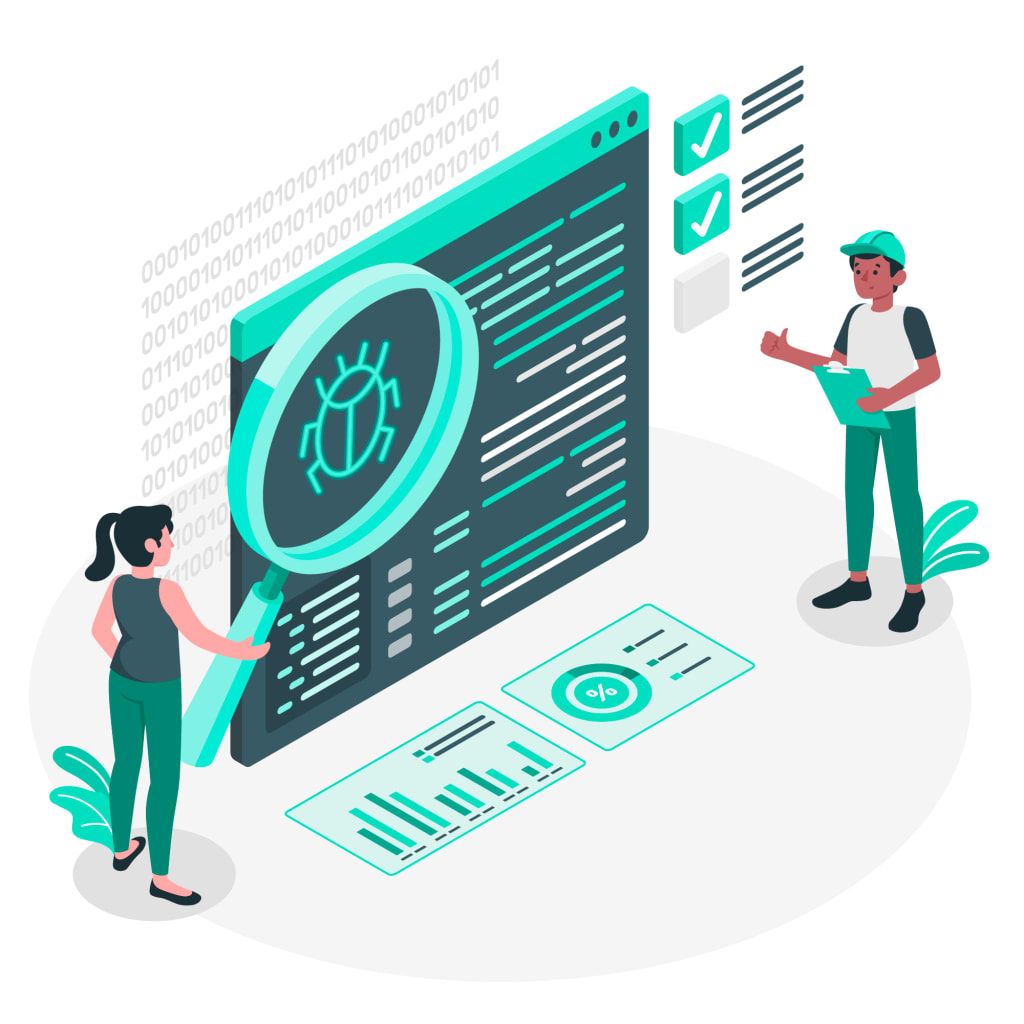
Iterative development is a method of dividing the software development lifecycle (SDLC) of a large application into smaller, manageable parts. Often paired with incremental development, iterative development breaks down the long SDLC process into shorter cycles that build upon each other, enabling a more dynamic and adaptable approach to software creation.
In iterative development, each cycle—also known as an iteration or sprint—includes designing, developing, and testing features. These cycles continue until a fully functional software application is created and ready for deployment. This approach allows additional features to be continuously integrated, refined, and improved with each iteration.
Iterative Development and Agile Methodologies
Iterative development is a core principle of agile development, where sprints are typically time-boxed to a specific duration (e.g., two weeks). At the end of each sprint, the team produces a working piece of code that can be demonstrated to stakeholders. This iterative approach is especially effective in large-scale projects, where requirements may evolve over time or complexity needs careful management.
Advantages of Iterative Development Over Traditional Development
Unlike the traditional waterfall model, where each SDLC phase—such as design, coding, and testing—must be completed in sequence, iterative development is cyclical. Each iteration includes planning, design, development, and testing, with these stages repeated as new features are integrated. Iterative development allows for ongoing assessment, feedback, and adaptation with each iteration, resulting in a product that evolves continuously rather than undergoing a single, comprehensive release at the end.
The flexibility of iterative development enables teams to address issues as they arise and incorporate real-world feedback, rather than waiting until the final stages of development. This adaptability can lead to a higher-quality final product that better meets end-user expectations.
Key Benefits of Iterative Development
Increased Flexibility: Iterative development’s cycles allow teams to make adjustments as needed, responding to new insights, user feedback, or changing requirements without major disruptions.
Reduced Risk: By tackling potential issues early and often, teams can identify and fix bugs or design flaws well before the final product is completed. This proactive approach can prevent costly and time-consuming changes down the line.
User-Driven Enhancements: With each cycle, users and stakeholders have the opportunity to interact with working software, providing feedback that shapes future iterations. This user-centric development ensures the end product aligns closely with user needs.
Project Tracking and Accountability: Iterations are time-boxed, meaning each cycle has a set time frame. This clear structure keeps teams on track and promotes accountability by setting clear deliverables and goals for each iteration.
Version Control: Each iteration builds upon the last, enabling versioning control. If issues arise in the current version, developers can easily revert to a previous version, minimizing losses and maintaining continuity.
Comparing Iterative Development with Traditional Waterfall Development
In the waterfall model, all design phases are completed before coding begins, and testing only occurs after the coding phase is complete. This sequential, phase-gated process can make it difficult to address problems that only surface during development, and adapting to changes late in the process can lead to delays.
Iterative development, on the other hand, offers a cyclical approach, where planning, design, development, and testing activities repeat for each new feature. This allows teams to adjust after each iteration based on feedback and testing results. Each iteration produces a working product that’s progressively more advanced than the last, enabling the flexibility and responsiveness that the waterfall model lacks.
Phases of the Iterative Development Process
The iterative process follows four main phases, which are repeated for each cycle:
Planning and Analysis: Teams start by identifying and analyzing the software’s requirements in alignment with business goals. Database models and essential business logic are also established to support ongoing development.
Design: The design phase involves selecting technical requirements, such as programming languages and data storage solutions, ensuring alignment with project goals and tech stack standards.
Technical Architecture and Coding: The technical architecture is constructed, and coding begins to produce the initial version or module of the software.
Testing: During testing, individual code units are validated for functionality, followed by integration testing to ensure seamless collaboration between units. User Acceptance Testing (UAT) is also performed to confirm that the product aligns with user expectations. Testing may involve black box, white box, or gray box methods for security.
Each of these phases is repeated with every iteration until the final product is ready for release. Before final delivery, the entire product is evaluated and handed over to the client for review.
About the Creator
Deeporion Technology
Deeporion Technology is a dynamic web and software development company dedicated to providing innovative solutions tailored to meet the unique needs of businesses across various industries.
Enjoyed the story? Support the Creator.
Subscribe for free to receive all their stories in your feed.
Comments
There are no comments for this story
Be the first to respond and start the conversation.