
What Is Identity Verification and Why Is It Important?
Understanding how identity verification protects users, prevents fraud, and builds trust in the digital age.

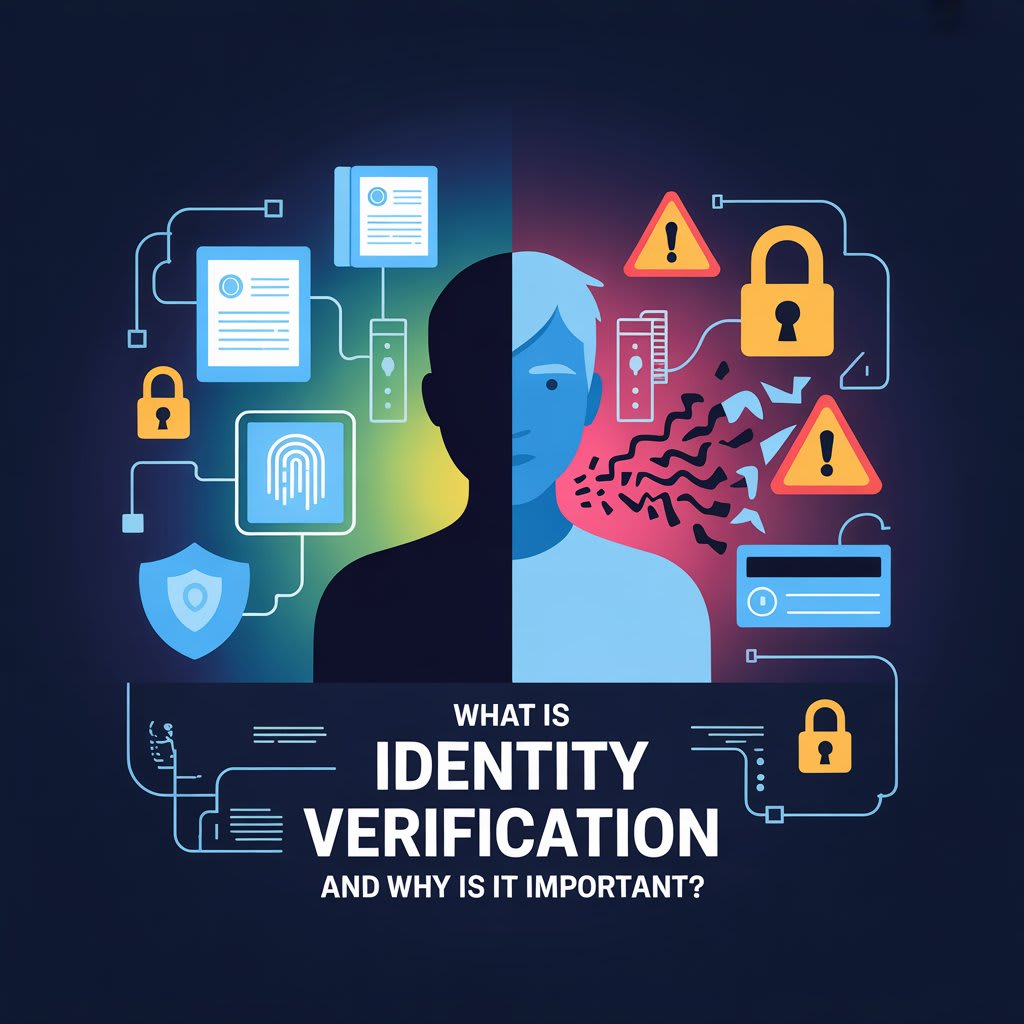
In an increasingly digital world, where people interact, transact, and communicate online, establishing trust has become more critical than ever. This is where identity verification plays a central role. Identity verification is the process of confirming that a person is who they claim to be. Whether opening a bank account, logging into an app, or making an online purchase, identity verification helps ensure that individuals and organizations can trust each other in a secure environment.
What Is Identity Verification?
Identity verification refers to the methods and processes used to validate a person’s identity using various data points, credentials, or technologies. Traditionally, this process involved presenting physical documents such as passports, national ID cards, or driver’s licenses. However, with the rise of digital platforms, identity verification has evolved into more sophisticated methods that can be performed remotely.
Modern identity verification systems often combine multiple approaches, including document verification, biometric authentication (such as facial recognition or fingerprint scanning), database checks, and one-time passwords (OTPs). These layered methods create a more secure and reliable way to confirm identity, reducing the risk of fraud or impersonation.
Types of Identity Verification
There are several common types of identity verification used today:
1. Document Verification
This involves checking government-issued IDs like passports or driver’s licenses. Advanced systems can scan and validate these documents to ensure they are genuine and not tampered with.
2. Biometric Verification
Biometric methods use unique physical characteristics such as facial features, fingerprints, or voice patterns. These are difficult to replicate, making them highly secure.
3. Knowledge-Based Verification
This method asks users to answer personal questions, such as past addresses or financial information. While once popular, it is now less secure due to data breaches and social engineering.
4. Two-Factor and Multi-Factor Authentication (2FA/MFA)
These methods require users to verify their identity using two or more factors, such as a password and a code sent to their phone.
Why Is Identity Verification Important?
Identity verification is essential for several reasons, ranging from security to regulatory compliance and user trust.
1. Preventing Fraud and Identity Theft
One of the primary purposes of identity verification is to prevent fraud. Cybercriminals often attempt to impersonate others to gain unauthorized access to accounts or services. Strong identity verification systems make it significantly harder for attackers to succeed.
2. Enhancing Online Security
With the increasing number of cyber threats, businesses must protect their users’ data and accounts. Identity verification adds a critical layer of defense, ensuring that only authorized individuals can access sensitive information.
3. Building Trust Between Users and Businesses
Trust is the foundation of any successful interaction, especially online. When users know that a platform uses robust identity verification, they feel more confident sharing their information and conducting transactions.
4. Regulatory Compliance
Many industries, particularly finance and healthcare, are required by law to verify the identities of their customers. Regulations such as Know Your Customer (KYC) and Anti-Money Laundering (AML) mandate strict identity verification processes to prevent illegal activities like money laundering and terrorism financing.
5. Enabling Digital Transformation
As businesses move online, identity verification enables them to offer services remotely without compromising security. From digital banking to e-commerce, verification systems allow seamless yet secure user experiences.
Challenges in Identity Verification
Despite its importance, identity verification is not without challenges. Balancing security and user convenience is a key concern. Overly complex verification processes can frustrate users, while weak systems can expose them to risks.
Privacy is another major issue. Collecting and storing personal data requires strict safeguards to prevent misuse or breaches. Additionally, as fraudsters become more sophisticated, identity verification technologies must continuously evolve to stay ahead.
The Future of Identity Verification
The future of identity verification lies in advanced technologies such as artificial intelligence (AI), machine learning, and decentralized identity systems. AI-powered tools can detect suspicious patterns and improve accuracy, while decentralized identity models give users more control over their personal data.
Biometric authentication is also expected to become more widespread, offering faster and more secure verification methods. As technology advances, identity verification will become more seamless, integrating into everyday digital interactions without disrupting the user experience.
Conclusion
Identity verification is a cornerstone of modern digital security. It ensures that individuals are who they claim to be, protects against fraud, and builds trust in online environments. As cyber threats continue to grow and digital interactions expand, the importance of robust identity verification systems cannot be overstated. By adopting secure and user-friendly verification methods, businesses and individuals alike can navigate the digital world with confidence and peace of mind.
About the Creator
Amir Hamza
I’m Amir Hamza, a passionate writer who enjoys creating engaging and informative articles. I’ve always loved writing and hope you enjoy reading my work as much as I enjoy creating it.
Enjoyed the story? Support the Creator.
Subscribe for free to receive all their stories in your feed.
Comments
There are no comments for this story
Be the first to respond and start the conversation.