
What is Full-Stack Development and Why It Matters in 2024
Discover Full-Stack Development Process and Technologies involved in it

Introduction
In the fast-paced world of technology, the term "full-stack development" has become a buzzword among companies looking to streamline their web and software projects. But what exactly does it mean, and why is it so important today? Let's dive into the details of full-stack development, its benefits, and why it has become a cornerstone in modern software engineering.
What is Full-Stack Development?
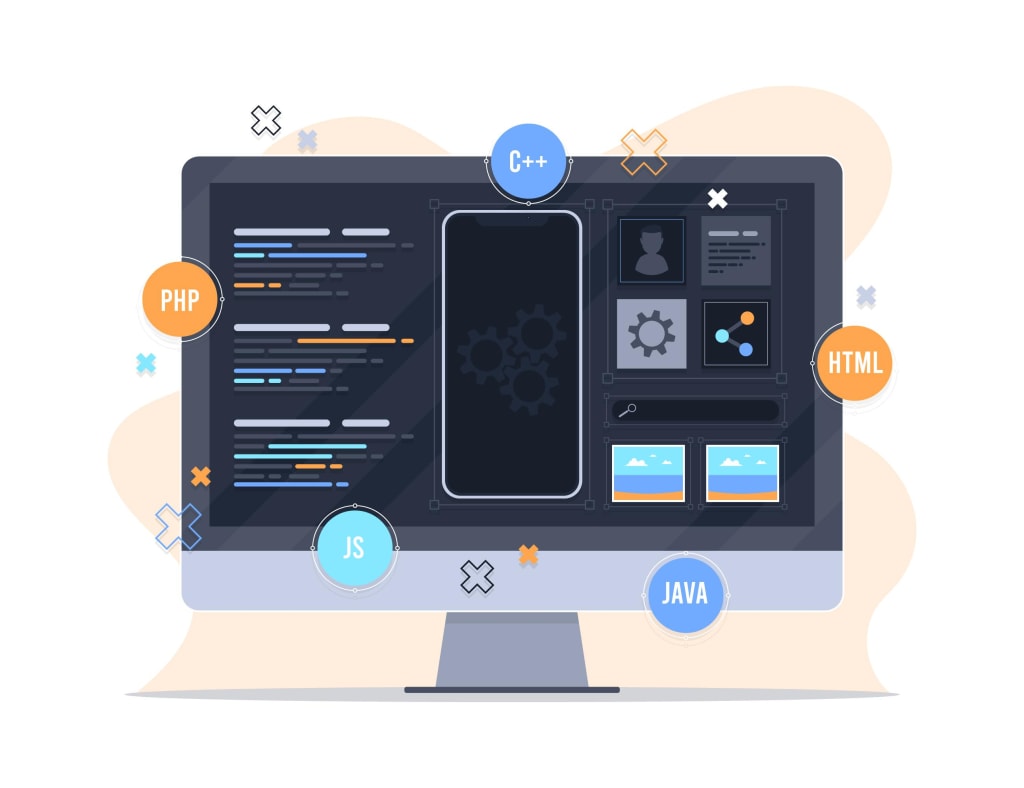
Full-stack development refers to the process of developing both the frontend (client-side) and backend (server-side) of a web application. It involves working on all layers of the application, from the user interface to the server, database, and even the networking layer. A full-stack developer is skilled in multiple technologies, making them capable of building complete web applications from start to finish.
Frontend Development: This involves designing the user interface (UI) and user experience (UX) that users interact with. Technologies like HTML, CSS, and JavaScript are commonly used in frontend development. The frontend is where creativity meets functionality, and full-stack developers must have a keen eye for design along with coding expertise.
Backend Development: The backend is where the application's logic, database interactions, and server configuration reside. Backend development typically involves programming languages like Python, Java, Ruby, and PHP, along with database management systems like MySQL, MongoDB, or PostgreSQL. The backend is the engine that drives the application, ensuring that everything runs smoothly behind the scenes.
A full-stack developer, therefore, is a versatile professional who can handle both sides of the development equation. This dual capability allows for a more integrated and cohesive development process, ensuring that all parts of the application work seamlessly together.
Benefits of Full-Stack Development
Organizations that adopt full-stack development strategies can experience numerous benefits, including:
Efficient Resource Utilization: Full-stack developers can manage both frontend and backend tasks, reducing the need for multiple specialized developers. This streamlined approach leads to cost savings and improved coordination within development teams. In a traditional setup, different developers handle different aspects of the project, which can lead to communication gaps and inefficiencies. With full-stack development, these issues are minimized, as the same developer or team can handle the project from start to finish.
Faster Development Cycles: With the ability to handle all aspects of development, full-stack developers can create Minimum Viable Products (MVPs) more quickly, allowing businesses to bring products to market faster. The speed at which full-stack developers can operate is especially beneficial in agile or lean development frameworks, where rapid iteration is key. By reducing the time it takes to develop a product, businesses can adapt to market needs more swiftly and stay ahead of the competition.
Enhanced Problem-Solving: Full-stack developers have a holistic view of the entire system, enabling them to troubleshoot issues across the stack and optimize the application’s performance more effectively. Their comprehensive understanding of the system architecture and multiple coding languages allows them to identify bottlenecks, conflicts, or inefficiencies that specialized developers might miss. They can also switch easily between frontend and backend development, providing flexibility in resource allocation—this is particularly useful during emergencies.
Scalability: Full-stack development ensures that your application is built with scalability in mind. As your business grows, your application can easily be expanded or modified without needing to overhaul the entire system. This scalability is crucial for businesses that anticipate growth or need to adapt quickly to changing market conditions.
Popular Full-Stack Development Technologies
Several frameworks and technologies have become standard tools in full-stack development:
MEAN Stack (MongoDB, Express.js, Angular, Node.js): This stack is popular for building dynamic single-page applications (SPAs).
MERN Stack (MongoDB, Express.js, React.js, Node.js): A variation of the MEAN stack, using React.js instead of Angular.js, ideal for building fast and interactive user interfaces.
LAMP Stack (Linux, Apache, MySQL, PHP): A classic stack that's still widely used for developing robust, scalable web applications.
Why Your Business Needs Full-Stack Development
In 2024, the demand for full-stack development continues to grow as businesses seek more integrated and agile development solutions. Whether you're a startup looking to build your first application or an enterprise aiming to modernize your software infrastructure, full-stack development offers the flexibility, speed, and efficiency that you need to stay competitive.
To leverage the full potential of full-stack development, consider partnering with a professional full-stack development service like ours at DeepOrion Technologies. Our experienced team can help you build powerful, scalable applications that drive your business forward.
Conclusion
Full-stack development is more than just a trend—it’s a necessity for businesses that want to stay ahead in today’s digital landscape. By understanding and utilizing full-stack development, you can ensure that your applications are not only functional but also efficient, scalable, and ready for future growth.
As technology continues to evolve, the ability to handle both frontend and backend development will become increasingly important. Full-stack developers are well-equipped to meet these challenges, providing the skills and expertise needed to build the next generation of web and mobile applications.
About the Creator
Deeporion Technology
Deeporion Technology is a dynamic web and software development company dedicated to providing innovative solutions tailored to meet the unique needs of businesses across various industries.
Enjoyed the story? Support the Creator.
Subscribe for free to receive all their stories in your feed.
Comments
There are no comments for this story
Be the first to respond and start the conversation.