
What is Financial document control in SAP FICO?
Streamlining Financial Transactions and Mitigating Risk

Introduction:
Financial Document Control is a critical aspect of SAP FICO (Financial Accounting and Controlling) that ensures the accuracy, integrity, and compliance of financial transactions within an organization. In SAP FICO, financial documents play a central role in recording and tracking various financial activities. This blog will delve into the significance of Financial Document Control in SAP FICO and highlight its key components and best practices.
Understanding Financial Document Control:
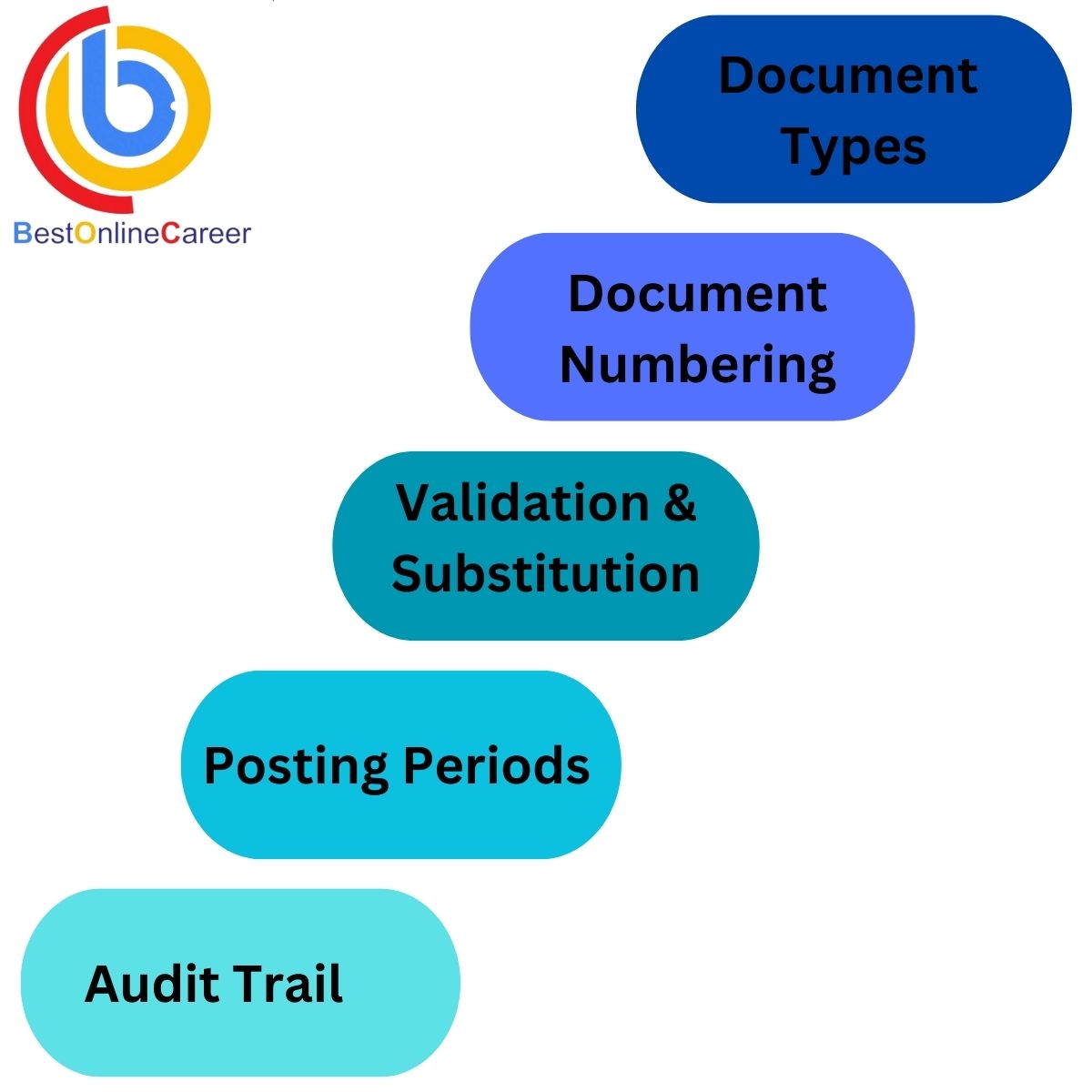
Financial Document Control is a crucial aspect of managing financial transactions within the SAP FICO system. It involves the process of creating, posting, editing, and archiving financial documents to ensure accuracy, integrity, and compliance. The key components of Financial Document Control in SAP FICO include document types, document numbering, validation and substitution rules, posting periods, and maintaining an audit trail. Best practices for Financial Document Control include implementing segregation of duties, establishing approval workflows, conducting regular reconciliations, complying with regulatory requirements, and implementing monitoring and reporting mechanisms. By implementing effective Financial Document Control, organizations can maintain accurate financial data, prevent errors and fraud, and comply with regulatory standards.
Key Components of Financial Document Control:
a. Document Types: SAP FICO provides predefined document types that categorize financial transactions based on their nature and purpose. These document types determine the account assignments, posting rules, and document numbering formats.
b. Document Numbering: Each financial document is assigned a unique document number for identification and traceability. SAP FICO allows for the configuration of document number ranges and control parameters to ensure proper sequencing and prevent duplication.
c. Validation and Substitution: SAP FICO offers validation and substitution rules that allow organizations to enforce specific checks and controls before posting financial documents. These rules can verify data consistency, perform calculations, and enforce business rules to maintain data accuracy and compliance.
d. Posting Periods: Financial Document Control involves defining and managing posting periods within SAP FICO. Posting periods determine the periods during which financial transactions can be posted. By controlling the posting periods, organizations can enforce timely and accurate financial reporting.
e. Audit Trail: SAP FICO maintains a comprehensive audit trail of financial documents, capturing details such as creation date, time, user ID, and any changes made to the document. This audit trail ensures accountability and provides a historical record for auditing purposes.
Best Practices for Financial Document Control in SAP FICO:
a. Segregation of Duties: Implement a proper segregation of duties to ensure that individuals involved in financial document processing have distinct and independent roles. This segregation helps prevent unauthorized access, errors, and fraudulent activities.
b. Approval Workflows: Define approval workflows to ensure that financial documents undergo appropriate review and authorization before being posted. This helps maintain a robust control framework and prevents unauthorized or erroneous postings.
c. Regular Reconciliation: Perform regular reconciliations between SAP FICO and other financial systems to validate the accuracy and consistency of financial data. Reconciliation activities help identify discrepancies, address errors promptly, and ensure data integrity.
d. Compliance with Regulatory Requirements: Stay updated with relevant financial regulations and accounting standards. SAP FICO provides features and functionalities to support compliance, such as localization for country-specific reporting requirements.
e. Continuous Monitoring and Reporting: Implement monitoring tools and reports within SAP FICO to proactively identify and address any anomalies, errors, or potential control issues. Regular monitoring and reporting help maintain the accuracy and reliability of financial data.
Conclusion:
Financial Document Control in SAP FICO Module is a vital process that ensures the accuracy, integrity, and compliance of financial transactions within organizations. By implementing robust control mechanisms, organizations can safeguard financial data, prevent errors and fraud, and comply with regulatory requirements. Understanding the key components and best practices of Financial Document Control empowers businesses to leverage the full potential of SAP FICO and maintain a strong control environment in their financial operations.
Why Best Online Career?
Best Online Career Company With over 18 years of experience in SAP FICO online training and consultancy, we bring our expansive knowledge and moxie to you. Our mission is to provide scholars, graduates, and professionals with the SAP knowledge they need to further their careers.
Our services can offer multiple benefits:
- Free demo session
- Study material
- video recording
- Interview Preparation
- Placement Assistance
For further details Contact Us:
Contact no: +91 86056 61100
Website: https://www.bestonlinecareer.com
Follow Us:
Facebook: https://www.facebook.com/bestonlinecareer
LinkedIn: https://www.linkedin.com/company/best-online-career
Twitter: https://twitter.com/bestonlinecarer
About the Creator
Enjoyed the story? Support the Creator.
Subscribe for free to receive all their stories in your feed.
Comments
There are no comments for this story
Be the first to respond and start the conversation.