
What is Electrical Panel?
A Clear Breakdown of Electrical Panels, Key Components, and Types for Everyday Use
Introduction
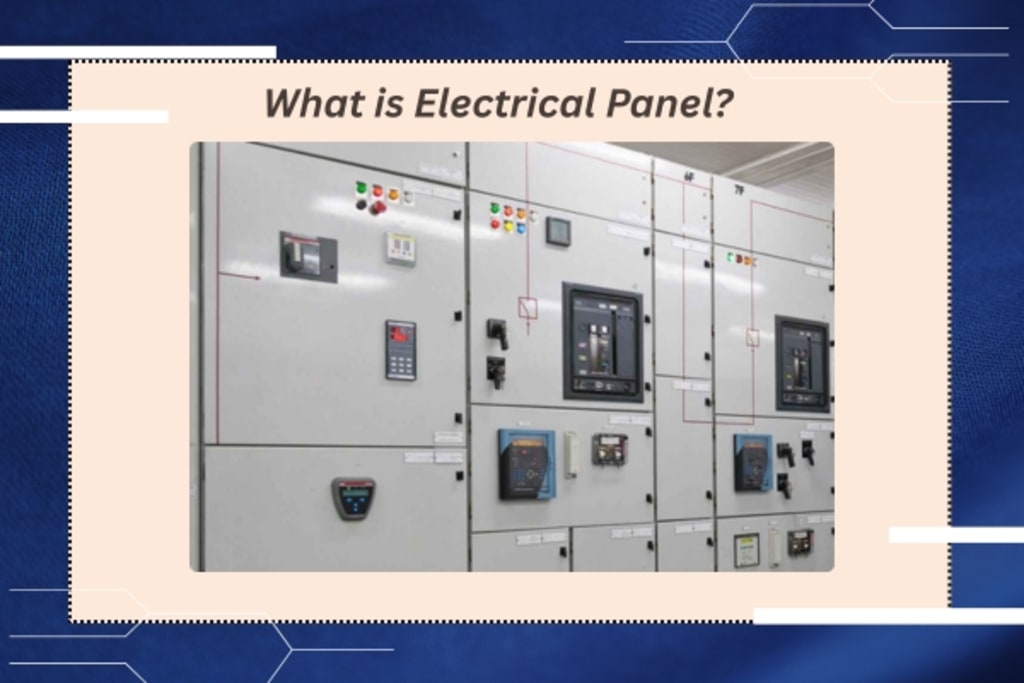
An electrical panel is central to how electricity flows through any building. Whether it’s a home, office, or factory, power must be organized and controlled safely. Understanding what is electrical panel? gives people better control over electrical safety, maintenance, and energy usage.
The electrical panel, often referred to as a breaker box or distribution board, acts like the control room for your electrical system. It directs electricity from the utility line to various circuits in the building.
What is Electrical Panel?
An electrical panel is the main control center for electricity distribution within a structure. It receives electricity from the external power supply and routes it to different areas using individual circuit breakers. Each breaker controls a specific part of the building such as lighting, outlets, appliances, or machinery.
The panel’s design allows it to shut off power to any part of the building when needed. This function is especially important for safety, overload protection, and maintenance. Knowing what is electrical panel? helps reduce risks and improves understanding of how electricity is managed indoors.
Key Components Inside an Electrical Panel
Each electrical panel has essential parts that work together to distribute and protect electrical circuits. The key components inside an electrical panel include:
- Main breaker: Disconnects power from the entire panel.
- Circuit breakers: Individual switches that protect each circuit.
- Bus bars: Distribute power from the main breaker to other breakers.
- Neutral bar: Connects all the white (neutral) wires.
- Grounding bar: Connects the ground wires for safety.
- Panel enclosure: The outer box that protects internal components.
Understanding these parts helps in identifying faults, managing energy, and maintaining safety. Each part has a role in ensuring electricity flows correctly without overloading the system.
Types of Electrical Panels Explained
There are different types of electrical panels, and each serves a specific function depending on the setting. Common panel types include:
- Main breaker panel: The primary panel that controls all circuits in a home or building.
- Main lug panel: Similar to a main panel but without a main breaker. Often used as subpanels.
- Subpanel: A smaller panel connected to the main panel, used for additional circuits.
- Fuse box: An older system that uses fuses instead of breakers.
- Smart panel: A modern version with digital monitoring and energy tracking.
Choosing the right panel depends on the size of the building, the number of circuits needed, and local electrical codes.
How an Electrical Panel Works: Step-by-Step Flow
Electricity first enters the building through the utility service line. From there, it goes into the electrical panel, where it passes through the main breaker and into bus bars. The bus bars distribute the current to the connected circuit breakers.
Each breaker controls a specific circuit, such as lighting, kitchen appliances, or HVAC systems. If a circuit draws more electricity than it should, the breaker trips, cutting off power to that area and preventing damage or fire.
This structure allows safe and efficient power management throughout the building.
Common Electrical Panel Issues and Warning Signs
Several signs indicate when an electrical panel might not be functioning properly. These include:
- Frequent tripping of circuit breakers
- Buzzing or crackling sounds
- Burnt smell or visible scorch marks
- Flickering lights
- Overheating panel surface
These symptoms can result from old wiring, overloaded circuits, or faulty breakers. An outdated panel may no longer meet the current load demands, especially in homes with modern appliances.
Importance of Electrical Panel Layout and Labeling
An organized panel layout helps identify which circuit serves which part of the building. Proper labeling allows quicker maintenance and safer troubleshooting. It also makes it easier to shut off power in emergencies.
Panels without clear labeling can lead to confusion during repairs or inspections. Neat wiring and clear circuit names support long-term system management.
Safety Guidelines Around Electrical Panels
Working around electrical panels requires care. Here are a few safety tips:
- Keep the area in front of the panel clear of any objects.
- Never touch exposed wires or terminals.
- Use insulated tools if checking or adjusting breakers.
- Call a qualified electrician for any repair or installation.
Following safety precautions minimizes the chance of shock, fire, or injury.
Role of Electrical Panels in Modern Energy Management
Electrical panels are evolving. Smart panels can now track energy usage, detect faults in real time, and integrate with solar systems or battery backups. These features are increasingly common in both residential and commercial properties.
Companies like DJ Electro Controls follow industry practices in panel design and distribution systems, aligning with modern efficiency and safety standards.
Frequently Asked Questions
Q1. What is Electrical Panel and how does it work?
Answer: An electrical panel is a box that distributes electricity to different circuits in a building. It manages flow, prevents overloads, and ensures electrical safety.
Q2. What are the Key Components Inside an Electrical Panel?
Answer: Major parts include the main breaker, circuit breakers, bus bars, neutral and ground bars, and the outer enclosure.
Q3. What are the different Types of Electrical Panels?
Answer: Common types are main breaker panels, subpanels, main lug panels, fuse boxes, and smart panels.
Q4. How can I tell if my electrical panel is outdated?
Answer: Signs include frequent breaker trips, burnt smell, buzzing sounds, and lack of space for new circuits.
Q5. Is it safe to open the electrical panel on my own?
Answer: Only for checking the breaker labels or resetting a tripped breaker. Any repair should be done by a licensed electrician.
Q6. What is the role of DJ Electro Controls in electrical panel manufacturing?
Answer: DJ Electro Controls contributes to quality panel design that follows safety and operational standards for industrial and residential use.
Q7. How often should electrical panels be inspected?
Answer: Every 3 to 5 years by a professional, or sooner if issues arise.
Conclusion
Knowing what is electrical panel? helps users manage electrical systems responsibly. By understanding the key components inside an electrical panel, recognizing potential faults, and choosing the right types of electrical panels, individuals can improve both safety and energy efficiency.
Understanding the panel is not just a technical detail. It’s a step toward preventing hazards and ensuring that power flows where and when it’s needed, without risk.
About the Creator
Djelectro controls
DJ Electro Controls Leading APFC panel manufacturer with 10+ years of expertise. CPRI & ISO 9001:2008 certified, delivering quality and innovation on time.
Enjoyed the story? Support the Creator.
Subscribe for free to receive all their stories in your feed.
Comments
There are no comments for this story
Be the first to respond and start the conversation.