
What is Digital Marketing and Its Scope.
Scop in digital marketing
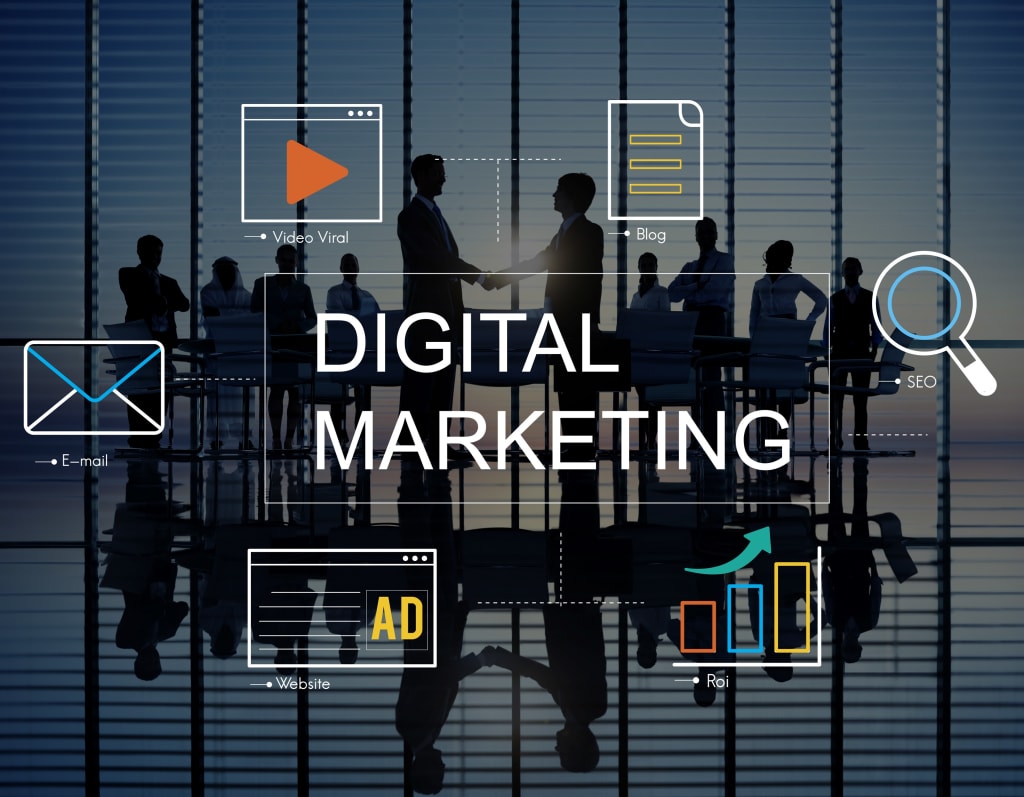
Digital marketing refers to the use of online channels such as websites, social media, search engines, email, and mobile apps to promote products or services.
It allows businesses to reach a global audience, target specific customer segments, and track the effectiveness of campaigns in real-time.
Key components include SEO (Search Engine Optimization), SEM (Search Engine Marketing), content marketing, and social media marketing.
The scope of digital marketing is vast, offering opportunities for brand awareness, lead generation, customer engagement, and sales growth. With the rise of e-commerce and digital platforms, its importance continues to expand.
Understanding Digital Marketing
Digital marketing is a broad term that encompasses all marketing efforts that use the internet or electronic devices. It includes various online channels such as search engines, social media, email, and websites to connect with current and potential customers.
Unlike traditional marketing, which relies on print media and face-to-face interactions, digital marketing leverages technology to create more interactive and measurable campaigns.
At its core, digital marketing aims to promote brands through various online platforms. This can range from social media posts and email newsletters to search engine optimization (SEO) and pay-per-click (PPC) advertising.
The beauty of digital marketing lies in its ability to reach a vast audience at a fraction of the cost of traditional marketing methods.
Key Components of Digital Marketing
Search Engine Optimization (SEO): This is the practice of optimizing your website to rank higher on search engine results pages (SERPs). A higher ranking means more visibility and, consequently, more traffic to your site.
Content Marketing: Creating valuable, relevant content that attracts and engages your audience is vital. This can include blog posts, videos, infographics, and more, all aimed at providing value and building trust.
Social Media Marketing: Platforms like Facebook, Instagram, Twitter, and LinkedIn are powerful tools for engaging with your audience. By creating shareable content and building a community, businesses can foster brand loyalty.
Email Marketing: Despite being one of the older digital marketing strategies, email marketing remains incredibly effective. Sending personalized emails to your subscribers can nurture relationships and drive conversions.
Pay-Per-Click Advertising (PPC): This is a model where advertisers pay each time someone clicks on their ad. Platforms like Google Ads and Facebook Ads allow businesses to target specific demographics and track their campaigns’ effectiveness.
The Scope of Digital Marketing
The scope of digital marketing is vast and continually evolving. Here are some key areas where it’s making a significant impact:
Global Reach: With the internet, businesses can reach customers across the globe. This opens up new markets and opportunities for growth.
Data-Driven Decisions: Digital marketing allows for real-time tracking and analytics, enabling businesses to make informed decisions based on customer behavior and preferences.
Cost-Effectiveness: Compared to traditional marketing, digital marketing can be more affordable, allowing small businesses to compete with larger companies.
Personalization: Digital marketing enables tailored marketing efforts that cater to individual customer needs and preferences, enhancing customer experience.
Career Opportunities: The rise of digital marketing has created a wealth of job opportunities in various fields, from SEO specialists to content creators and social media managers.
Conclusion
Digital marketing involves promoting products or services using digital platforms like social media, search engines, email, and websites.
Its scope includes reaching global audiences, targeting specific demographics, and using analytics to measure success. As businesses shift online, digital marketing's importance grows for driving engagement, increasing sales, and building brand presence.
About the Creator
Enjoyed the story? Support the Creator.
Subscribe for free to receive all their stories in your feed.
Comments
There are no comments for this story
Be the first to respond and start the conversation.