
What is Ai?
Small Introduction to Artificial intelligence
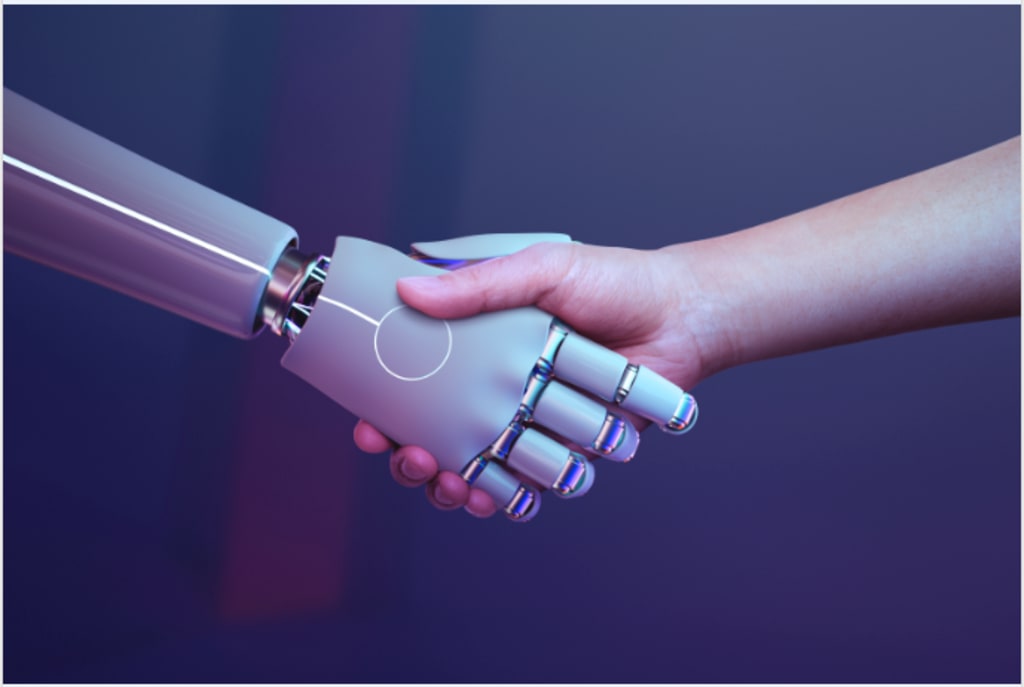
Artificial Intelligence (AI), a transformative force in the realm of technology, encapsulates the ingenuity of human innovation as it seeks to imbue machines with the capacity to mimic and replicate aspects of human intelligence. At its core, AI represents the convergence of computer science, mathematics, and cognitive science, fostering the creation of systems that can perform tasks traditionally requiring human intelligence. The journey of AI unfolds as an extraordinary narrative of human ambition and technological prowess, reshaping the landscape of industries, influencing societal dynamics, and posing profound philosophical questions about the nature of intelligence itself.
AI is a broad umbrella term encompassing a spectrum of capabilities, from basic rule-based systems to advanced machine learning algorithms. At its inception, AI focused on rule-based systems, where explicit instructions were provided to computers to execute tasks. These early systems, while groundbreaking in their time, were limited in their adaptability and lacked the capacity for learning from experience.
The evolution of AI accelerated with the advent of machine learning, a paradigm that empowers systems to learn from data and improve their performance over time. Within the vast expanse of machine learning, a subset known as deep learning has gained prominence. Deep learning leverages neural networks inspired by the human brain, enabling machines to autonomously learn hierarchical representations of data. This breakthrough has fueled advancements in image and speech recognition, natural language processing, and other complex tasks, propelling AI into unprecedented realms of capability.
One of the defining features of AI is its versatility, permeating diverse facets of human existence. In healthcare, AI aids in diagnostics, drug discovery, and personalized medicine, enhancing the precision and efficiency of medical interventions. The ability of AI systems to analyze vast datasets and identify patterns contributes to early disease detection and treatment optimization, potentially revolutionizing the healthcare landscape.
In the realm of business and industry, AI serves as a catalyst for innovation and efficiency. Automated processes, predictive analytics, and intelligent decision-making algorithms optimize operations, driving productivity and competitiveness. AI-powered chatbots and virtual assistants streamline customer interactions, enhancing user experiences and fostering customer satisfaction.
Education, too, undergoes transformation under the influence of AI. Adaptive learning platforms tailor educational content to individual student needs, catering to diverse learning styles and paces. Intelligent tutoring systems provide personalized guidance, supplementing traditional teaching methods and fostering a more inclusive and effective learning environment.
The integration of AI into daily life is most palpable through the proliferation of smart devices and virtual assistants. From voice-activated speakers to AI-driven recommendations on streaming platforms, these technologies leverage machine learning algorithms to understand user preferences, anticipate needs, and deliver personalized experiences. The seamless integration of AI into consumer products exemplifies its role in enhancing convenience and user satisfaction.
However, the ascent of AI is not devoid of challenges and ethical considerations. The ethical dimensions of AI encompass issues such as bias in algorithms, privacy concerns, and the potential impact on employment. Biases embedded in training data can lead to discriminatory outcomes, amplifying existing societal inequities. Safeguarding privacy becomes paramount as AI systems process vast amounts of personal data, prompting discussions about the responsible and transparent use of these technologies.
The question of employment raises profound societal questions as automation and AI-driven technologies alter the employment landscape. While AI has the potential to create new jobs and industries, it also poses challenges in terms of workforce displacement and the need for upskilling and reskilling. Striking a balance between technological progress and societal well-being necessitates thoughtful considerations and proactive measures to mitigate adverse effects.
Philosophically, AI prompts reflections on the nature of consciousness, intelligence, and the relationship between humans and machines. The Turing Test, proposed by Alan Turing, posits the idea that a machine exhibiting intelligent behavior indistinguishable from that of a human could be considered intelligent. Yet, the quest for true machine consciousness remains elusive, sparking debates about the essence of human cognition and the ethical implications of creating sentient entities.
As AI continues to evolve, ethical frameworks and regulations emerge as crucial instruments in guiding its development and deployment. Responsible AI practices involve transparency in algorithmic decision-making, fairness in outcomes, and a commitment to addressing biases. International collaborations and interdisciplinary dialogues foster a collective understanding of the ethical implications of AI, shaping a future where these technologies align with human values and societal well-being.
In conclusion, Artificial Intelligence unfolds as a captivating narrative of human ingenuity and technological progress, permeating diverse facets of society and challenging preconceived notions about intelligence and consciousness. The transformative impact of AI on healthcare, business, education, and daily life underscores its potential to revolutionize the human experience. Yet, the ethical considerations and societal challenges it poses necessitate a thoughtful and responsible approach to ensure that the evolution of AI aligns with the values and aspirations of humanity. As we navigate the complex terrain of AI, the story of our relationship with intelligent machines unfolds, inviting us to contemplate the boundless possibilities and profound responsibilities that accompany the age of artificial intelligence.
About the Creator
Enjoyed the story? Support the Creator.
Subscribe for free to receive all their stories in your feed.
Comments
There are no comments for this story
Be the first to respond and start the conversation.