
What is a Standing Desk
Learn what a standing desk is, how it works, and why it is used. Discover benefits, types, and how it helps improve posture, comfort, and productivity in daily work life.

Most people first hear about standing desks in a very casual way.
A coworker mentions it. A YouTube video shows someone working while standing. Or maybe you start feeling back pain after long hours at your desk and begin searching for alternatives.
At first, it sounds a bit unusual. Why would someone stand to work when sitting is so comfortable?
But the idea behind a standing desk is not about replacing sitting completely. It is about changing how long you stay in one position and giving your body more freedom during work.
In this article, we will break down what a standing desk is, how it works, why people use it, and whether it actually makes a difference in real life.
A standing Desk is Simply a Desk You can Use While Standing
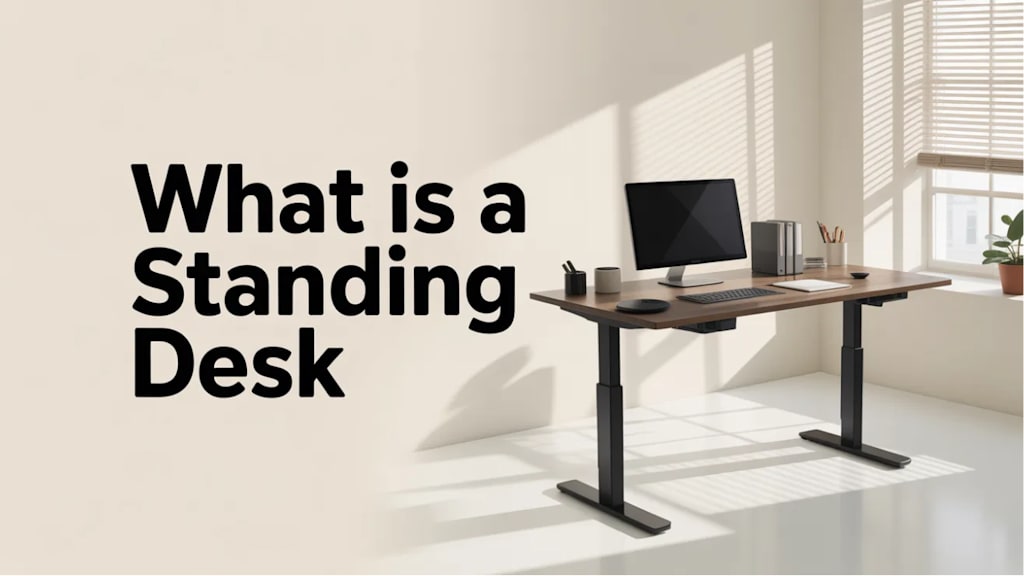
A standing desk is exactly what the name suggests. It is a desk designed so you can work while standing instead of sitting.
Some standing desks are fixed at one height. Others are adjustable, which means you can switch between sitting and standing whenever you want. These are often called **sit-stand desks** or **height-adjustable desks**.
The main idea is simple. Instead of staying seated for hours, you change your posture throughout the day.
That small change has a bigger impact on your body than most people expect.
Why Standing Desks Became Popular
Standing desks did not become popular overnight. They grew out of a bigger concern: how modern work affects our health.
Most office jobs involve long hours of sitting. Over time, researchers and health experts began to notice patterns. People who sit for long periods often report:
- Lower back discomfort
- Neck stiffness
- Reduced energy levels
- Poor posture habits
The problem is not sitting itself. The problem is sitting for too long without movement.
This is where standing desks entered the conversation. They offered a simple idea: instead of staying in one position all day, alternate between sitting and standing.
It sounds small, but even minor movement throughout the day can make a noticeable difference in how your body feels.
How a Standing Desk Works
There are different types of standing desks, but they all follow the same basic principle.
Fixed standing desks
These are desks built at a standing height. You do all your work while standing. They are simple but less flexible.
Adjustable standing desks
These are the most common type today. They allow you to raise or lower the desk based on your preference. You can sit when you want and stand when you feel like it.
Converter standing desks
These are placed on top of an existing desk. You lift or lower the platform to switch between sitting and standing positions.
The goal of all these designs is the same. They help you avoid staying in one position for too long.
Why People Use Standing Desks
People use standing desks for different reasons, but most of them connect to comfort and long-term health.
One of the biggest reasons is reducing long sitting hours. Sitting for too long can make your body feel stiff, especially in the lower back and hips.
Another reason is energy levels. Some people feel more alert when they stand while working because it encourages slight movement and better circulation.
There is also a posture factor. Standing naturally encourages a more upright position, especially when combined with a well-adjusted monitor and keyboard setup.
It is important to note that a standing desk is not a magical solution. It does not automatically fix posture or eliminate discomfort. Instead, it supports better habits.
Are Standing Desks Actually Good for You?
Standing desks can be helpful, but only when used correctly.
Health experts often emphasize that neither sitting nor standing for long periods is ideal on its own. The real benefit comes from movement and variation.
Standing all day can also create problems, such as:
- Leg fatigue
- Foot discomfort
- Lower back strain if posture is poor
This is why most ergonomic advice focuses on balance.
The best approach is not “sit all day” or “stand all day.” It is to switch between the two.
Even small changes every 30 to 60 minutes can help reduce stiffness and improve comfort.
Standing Desk vs Sitting Desk
It is easy to think of standing desks as a replacement for traditional desks, but that is not really the case.
A sitting desk keeps you in one position. A standing desk gives you options.
The biggest difference is flexibility.
With a standing desk, you are not locked into one posture. You can sit when you need focus and comfort, then stand when you feel stiff or tired.
This flexibility is the main reason standing desks have become popular in modern home offices.
What Makes a Good Standing Desk
Not all standing desks are built the same. Some are basic, while others are designed with more thoughtful features.
One of the most important factors is height range. A good standing desk should adjust to both your sitting and standing height comfortably.
Stability also matters. A desk that shakes while typing can quickly become frustrating.
Another important factor is smooth adjustment. Electric standing desks are often preferred because they allow quick and easy height changes without effort.
Finally, workspace size matters. You want enough space for your monitor, keyboard, and daily essentials without feeling cramped.
Standing Desks and Posture
One of the most common reasons people buy standing desks is posture improvement.
Standing naturally encourages a more upright position, but posture still depends on setup.
For example, your screen should be at eye level. Your arms should rest comfortably while typing. Your weight should be evenly distributed between both feet.
If these basics are ignored, even a standing desk will not improve posture much.
Good posture is not about standing straight all the time. It is about reducing unnecessary strain on your body.
Do You Still Need a Chair with a Standing Desk?
Yes, absolutely.
A standing desk is not meant to replace a chair. It works alongside one.
Even with a standing desk, you will still spend a significant amount of time sitting. That means your chair still matters.
Many people pair standing desks with an ergonomic chair so they can switch between sitting and standing comfortably throughout the day.
This combination is often considered the most balanced setup for long working hours.
Who Should Use a Standing Desk?
Standing desks are not only for a specific type of worker.
They are useful for:
- Remote workers
- Office employees
- Students
- Creatives and designers
- Anyone working long hours at a desk
However, they are especially helpful for people who feel stiff or fatigued after sitting for long periods.
If you find yourself constantly adjusting your position or feeling uncomfortable after a few hours, a standing desk might be worth trying.
Common Mistakes People Make with Standing Desks
One common mistake is standing too long without breaks. This can lead to foot and leg fatigue.
Another mistake is poor setup. If your screen is too low or too high, it can create neck strain even while standing.
Some people also forget to alternate positions. The real benefit of a standing desk comes from switching between sitting and standing, not choosing one permanently.
Finally, many people underestimate footwear. Standing for long periods on hard floors without proper support can quickly become uncomfortable.
Final thoughts
A standing desk is not a trend or a productivity hack. It is a simple tool designed to help you move more during the day.
The real value is not in standing itself but in breaking the pattern of sitting for too long without change.
When used correctly, a standing desk can help reduce stiffness, improve energy levels, and support better posture habits.
But like any workspace tool, it works best when combined with awareness. Changing positions, adjusting your setup, and listening to your body are what make the real difference.
In the end, a standing desk is not about standing instead of sitting. It is about giving your body the freedom to do both.
About the Creator
Saif
Exploring different parts of life.
Enjoyed the story? Support the Creator.
Subscribe for free to receive all their stories in your feed.
Comments
There are no comments for this story
Be the first to respond and start the conversation.