
What is a Logistics Course?
Wingsway Training Institute Provides the Best Logistics course in Dubai
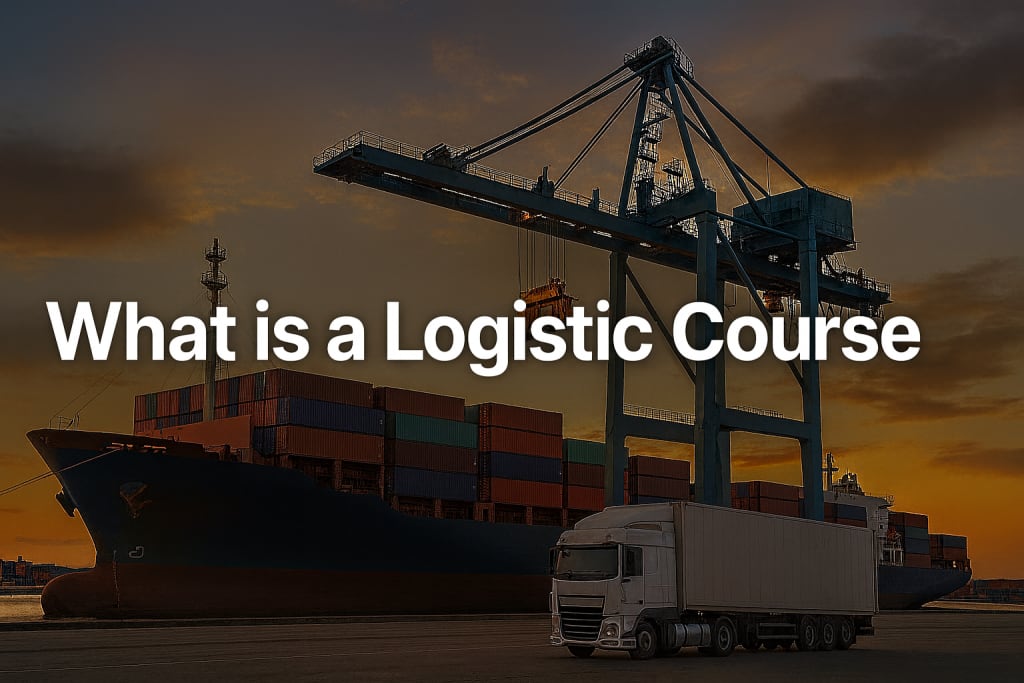
In today's interconnected global economy, the efficient movement of goods, services, and information forms the backbone of successful businesses. A logistics course provides comprehensive education on the strategic planning, implementation, and management of these complex operations. Understanding what constitutes a logistics course is essential for professionals seeking to advance their careers in this dynamic and rapidly growing field.
The logistics industry has evolved dramatically over the past decade, driven by technological advancements, changing consumer expectations, and global trade dynamics. This evolution has created unprecedented demand for skilled logistics professionals who can navigate complex supply networks, optimize operations, and drive strategic business outcomes.
Understanding the Fundamentals of Logistics Education
A logistics course encompasses the systematic study of planning, implementing, and controlling the efficient flow of goods, services, and related information from point of origin to point of consumption. These educational programs are designed to equip students with both theoretical knowledge and practical skills necessary to excel in various logistics and transportation roles.
Modern logistics education integrates multiple disciplines including operations management, transportation economics, technology applications, and strategic planning. Students learn to analyze complex supply networks, identify optimization opportunities, and implement solutions that enhance operational efficiency while reducing costs.
The curriculum typically covers essential areas such as inventory management, warehouse operations, transportation planning, distribution strategies, and international trade procedures. Advanced programs also incorporate emerging technologies like artificial intelligence, automation, and data analytics that are transforming the logistics landscape.
Core Components of Professional Logistics Training
Professional logistics training programs are structured to provide comprehensive coverage of industry-relevant topics and practical applications:
Transportation Management Systems
- Multi-modal transportation planning and execution
- Route optimization and carrier selection strategies
- Freight cost management and contract negotiation
- Performance monitoring and continuous improvement methodologies
Warehouse and Distribution Operations
- Facility design and layout optimization
- Inventory control and management techniques
- Order fulfillment and picking strategies
- Quality control and safety protocols
Supply Chain Integration
- Supplier relationship management principles
- Demand forecasting and planning methodologies
- Risk management and contingency planning
- Performance measurement and KPI development
Technology and Innovation
- Enterprise resource planning (ERP) systems
- Warehouse management systems (WMS)
- Transportation management systems (TMS)
- Emerging technologies in logistics automation
Global Trade and Compliance
- International shipping regulations and procedures
- Customs documentation and clearance processes
- Trade compliance and security requirements
- Cultural considerations in global logistics
Specialized Areas Within Logistics Education
The field of logistics encompasses numerous specialized areas, each requiring specific knowledge and skills:
A logistics and transport course provides focused education on the movement of goods across various transportation modes. This specialization covers intermodal transportation, fleet management, route optimization, and regulatory compliance. Students learn to coordinate complex transportation networks while ensuring timely and cost-effective delivery of goods.
These specialized programs often include practical components such as case study analysis, simulation exercises, and industry project work. Participants develop skills in transportation planning, carrier management, and performance optimization that are directly applicable to real-world logistics challenges.
Integration with Procurement and Supply Chain Management
Modern logistics education increasingly integrates with broader supply chain management concepts. Procurement courses complement logistics training by providing essential knowledge about sourcing strategies, supplier selection, contract management, and vendor relationship development.
The merging of procurement and logistics education demonstrates the linked characteristics of supply chain operations. Students learn how procurement decisions directly impact logistics performance, including inventory levels, storage requirements, transportation needs, and overall supply chain efficiency.
This integrated approach prepares professionals to think strategically about end-to-end supply chain optimization rather than focusing solely on logistics operations in isolation. The combination enables graduates to contribute more effectively to organizational objectives and advance more rapidly in their careers.
Comprehensive Supply Chain Education Programs
Supply chain courses provide the broadest perspective on logistics operations within the context of overall business strategy. These programs integrate logistics, procurement, manufacturing, and customer service elements to provide holistic understanding of supply chain management.
Students in comprehensive supply chain programs learn to analyze entire value networks, identify optimization opportunities across functional boundaries, and develop integrated solutions that enhance overall performance. This broad perspective is increasingly valuable as organizations seek professionals capable of managing complex, multi-faceted supply chain challenges.
The curriculum typically includes strategic planning, process improvement, performance measurement, risk management, and change management components. Graduates are prepared for senior management roles requiring both technical expertise and strategic thinking capabilities.
Professional Certifications and Industry Recognition
Professional certifications play a crucial role in logistics education, providing industry-recognized validation of knowledge and skills. The CIPS (Chartered Institute of Procurement & Supply) certification represents one of the most prestigious credentials in procurement and supply chain management.
CIPS certification programs are designed to develop expertise in procurement strategy, supplier relationship management, contract management, and category management. These qualifications are highly valued by employers and provide significant career advancement opportunities for qualified professionals.
Leading training institutions like Wingsway Training Institute offer comprehensive CIPS preparation programs that combine theoretical instruction with practical application. These programs are designed to maximize success rates while providing practical skills that enhance job performance immediately.
Career Opportunities and Industry Demand
The logistics industry offers diverse career opportunities across various sectors and functional areas:
Transportation and Distribution Management
- Transportation planning and coordination
- Fleet management and optimization
- Distribution network design and management
- Last-mile delivery strategy development
Warehouse and Operations Management
- Facility operations and process optimization
- Inventory management and control
- Quality assurance and compliance management
- Team leadership and performance management
Supply Chain Analysis and Planning
- Demand forecasting and planning
- Supply chain network optimization
- Performance analysis and improvement
- Strategic planning and project management
International Trade and Logistics
- Global supply chain coordination
- Import/export operations management
- Customs brokerage and trade compliance
- International transportation planning
Logistics Technology and Innovation
- Systems implementation and management
- Process automation and digitization
- Data analysis and business intelligence
- Innovation strategy and change management
The Role of Leading Training Institutions
Institutions like Wingsway Training Institute play a vital role in developing logistics professionals through comprehensive educational programs. As an ISO-certified and KHDA-approved training provider, Wingsway offers world-class logistics education that meets international standards while addressing regional market needs.
Wingsway's logistics programs are distinguished by their practical focus, industry relevance, and comprehensive coverage of essential topics. The institute's partnerships with internationally recognized certification bodies like CILT (Chartered Institute of Logistics & Transport) ensure that graduates receive globally recognized qualifications that enhance their career prospects.
The institute's commitment to excellence is reflected in multiple industry awards, including recognition as the 'Best Training Institute' for Aviation, Travel & Tourism, and Cargo & Logistics courses. This recognition serves to validate the quality and effectiveness of their educational programs.
Learning Methodologies and Program Delivery
Modern logistics education employs diverse learning methodologies to accommodate different learning styles and professional requirements:
Traditional Classroom Instruction
- Face-to-face lectures and discussions
- Interactive workshops and group projects
- Case study analysis and problem-solving exercises
- Expert guest speakers and industry presentations
Blended Learning Approaches
- Combination of online and classroom instruction
- Flexible scheduling to accommodate working professionals
- Self-paced learning modules with instructor support
- Virtual collaboration tools and platforms
Practical Application Components
- Industry simulation exercises
- Real-world project work
- Internship and placement opportunities
- Site visits and field experiences
Technology-Enhanced Learning
- Online learning platforms and resources
- Virtual reality training simulations
- Mobile learning applications
- Interactive multimedia content
Industry Trends Shaping Logistics Education
Several key trends are influencing the evolution of logistics education:
Digital Transformation
- Integration of AI and machine learning concepts
- Blockchain technology applications
- Internet of Things (IoT) implementation
- Robotic process automation
Sustainability and Green Logistics
- Environmental impact assessment
- Carbon footprint reduction strategies
- Sustainable packaging and transportation
- Circular economy principles
Customer-Centric Approaches
- Last-mile delivery optimization
- Customer experience management
- Omnichannel fulfillment strategies
- Real-time tracking and communication
Globalization and Complexity
- Multi-modal transportation coordination
- Cross-border regulatory compliance
- Cultural competency development
- Risk management in global supply chains
Benefits of Professional Logistics Training
Investing in professional logistics training provides numerous benefits for individuals and organizations:
Individual Career Benefits
- Enhanced job prospects and earning potential
- Improved technical knowledge and practical skills
- Professional networking opportunities
- Industry recognition and credibility
Organizational Benefits
- Improved operational efficiency and cost reduction
- Enhanced service quality and customer satisfaction
- Better risk management and compliance
- Increased competitive advantage
Industry Benefits
- Standardization of best practices
- Knowledge sharing and innovation
- Professional development and retention
- Overall industry advancement
Choosing the Right Logistics Training Program
Selecting an appropriate logistics training program requires careful consideration of several factors:
Program Accreditation and Recognition
- Industry certification alignment
- International recognition and transferability
- Employer acceptance and preference
- Alumni success and career progression
Curriculum Relevance and Comprehensiveness
- Current industry practices and trends
- Technology integration and innovation
- Practical application opportunities
- Specialized area coverage
Faculty Expertise and Experience
- Industry background and credentials
- Teaching effectiveness and methodology
- Research and thought leadership
- Professional network and connections
Learning Support and Resources
- Access to industry databases and tools
- Career guidance and placement assistance
- Networking opportunities and alumni network
- Continuing education and update programs
Conclusion: The Future of Logistics Education
Logistics courses represent essential education for professionals seeking success in today's complex global economy. These programs provide the knowledge, skills, and credentials necessary to excel in various logistics and supply chain roles while contributing to organizational success and industry advancement.
The integration of traditional logistics principles with emerging technologies, sustainability considerations, and customer-centric approaches ensures that modern logistics education remains relevant and valuable. Leading institutions like Wingsway Training Institute continue to evolve their programs to meet changing industry needs while maintaining the highest standards of educational excellence.
As global trade continues to expand and supply chains become increasingly complex, the demand for qualified logistics professionals will continue to grow. Committing to comprehensive logistics education with reputable training providers is a strategic career choice that offers significant long-term benefits and opportunities for professional growth in this exciting and rewarding domain.
About the Creator
sadiq wingsway
Dedicated educational promoter, passionate about guiding learners toward growth, skill development, and career success through impactful courses, training, and certifications.
Enjoyed the story? Support the Creator.
Subscribe for free to receive all their stories in your feed.
Comments
There are no comments for this story
Be the first to respond and start the conversation.