
What is a Fume Hood?
What is Fume Hood? A Clear Guide to Its Role, Functions, and Safe Usage in Laboratories

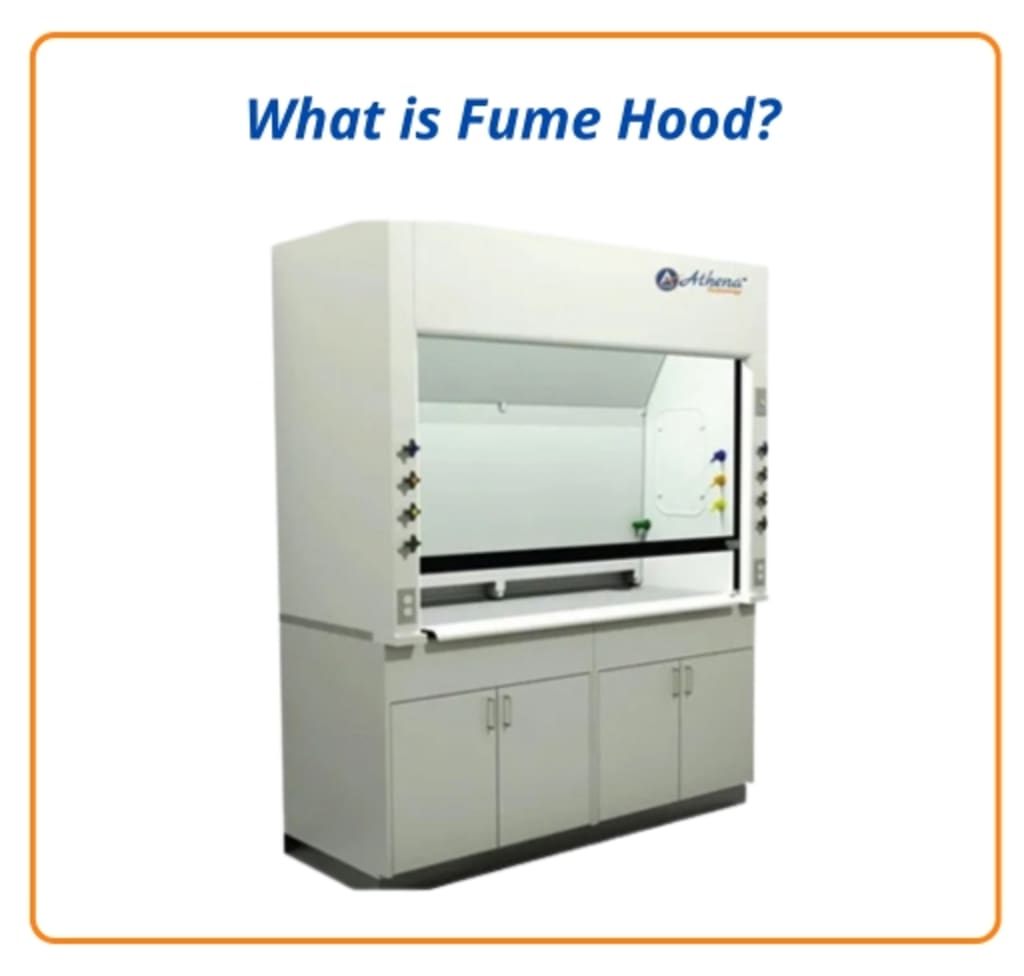
A fume hood is a vital component in laboratory safety. It functions as a ventilated enclosure that captures and filters harmful vapors, gases, and airborne particles produced during chemical experiments. For laboratories dealing with hazardous substances, a fume hood is not optional it is a basic necessity for protecting users and maintaining a controlled working environment.
While the equipment itself may appear simple, the underlying engineering supports precise airflow, consistent pressure balance, and containment of toxic emissions. Whether in an academic lab, a pharmaceutical company, or an industrial testing facility, the purpose remains the same safety through ventilation.
Understanding How a Fume Hood Works
The primary function of a laboratory fume hood is to maintain a barrier between the operator and the hazardous material. It does this by pulling air from the lab into the hood’s interior and either venting it outside through a duct (ducted hood) or recirculating it through filters (ductless hood). The air movement prevents exposure to harmful substances.
The airflow speed, known as face velocity, plays a critical role in performance. Low face velocity can result in insufficient capture of contaminants, while high velocity may disturb airflow patterns, leading to turbulence and leakage. This balance requires careful calibration.
Modern systems are designed with airflow monitors, sash sensors, and alarms to alert users if operational conditions become unsafe. These systems are the product of tested engineering, not cosmetic addons.
Fume Hood Functions That Matter
Key fume hood functions include:
- Containment: Ensures that vapors and dust remain within the enclosure.
- Exhaust: Draws contaminated air away from users.
- Filtration (in ductless hoods): Removes toxins before air re-enters the lab.
- Splash and explosion protection: Shields against sudden reactions or chemical bursts.
Common Fume Hood Uses
The uses of a fume hood extend across different sectors:
- Educational laboratories: Chemistry and biology experiments often produce fumes that require safe handling.
- Pharmaceutical labs: Handling of solvents, active pharmaceutical ingredients, and synthesis by-products.
- Chemical manufacturing: Where strong acids, bases, and volatile organic compounds are in use.
- Forensics and pathology: Prevents exposure to hazardous biological or chemical materials.
What to Look for in a Fume Hood? Practical Buying Tips
Choosing the right fume hood depends on the application, lab layout, and type of chemicals handled. When considering purchase, the following factors should guide the decision:
- Type: Ducted hoods for high-volume exhaust, ductless hoods for flexible placement.
- Material: Interior construction must withstand chemical exposure (e.g., stainless steel, epoxy-coated steel, or polypropylene).
- Sash type: Vertical or horizontal sliding panels that control opening size and operator access.
- Airflow monitoring: Real-time alerts on unsafe conditions.
- Size and clearance: Should match bench size and allow safe arm movement.
- Energy efficiency: Reduced operational costs over time.
These are not optional features they define whether the equipment can fulfill its safety role. Manufacturers typically specify whether their systems meet ASHRAE 110 or EN 14175 standards, which verify containment performance under test conditions.
When evaluating fume hood buying tips: what to look for in a fume hood?, consider not just price, but reliability, maintainability, and support.
Choosing a Trustworthy Fume Hood Supplier in India
The quality of a fume hood often depends on the expertise of the manufacturer or supplier. A well informed fume hood supplier in India will not only deliver compliant products but also provide technical insight into installation and maintenance.
Athena Technology is one such provider. As a leading laboratory equipment supplier in India, the company delivers precision engineered systems designed for a range of scientific and industrial needs. Their catalogue includes a full line of lab instruments, with a focus on durability, performance, and ease of use.
Working with an experienced supplier ensures proper documentation, training, and long-term support all of which are essential for operational safety.
Maintenance and Operational Guidelines
Routine maintenance impacts both performance and safety. Key actions include:
- Airflow testing: Face velocity should be checked quarterly.
- Filter checks and replacements: Applicable for ductless hoods using carbon or HEPA filters.
- Sash positioning: Should be operated within recommended height limits to optimize airflow.
- Cleaning protocols: Interior surfaces must be wiped with compatible solvents to remove residues.
FAQs
Q1.What is a fume hood used for in chemistry labs?
Answer: It captures and contains hazardous vapors to prevent inhalation and protect the workspace.
Q2.Is a fume hood necessary for every laboratory?
Answer: Labs that use volatile or toxic chemicals must have one. It is not required in dry labs with no chemical hazards.
Q3.How do I know if my fume hood is functioning properly?
Answer: Airflow monitors and regular testing with tracer gas or smoke indicate operational status.
Q4.Can fume hoods be used for radioactive materials?
Answer: Not unless they are specially designed. Standard models are unsuitable for radioactive applications.
Q5.What’s the difference between ducted and ductless fume hoods?
Answer: Ducted hoods expel air outdoors, while ductless hoods use filters and recirculate air back into the lab.
Q6.Who are the leading fume hood suppliers in India?
Answer: Athena Technology is recognized for producing high-quality lab instruments and safety systems tailored to Indian labs.
Q7.Do fume hoods need to run all the time?
Answer: For active experiments, yes. In standby mode, airflow can be reduced to conserve energy, depending on the system.
Conclusion
A fume hood is not just another piece of equipment. It is a safety barrier that ensures protection against chemical hazards, supports regulatory compliance, and contributes to a healthier workspace. Understanding the right specifications, knowing the types available, and selecting a reliable fume hood supplier in India such as Athena Technology allows laboratories to operate with confidence. Every component from the sash to the exhaust system serves a defined purpose rooted in safety engineering.
When properly installed and maintained, the laboratory fume hood becomes an integral part of a responsible and well managed lab environment.
About the Creator
Athena Technology
Athena Technology: Leading hydrogen generator manufacturers, delivering innovative and reliable solutions for your energy needs.
Enjoyed the story? Support the Creator.
Subscribe for free to receive all their stories in your feed.
Comments
There are no comments for this story
Be the first to respond and start the conversation.