
What If We Used the Full Capacity of Our Brains?
"Unlocking the Untapped Potential: Exploring the Myth of Brain Capacity"
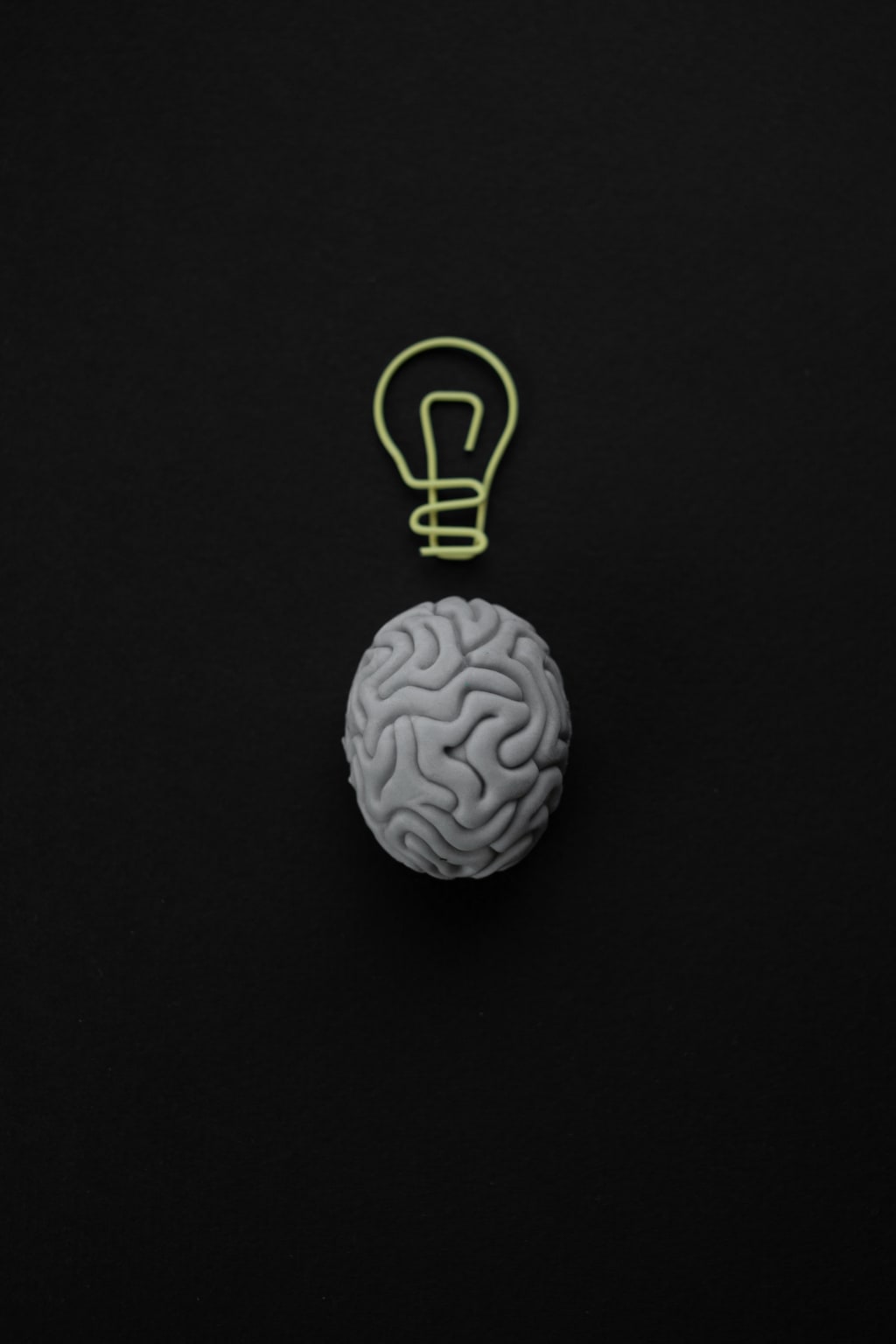
While the concept of using the full capacity of our brains sounds intriguing, it’s important to address the prevailing myth associated with this idea. The notion that humans only use a small percentage of their brains is a misconception. In reality, we use virtually all parts of our brain, albeit not simultaneously or at their maximum potential at all times. However, if we were to somehow unlock or enhance the brain's full potential, it's a complex scenario with multifaceted implications.
The brain is a marvelously intricate organ, controlling everything we do, think, and feel. Enhancing its capabilities could have profound effects on our cognitive abilities, emotions, and physical well-being. One possible implication is heightened cognitive function. This could mean quicker learning, enhanced memory, and improved problem-solving abilities. Imagine learning new languages in record time or having an encyclopedic memory at your disposal. Such capabilities could revolutionize education and accelerate technological advancements.
Additionally, heightened brain capacity might lead to increased creativity and innovation. Imagine individuals being able to think more expansively, tapping into novel ideas and solutions. This could lead to breakthroughs in science, art, and technology, potentially solving complex global issues, from climate change to healthcare challenges.
However, with increased cognitive abilities, there might also be downsides. The brain’s immense capacity could result in sensory overload. Heightened awareness and sensitivity might lead to an overwhelming influx of information, potentially causing mental fatigue, stress, or even neurological disorders. Furthermore, if not properly managed, an overactive brain could lead to heightened anxiety or other mental health issues as the brain struggles to cope with the constant influx of information.
Physiologically, such an intense level of brain activity could demand a higher metabolic rate. The brain consumes a significant amount of energy already, and an increase in its functions could mean an elevated need for nutrients and oxygen. While the brain is a highly adaptable organ, pushing it to its limits might lead to a higher risk of exhaustion or metabolic imbalances.
In terms of the physical body, an overactive brain might influence other bodily functions. For instance, the autonomic nervous system, responsible for regulating automatic bodily processes like heart rate, breathing, and digestion, might be influenced. It could lead to alterations in these functions, potentially causing irregularities or imbalances in the body.
Moreover, with heightened brain activity, sleep patterns might be affected. Quality sleep is crucial for brain health and overall well-being. An overactive brain could disrupt the natural sleep-wake cycle, leading to sleep disturbances or insomnia, which could have cascading effects on both mental and physical health.
While discussing the consequences of using the full capacity of our brains, it’s essential to acknowledge that the brain's full potential is a complex and somewhat abstract concept. The human brain is already incredibly efficient and versatile. It operates at different levels throughout the day, adjusting to the tasks at hand. Utilizing the entire brain simultaneously might not be feasible or even advantageous, as it might lead to a chaotic and overwhelming cognitive experience.
In reality, the brain operates on a system of checks and balances, optimizing various functions when needed. Evolution has crafted the brain's operations to be efficient and balanced. Enhancing its capabilities beyond their natural limits might upset this delicate equilibrium.
In conclusion, while the idea of utilizing the full capacity of our brains sparks curiosity and wonder, it’s crucial to approach it with a realistic perspective. The brain’s potential is vast, and while advancements in cognitive enhancement are exciting, careful consideration and ethical implementation are necessary to ensure a harmonious balance between cognitive advancement and the overall well-being of individuals.
About the Creator
Enjoyed the story? Support the Creator.
Subscribe for free to receive all their stories in your feed.
Comments
There are no comments for this story
Be the first to respond and start the conversation.