
What are the typical profit margins in dropshipping?
margin in dropshipping
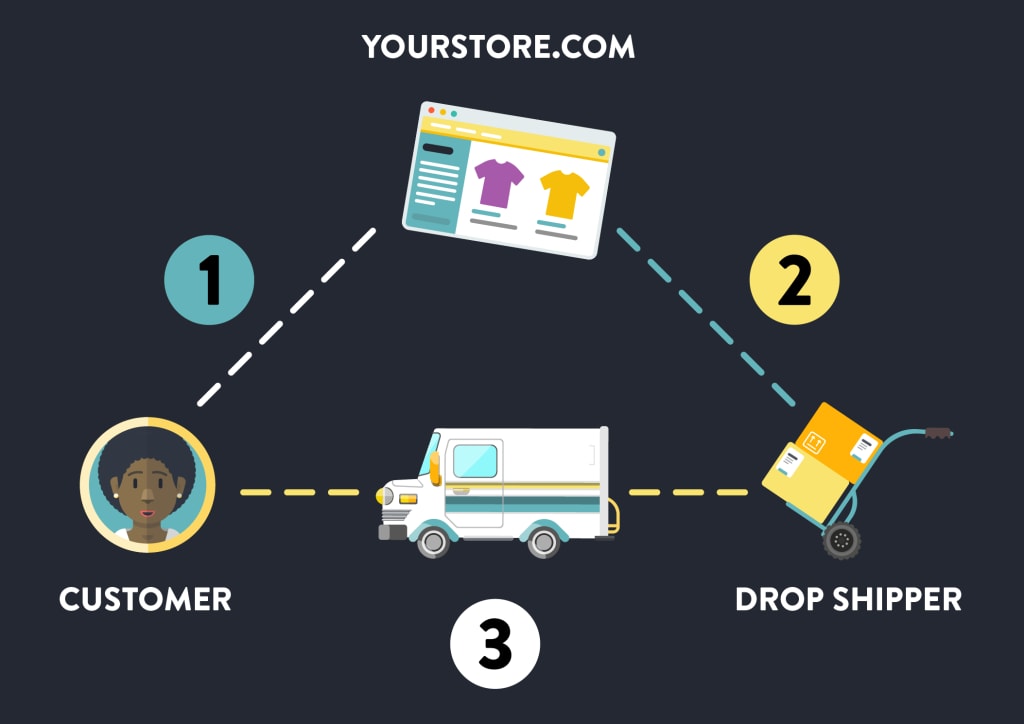
Dropshipping has become very popular in recent years. It's a flexible way to start an online business with low costs. But, how much profit can you make from it? We'll look into the usual profit margins in dropshipping. We'll also talk about what affects these margins and how to make more money.
Key Takeaways
- Dropshipping profit margins usually range from 15% to 45%. The higher end is more common for unique products.
- Many things can change how much profit you make. These include product prices, competition, and costs.
- To make more money, finding good products, setting the right prices, and managing costs well are key.
- Dropshipping can be more profitable than traditional retail. But, you need to keep your operations efficient to stay profitable.
- Knowing your market, competition, and pricing is crucial. It helps set realistic profit goals in dropshipping.
Understanding Dropshipping Profit Margins
Profit margins are key to success in ecommerce, especially in dropshipping. They show how much money a business makes after buying and selling a product. It's about the selling price minus the cost to get and deliver the product.
Defining Profit Margins in Ecommerce
Profit margin is the percentage of money a business keeps after paying for goods sold. For dropshipping, this includes the price paid to the supplier and shipping costs. By managing these, businesses can improve their ecommerce profit margins and make more money.
Key Factors Affecting Dropshipping Profits
Several things can change factors affecting dropshipping profits in ecommerce. These include:
- Product pricing and how it compares to others
- What suppliers charge and the wholesale prices
- Shipping costs and how fast products arrive
- Spending on marketing and getting new customers
- How well inventory is managed and orders are filled
By watching these closely and making smart changes, dropshipping businesses can boost their defining profit margins. This leads to lasting profits.
Factor
Impact on Profit Margins
Product Pricing
Higher prices can increase profit margins, but must balance with market competitiveness
Supplier Costs
Lower wholesale prices from suppliers directly boost profit margins
Shipping Fees
Efficient shipping processes and negotiated rates can reduce fulfillment costs
Marketing Expenses
Effective marketing strategies can increase sales and customer acquisition, improving overall profitability
Dropshipping Profit Margins by Industry
Dropshipping profit margins vary a lot based on the industry and product type. Knowing the typical profit margins in different sectors is key for entrepreneurs. It helps them find the best products to sell and make smart choices.
In the electronics industry, profit margins are usually low, between 10% and 20%. This is because the market is very competitive. On the other hand, the home goods sector often has higher margins, between 20% and 30%. This is because people are willing to pay more for unique and quality items.
The apparel industry is also promising for dropshippers, with margins between 15% and 25%. This is because clothes can be bought at good wholesale prices. Then, they can be sold at a higher price to customers looking for stylish and affordable clothes.
Industry
Typical Dropshipping Profit Margins
Electronics
10% - 20%
Home Goods
20% - 30%
Apparel
15% - 25%
Beauty and Personal Care
25% - 35%
Toys and Games
18% - 28%
Remember, these are just general ranges. The actual profit margins can change based on many factors. These include competition, product pricing, and the specific niche within each industry. By doing thorough research and analysis, dropshippers can find the most profitable opportunities and increase their earnings.
Strategies to Maximize Dropshipping Profits
Dropshipping has become a big deal in e-commerce. It's a flexible way for entrepreneurs to make money. But, to really make a profit, you need to find good deals on products and set the right prices.
Sourcing Products at Competitive Prices
Finding products at low wholesale prices is key to making more money. You can get better deals by talking to suppliers and choosing the right ones. This way, you can save money and make more profit.
- Do your homework to find the best suppliers for your products.
- Work with suppliers to get the best prices, using your big orders or special offers.
- Keep an eye on prices and switch suppliers if you can get a better deal.
Pricing Strategies for Higher Margins
Setting the right prices is also important for making more money. You want to be affordable but still make a profit. This balance helps you earn more while keeping customers happy.
- Learn about your market and what customers are willing to pay.
- Try out different pricing methods to find what works best for you.
- Check your prices often and change them if needed to stay ahead.
By using these strategies, entrepreneurs can do well in the e-commerce world. Finding good deals and setting smart prices can help you succeed and beat your rivals.
The Impact of Operational Costs on Profits
Running a successful dropshipping business is more than just finding good deals on products. It also means managing your operational costs well. Knowing your fixed and variable costs helps you make smart choices and keep your profits up.
Analyzing Fixed and Variable Expenses
In dropshipping, costs fall into two groups: fixed and variable. Fixed expenses stay the same, like website hosting and software fees. Variable expenses change with how much you sell, like shipping and marketing.
Keeping track of these costs is key to making more money. By understanding how they affect your profits, you can set better prices and run your business more efficiently.
Expense Type
Examples
Impact on Dropshipping Profits
Fixed Expenses
Website hosting
Domain registration
Software subscriptions
Business licenses and permits
Fixed expenses stay the same, no matter how much you sell. Managing them well can boost your profits.
Variable Expenses
Payment processing fees
Packaging and shipping costs
Marketing and advertising
Supplier costs
Variable expenses change with sales. Cutting these costs can directly increase your profits.
Understanding your operational costs and their effect on profits helps you run a better business. This knowledge lets you make choices that boost your earnings.
Dropshipping vs. Traditional Retail: A Margin Comparison
Exploring dropshipping's profit potential requires understanding its differences from traditional retail. Dropshipping offers a flexible and scalable approach to ecommerce. Yet, its profit margins vary from those in traditional retail.
Dropshipping businesses usually have higher profit margins than traditional retail stores. This is because dropshipping has lower overhead costs. For example, there's no need for inventory management or physical space. Entrepreneurs can focus more on marketing and customer service, keeping their operations lean and profitable.
On the other hand, traditional retail stores have higher fixed costs. These include rent, utilities, and staffing. These costs can reduce profit margins, making it essential for retailers to manage their pricing and inventory well. Despite this, traditional retail offers benefits like increased brand visibility and a more engaging shopping experience.
FAQ
What are the typical profit margins in dropshipping?
Dropshipping profit margins can change a lot. They depend on the industry and product type. Most businesses see margins between 15-30%. But, some products can have even higher margins.
What key factors affect dropshipping profits?
Several things can change dropshipping profits. These include product prices, supplier costs, shipping fees, and marketing costs. Also, operational costs play a big role. Managing these well can help increase earnings.
How do dropshipping profit margins compare to traditional retail?
Dropshipping usually has higher profit margins than traditional retail. Traditional retail margins are often 10-20%. Dropshipping's lower costs and no inventory needs make it more profitable. But, traditional retail might offer better customer service.
What are some strategies to maximize dropshipping profits?
To increase dropshipping profits, find products at good wholesale prices. Use smart pricing and cut down on costs. Also, use data to improve marketing. These steps can help boost margins and profits.
How do fixed and variable expenses impact dropshipping profits?
Both fixed and variable costs can affect dropshipping profits. Fixed costs are things like website hosting. Variable costs are marketing and ads. Keeping these costs low is key to maintaining good profit margins.
What are typical profit margins by industry in dropshipping?
Profit margins vary by industry in dropshipping. Electronics, home goods, and beauty products often have 20-30% margins. But, industries like apparel and toys might only see 10-15% profits.
About the Creator
Enjoyed the story? Support the Creator.
Subscribe for free to receive all their stories in your feed.
Comments
There are no comments for this story
Be the first to respond and start the conversation.