
What Are the Different Types of Vaginal Rejuvenation Procedures?
Vaginal Rejuvenation Procedures

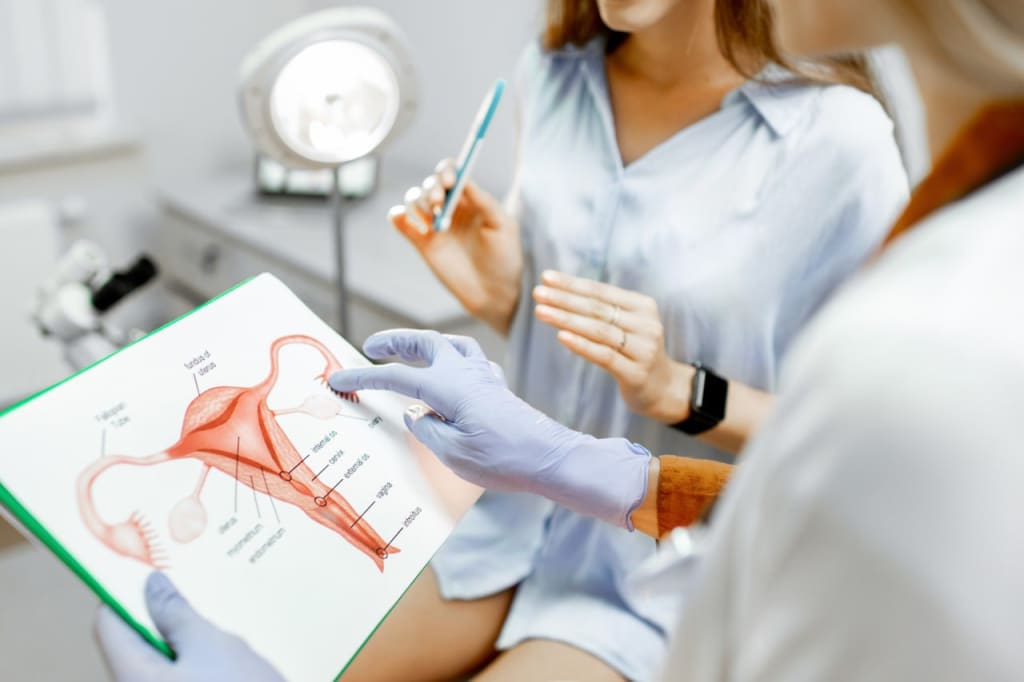
In recent years, vaginal rejuvenation procedures have become increasingly common, both for medical reasons and aesthetic enhancement. While some people associate the term with surgery, vaginal rejuvenation is actually an umbrella term that includes both surgical and non-surgical techniques aimed at improving vaginal function, appearance, and comfort.
Whether due to childbirth, aging, hormonal changes, or personal preference, many women explore these procedures to restore confidence, address discomfort, or improve pelvic health. In this article, we’ll explore the various types of vaginal rejuvenation procedures, their purposes, and what makes each one unique.
Understanding Vaginal Rejuvenation
Vaginal rejuvenation encompasses a variety of treatments designed to:
● Improve vaginal tightness or muscle tone
● Alleviate urinary incontinence
● Address labial asymmetry or discomfort
● Enhance sexual function and sensitivity
● Improve the overall appearance of the genital area
These procedures can be medically necessary (especially post-childbirth or surgery) or elective for aesthetic preferences. Let’s break them down into surgical and non-surgical options.
Surgical Vaginal Rejuvenation Procedures
1. Vaginoplasty
Perhaps the most well-known vaginal rejuvenation surgery, vaginoplasty is performed to tighten the vaginal muscles and restore strength and elasticity. It is commonly sought after childbirth or in older patients experiencing vaginal laxity.
✅ Benefits: Enhanced vaginal tone, improved sexual satisfaction, and in some cases, relief from urinary incontinence due to better support for the bladder and urethra.
2. Labiaplasty
This procedure focuses on the labia minora or labia majora (the outer and inner folds of skin around the vaginal opening).
Women may opt for labiaplasty for aesthetic reasons or due to discomfort during exercise, intercourse, or while wearing tight clothing.
✅ Benefits: Enhanced appearance, reduced physical irritation, and improved confidence.
3. Clitoral Hood Reduction
This is a targeted procedure aimed at removing excess skin over the clitoris, improving both appearance and sensitivity.
✅ Benefits: Increased sexual pleasure, better hygiene, and more symmetrical genital aesthetics.
4. Monsplasty
Monsplasty is designed to reduce fat and excess tissue in the mons pubis, the area above the pubic bone. It’s commonly chosen by women who feel self-conscious about a bulging appearance in tight clothing.
✅ Benefits: Flatter, more contoured pubic area and improved aesthetic symmetry.
5. Vulvoplasty
This involves the reshaping or reconstructing of the vulva, which may be done for medical reasons (congenital conditions, trauma, or disease) or cosmetic purposes.
✅ Benefits: Functional correction, enhanced appearance, and improved quality of life.
6. Perineoplasty
Focusing on the perineum (the area between the vaginal opening and the anus), perineoplasty is often performed after childbirth injuries or to improve sexual function.
✅ Benefits: Strengthened perineal muscles, restored vaginal opening tone, and improved support for pelvic organs.
Non-Surgical Vaginal Rejuvenation Procedures
For those hesitant about undergoing surgery, non-invasive options offer excellent alternatives with minimal downtime and fewer risks.
1. CO₂ Laser Therapy
This treatment uses controlled laser energy to heat the vaginal tissue, encouraging collagen production and tightening the area.
✅ Benefits: Improved elasticity, reduced dryness, better lubrication, and enhanced sexual function.
2. Radiofrequency (RF) Therapy
RF treatments deliver electromagnetic waves deep into the vaginal tissue to stimulate collagen and elastin production.
✅ Benefits: Increased firmness, reduced urinary leakage, and improved sensation.
3. Platelet-Rich Plasma (PRP) Injections
This cutting-edge therapy involves using the patient’s own platelet-rich plasma, injected into the vaginal or clitoral area to promote tissue regeneration and increased blood flow.
✅ Benefits: Improved sexual satisfaction, natural healing, and enhanced sensitivity.
Medical vs. Aesthetic Considerations
While vaginal rejuvenation is sometimes criticized for being purely cosmetic, many women pursue these treatments to resolve genuine health concerns, such as:
● Postpartum muscle laxity
● Urinary incontinence
● Scarring from episiotomies or surgeries
● Discomfort during physical activity
Others may simply want to feel more confident and comfortable in their bodies. Whatever the reason, vaginal rejuvenation can have life-changing physical and emotional benefits — provided it’s done under the care of a qualified medical professional.
The Importance of Expert Training
Due to the delicate nature of these procedures, expertise is critical. From precision surgery to the application of high-tech lasers, successful vaginal rejuvenation relies on a deep understanding of pelvic anatomy, aesthetics, and patient care.
At StudyVAGINALSURGERY, we offer comprehensive, hands-on vaginal surgery training designed for OB-GYNs and surgical professionals.
Our vaginal surgery courses cover both foundational and advanced techniques, ensuring practitioners are equipped to meet today’s growing demand for vaginal rejuvenation.
Final Thoughts
Vaginal rejuvenation procedures — whether surgical or non-surgical — serve an important role in modern gynecological care. They provide relief from medical issues, improve functionality, and help women reclaim confidence in their bodies.
If you’re a healthcare professional looking to expand your skills or a patient seeking treatment options, understanding the various procedures available is the first step.
Interested in learning more? Contact our team at StudyVAGINALSURGERY to explore upcoming training sessions and course modules.
About the Creator
study medic777
StudyMEDIC - Delivering Medical Education Beyond Boundaries
Enjoyed the story? Support the Creator.
Subscribe for free to receive all their stories in your feed.
Comments
There are no comments for this story
Be the first to respond and start the conversation.