
What Are the Benefits of AI in Surveillance?
AI-Powered Surveillance: Unveiling the Advantages for Modern Security
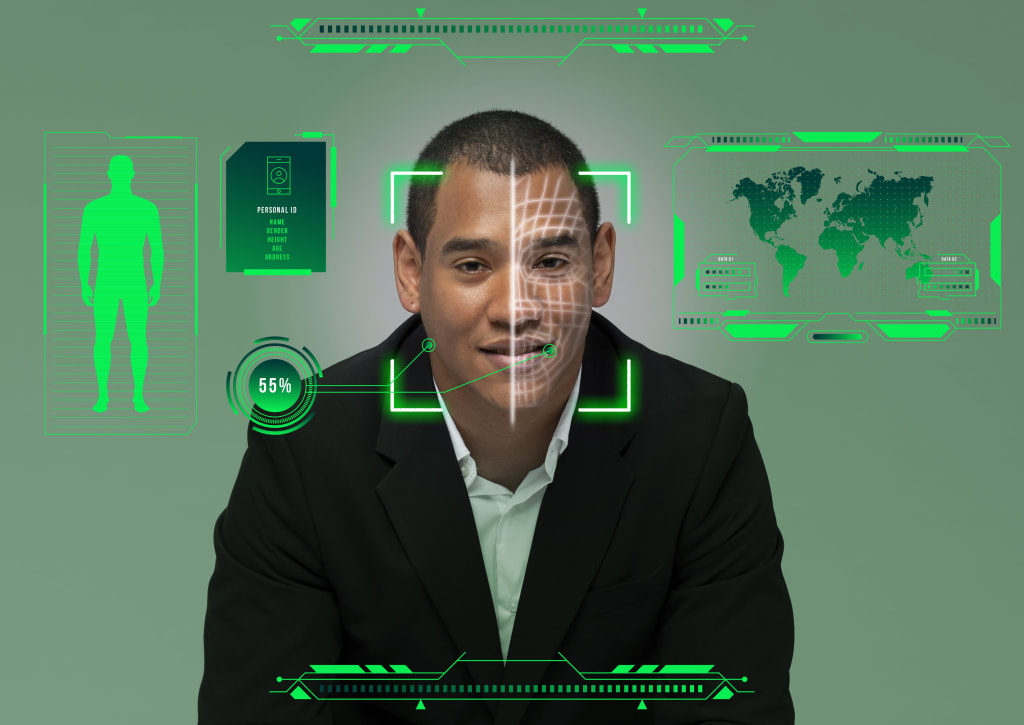
The advent of artificial intelligence (AI) has transformed numerous industries and surveillance is no exception. While effective, traditional surveillance systems often rely heavily on manual monitoring and cannot analyse data in real-time real-time. However, AI brings a new dimension to security, offering smart, proactive, and efficient solutions beyond simply recording footage. This blog explores the key benefits of AI in surveillance, from enhancing facial recognition to enabling motion detection, and highlights its practical applications in the real world.
Proactive Threat Detection
One of AI’s standout advantages in surveillance is its ability to identify potential threats proactively. AI-powered systems use algorithms to analyse real-time video feeds, recognising patterns or anomalies that might signify suspicious activity. For instance, an AI system can detect someone loitering near a restricted area for an extended period or identify an unattended bag in a crowded location.
Real-Life Example:
Airports like London Heathrow leverage AI-based surveillance to identify unattended luggage. This enhances passenger safety and ensures smoother operations by minimising false alarms.
Why It Matters:
Proactive threat detection allows security personnel to respond quickly, often preventing incidents before they escalate.
Enhanced Facial Recognition
AI-powered facial recognition technology has redefined identity verification and access control. Unlike traditional systems, AI-driven facial recognition can process vast amounts of data with incredible accuracy, even under challenging conditions like poor lighting or partial obstructions.
Practical Applications:
Retailers use facial recognition to identify known shoplifters and alert security teams.
Law enforcement agencies employ it to locate persons of interest in public spaces.
A Case Study:
The city of Shenzhen in China uses AI-powered surveillance to enforce traffic laws. It identifies jaywalkers and sends fines directly to their mobile devices, demonstrating how effective facial recognition can be in urban management.
Why It Matters:
Facial recognition enhances security by adding a layer of authentication and ensuring that only authorised personnel can access restricted areas.
Intelligent Motion Detection
AI takes motion detection to the next level by distinguishing between harmless movements and genuine threats. Traditional motion sensors often trigger alarms for minor disturbances, such as falling leaves or passing animals, leading to alert fatigue. AI-based systems, however, can analyse context and ignore irrelevant motions while focusing on critical events.
Example:
A warehouse with AI surveillance can detect unauthorised entry after hours, differentiating it from routine activities, like a bird flying past a camera.
Why It Matters:
Intelligent motion detection reduces false alarms, saving time and ensuring security teams focus on real threats.
Improved Efficiency Through Automation
AI in surveillance eliminates the need for continuous manual monitoring. Traditional systems often require dedicated personnel to watch hours of footage, a process prone to human error and fatigue. AI automates this task, identifying noteworthy events and flagging them for review.
Industry Insight:
According to a report by MarketsandMarkets, AI automation in surveillance can reduce human workload by up to 70%, allowing security teams to allocate resources more effectively.
Why It Matters:
Automation ensures no critical event goes unnoticed, enhancing the overall effectiveness of surveillance systems.
Predictive Analytics for Crime Prevention
AI doesn’t just monitor—it predicts. By analysing historical data and identifying patterns, AI-powered surveillance systems can anticipate potential risks and alert authorities in advance.
Example:
Smart city initiatives in the U.S. employ AI surveillance to predict areas where crimes are likely to occur based on past incidents, enabling law enforcement to deploy resources strategically.
Why It Matters:
Predictive analytics transforms surveillance from a reactive tool into a proactive one, preventing incidents rather than merely recording them.
Cost Savings and Scalability
While the initial investment in AI-powered surveillance may seem significant, it often leads to long-term cost savings. Automated systems reduce the need for large security teams and minimise losses from theft or vandalism. Additionally, AI solutions are highly scalable, adapting easily to businesses’ growing needs.
Example:
A retail chain with multiple locations can centralise its surveillance using cloud-based AI software, reducing the cost of maintaining separate security teams at each site.
Why It Matters:
AI makes advanced surveillance affordable and accessible, even for small businesses.
Enhanced Privacy and Data Security
Modern AI surveillance systems prioritise privacy and cybersecurity. They use encryption to protect sensitive data and comply with regulations like GDPR to ensure the ethical use of technology.
Practical Impact:
Thanks to anonymised data processing, healthcare facilities use AI to monitor sensitive areas without compromising patient confidentiality.
Why It Matters:
Secure surveillance systems build trust with stakeholders while safeguarding valuable information.
Conclusion
Integrating AI in surveillance marks a significant leap forward in ensuring safety, efficiency, and operational excellence. From proactive threat detection and facial recognition to predictive analytics and cost savings, the benefits of AI-driven surveillance are undeniable. Businesses and public sectors are adopting this technology to avoid security challenges, creating a safer and more connected world.
As AI continues to evolve, so will its applications in surveillance, paving the way for smarter, more responsive systems that redefine how we think about security. Whether you’re a retailer looking to prevent theft or a city planner aiming to enhance public safety, investing in AI surveillance is no longer a luxury—it’s a necessity.
About the Creator
Intellve
This page is all about using smart technology to keep places safe and secure! We work with video surveillance software and ICCCs (Integrated Command & Control Centers) to help watch over buildings, cities, and businesses.
Enjoyed the story? Support the Creator.
Subscribe for free to receive all their stories in your feed.
Comments
There are no comments for this story
Be the first to respond and start the conversation.