
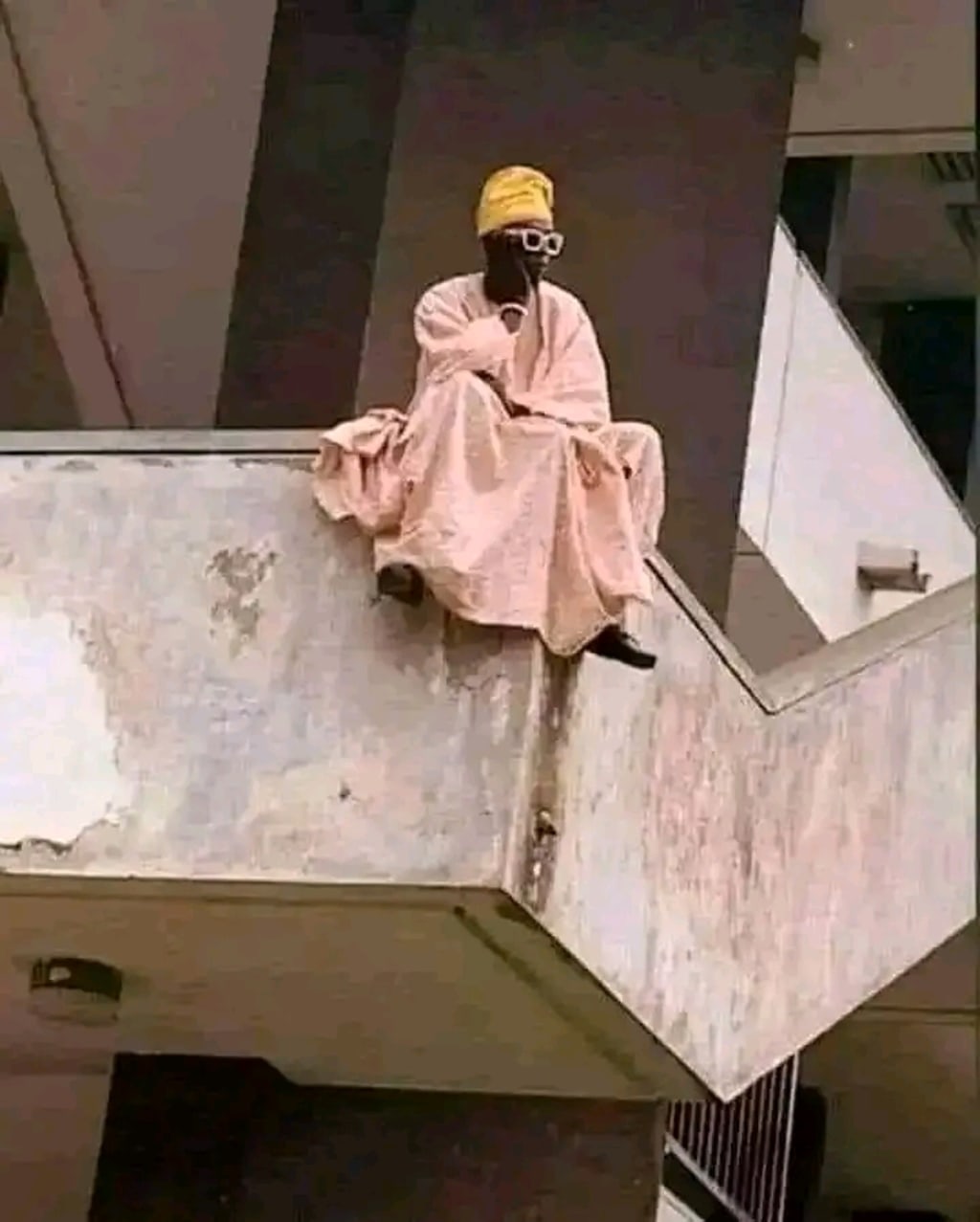
Mary had always dreamed of going to university. She worked hard in school, got good grades, and even won a scholarship. However, when the time came for her to attend university, she found out that life as a Nigerian student would be much different than she had imagined.
For Mary and thousands of other Nigerian students, the first challenge is finding a university that will accept them. The competition for slots at Nigerian universities is fierce, and many students are turned away even if they meet the qualifications. For those who do get in, the next challenge is paying for school.
Mary's scholarship covered her tuition fees, but she still had to find a way to pay for living expenses. This can be a particular challenge for students whose families live in rural areas and don't have the resources to support their education. Many Nigerian students rely on scholarships and bursaries to pay for their university education, but those can be difficult to obtain.
Once at university, the challenges continue. Nigerian universities are often overcrowded and underfunded. Classrooms and lecture halls are filled with students sitting on the floor or standing in the back, and many universities lack basic equipment like computers or even chalkboards.
Accommodations are also a challenge. Many universities don't have dormitories, so students have to find their own housing. This can be particularly difficult for students from rural areas who aren't familiar with the city or have family or friends they can stay with. Private accommodation can be expensive and often requires a long-term lease, which is difficult for most students to afford.
Food is another challenge for Nigerian students. Many university cafeterias serve only basic meals like rice and beans or spaghetti, and the quality can be poor. Students who want something more substantial or healthier have to buy their own food, which can be expensive.
All of these challenges can take a toll on a student's mental and physical health. It's not uncommon for Nigerian students to suffer from anxiety, depression, or even malnutrition. Yet, most students don't have access to mental health services or healthcare, which makes it even harder to cope.
The situation is made worse by the fact that Nigerian universities are often plagued by strikes and protests. Students and professors often protest over issues like unpaid salaries or unsafe working conditions, which can cause universities to shut down for weeks or even months at a time. This can seriously disrupt a student's education and make it even harder to graduate on time.
Despite these challenges, Nigerian students persevere. They study long hours, work multiple jobs, and support each other in countless ways. They form study groups, help each other with assignments, and lend a listening ear when things get tough. For many Nigerian students, their education is the key to a better future for themselves and their families, and they are willing to do whatever it takes to make it happen.
Mary is one of those students. Despite the challenges, she is determined to succeed. She studies hard, works part-time at a local restaurant, and helps her classmates whenever she can. She dreams of graduating and using her education to help improve the lives of others in her community.
Despite the challenges, living as a Nigerian student has taught Mary and others like her the value of perseverance, hard work, and determination. They have learned to be resourceful and to never give up, even when the odds seem stacked against them. They have learned to lean on each other and support each other through the tough times. And they have learned that education is not just a way to improve their own lives, but also the lives of others around them.
About the Creator
Enjoyed the story? Support the Creator.
Subscribe for free to receive all their stories in your feed.
Comments
There are no comments for this story
Be the first to respond and start the conversation.