
Was Andrew Yang right all along?
In 2020 people called him crazy, now his prediction begins to manifest.
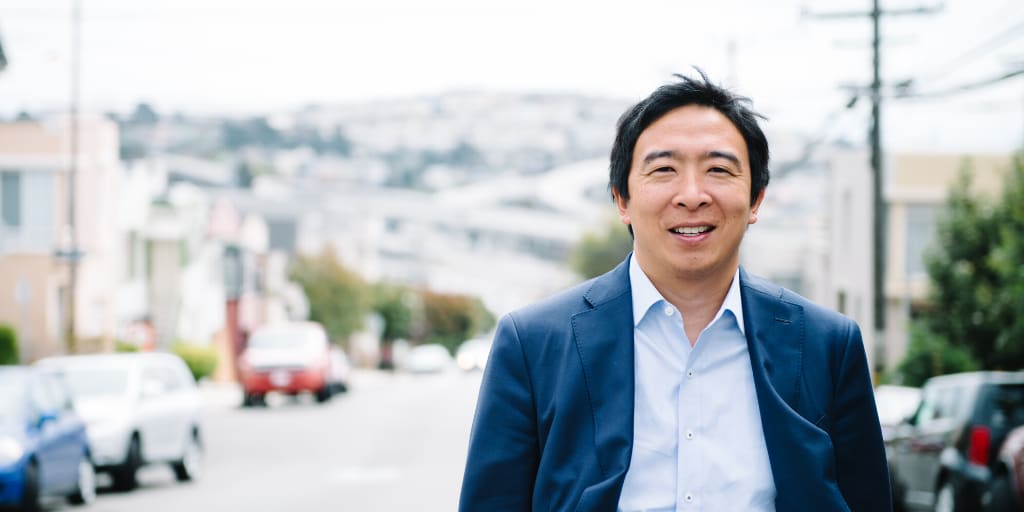
While looking at this 2024 election, I can't help but remember Andrew Yang and his perspective on the potential threat artificial intelligience posed to the American workforce. Many people dismissed these warnings, claiming they were overly spectualtive. However, recent developments in AI suggest that Andrew Yangs predictions were more prescient than we may have realized. AI systems continue to grow more capable and Yang's concerns about the future of work, income equality, and the role of a goverment in a rapid changing economy become more reveleant than ever before.
During his 2020 campaign, Yang warned us repeatedly about the advancements in automation and AI that would lead to the elimination of millions of jobs across sectors like trucking, retail, and manufacturing. His signature proposal, the freedom dividend, would provide $1,000 per month for every American adult. This was intended to cushion the blow of these disruptions. Yang mentioned in an interview with CNBC, "There is a fundamental American principle that if you work full time, you shouldn't be poor or destitute...the problem really is who is going to bear the cost of getting more buying power into the Americans hands; it was one reason I was for a basic income." Everyone's immediate question is the effects that it would have on inflation, and the reality of the situation is that Americans are barely scrapping by, and putting more money into their hands allows them to buy a bit more.
As Yang predicted, the automation of jobs is not only a technological issue but a societal one. More jobs are being displaced, and income inequality is likely to widen. Those who own the AI systems, typically being large corporations, will be the only ones benefiting from this crisis. Meanwhile, workers are left with fewer and fewer options. Without significant policy prevention, millions of Americans may find themselves without a stable source of income, making economic instability and social unrest worse.
Yang was not arguing that AI is bad; in fact, he recognizes its potential to improve productivity and create new industries. But he also understood that without proper management, the consequences could outweigh the benefits for millions of people. During a 2019 interview on The Joe Rogan Experience, Andrew Yang warned about the dangers of automation: "We are automating away millions of jobs, and we're doing it in real-time. If we don't address it, people will be left behind, and the economy will collapse for those people." As jobs in traditional sectors disappear, new opportunities will arise in AI development, maintenance, and oversight. However, the transition will not be easy, and not all displaced workers will have access to the necessary resources or education.
His campaign emphasizes preparing for the future where AI plays a dominant role in the economy, and he wants to make sure nobody is left behind.
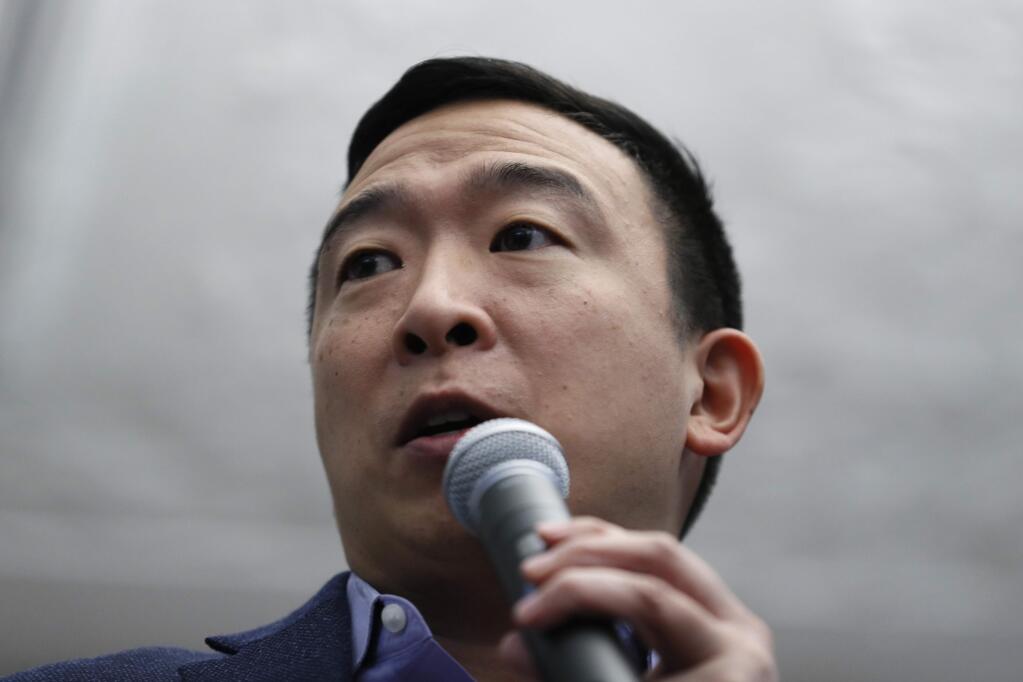
Andrew Yang's warning about AI job displacement was not only ahead of their time but also crucial in today's conversations about the future of work in this country. As automation and AI continue to advance, the need for more thoughtful policies to protect workers becomes more pressing than ever. While many dismissed Yang's vision in 2020, his predictions continue to manifest and become reality. Society must now face them head-on. It all comes down to safeguarding our working class and making sure they don't fall behind in this dynamic, rapidly evolving economy. People will call him crazy, but crazy sounds like the truth in a world full of doubt and lies.
As Yang once said, "The future of work is about people, not machines." It's time that we start taking those words more seriously.
About the Creator
Enjoyed the story? Support the Creator.
Subscribe for free to receive all their stories in your feed.
Comments
There are no comments for this story
Be the first to respond and start the conversation.