
Volunteer-Led Construction Projects Are Building Stronger Communities in New York City
Volunteer-Led Construction Projects Strengthen Communities Across New York City

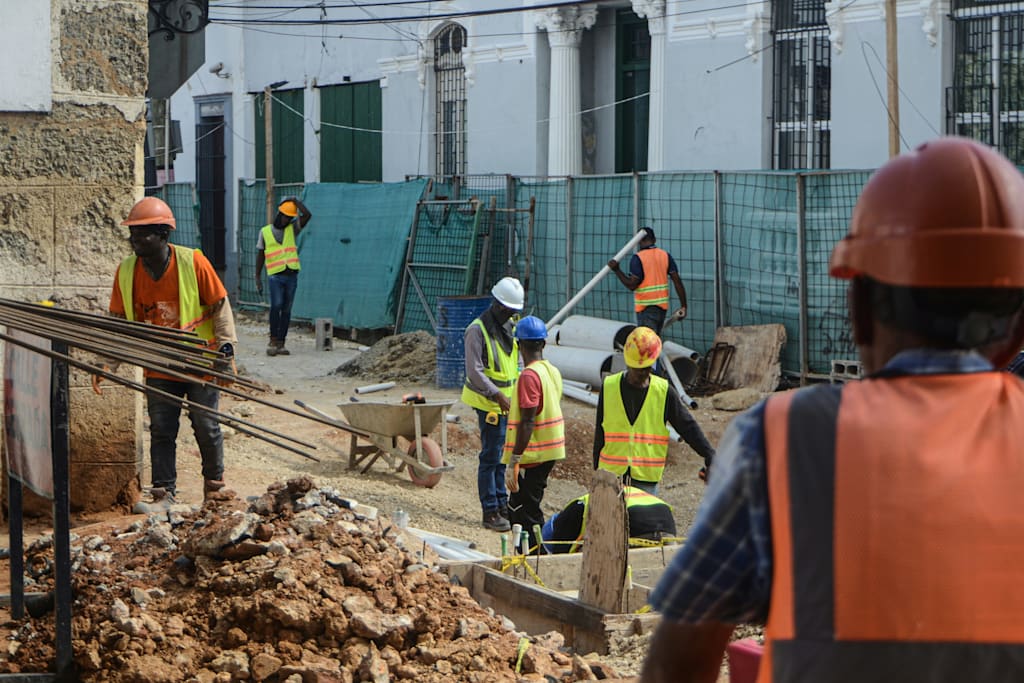
Volunteer construction programs are becoming an essential part of community development throughout New York City. As neighborhoods face ongoing challenges related to affordable housing, aging infrastructure, and limited public funding, residents are finding new ways to work together and improve local conditions. These volunteer efforts are helping communities create safer spaces, stronger relationships, and more opportunities for future growth.
Across the city, nonprofit organizations, businesses, and local volunteers are partnering on construction projects that directly benefit neighborhoods. From restoring community buildings to supporting affordable housing initiatives, these programs are proving that collective action can create meaningful and lasting change.
Many neighborhoods in New York City continue to experience financial and social pressures that affect public spaces and housing availability. Volunteer construction programs have expanded because they provide communities with practical solutions that address these issues directly. Residents are increasingly participating in projects that improve schools, parks, and residential properties.
These initiatives also encourage stronger community participation. Volunteers often feel more connected to their neighborhoods after contributing time and effort toward local improvements. By working together on construction projects, residents develop a greater sense of pride and responsibility for their communities.
The shortage of affordable housing remains a major concern throughout New York City. Volunteer construction initiatives have become valuable support systems for organizations working to build or renovate homes for families with limited financial resources. Volunteers frequently assist with painting, carpentry, landscaping, and repair work, helping lower overall construction costs.
These housing projects do more than provide physical shelter. They also provide emotional support and stability to families who receive assistance. Volunteers often build meaningful relationships with residents during construction, helping strengthen social bonds within neighborhoods.
Volunteer construction programs often focus on improving public spaces that are important to residents. Community centers, playgrounds, schools, and recreational facilities all benefit from volunteer-led renovation and repair projects. These spaces serve as gathering places where families, children, and community groups can connect and participate in local activities.
Improving public spaces helps create safer and more welcoming neighborhoods. Residents are more likely to use and care for areas that are clean, functional, and well-maintained. Volunteer efforts also encourage long-term community involvement by giving residents a direct role in neighborhood improvement.
Nonprofit organizations play a critical role in organizing volunteer construction projects across New York City. These groups manage project planning, recruit volunteers, and secure donations to support community initiatives. Their leadership helps ensure projects are completed efficiently while meeting the specific needs of local neighborhoods.
Business partnerships also contribute to the success of many volunteer construction programs. Construction companies and local businesses often donate building materials, equipment, or professional expertise. These partnerships allow organizations to expand their reach while strengthening relationships between businesses and community members.
Young people are becoming more involved in volunteer construction programs throughout the city. Schools, youth organizations, and colleges regularly encourage students to participate in community improvement projects. These opportunities help young volunteers develop practical skills, leadership abilities, and a stronger understanding of civic responsibility.
Volunteer construction experiences can have a lasting impact on younger generations. Students who participate often become more engaged in local issues and more motivated to support their communities in the future. These programs help create future leaders who value teamwork, service, and neighborhood development.
One of the most important benefits of volunteer construction initiatives is their ability to bring people together. New York City is home to many cultures and backgrounds, and volunteer projects offer residents opportunities to work toward shared goals. These experiences encourage communication, cooperation, and mutual respect among neighbors.
The relationships formed during volunteer construction projects often continue after the work is completed. Residents who participate together frequently remain involved in future community activities and neighborhood improvement efforts. This stronger sense of connection helps communities become more supportive and resilient over time.
Volunteer construction initiatives are expected to continue growing as more residents recognize their value. Increased support from nonprofit organizations, businesses, and local leaders is helping expand these programs across New York City. Online platforms and community outreach efforts are also making it easier to recruit volunteers and organize projects.
As the city continues to face challenges related to housing, infrastructure, and economic inequality, volunteer construction efforts will remain an important part of community development. These programs demonstrate how local involvement can create lasting improvements while strengthening relationships among residents. Through shared commitment and teamwork, New Yorkers are helping build communities that are more connected, supportive, and prepared for the future.
About the Creator
William Steinberg
William Steinberg has developed deep expertise in C++, Python, Perl, Lisp, and Bash scripting, as well as extensive knowledge of operating systems, networking, and hardware platforms throughout his career.
Enjoyed the story? Support the Creator.
Subscribe for free to receive all their stories in your feed.
Comments