
Volcanoes: Nature's Fiery Spectacles
what is volcanoes
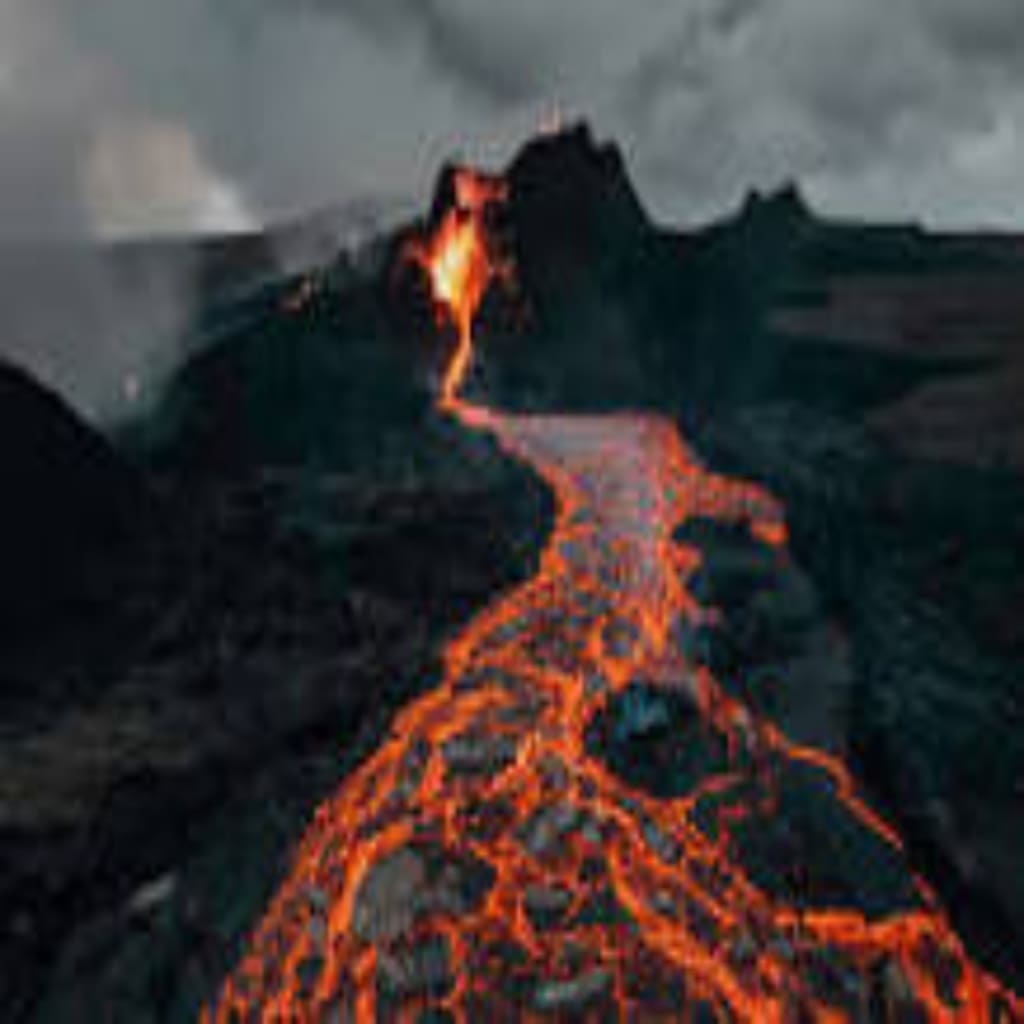
HELLO! HERE WE EXPLAIN ABOUT VOLCANO. LIKE WHAT IS VOLCANO AND WHAT ARE THE TYPES OF VOLCANOES.
Introduction:
Volcanoes are awe-inspiring natural phenomena that have captured the imagination of humans for centuries. These geological wonders result from the dynamic forces within the Earth, where molten rock, gases, and ash erupt to the surface, creating mesmerizing and sometimes catastrophic displays of power. In this comprehensive note, we delve into the intriguing world of volcanoes, exploring their formation, types, eruption mechanisms, global significance, and the impact they have on the environment and human societies.
1. Volcano Formation:
Volcanoes are primarily formed at plate boundaries, where the Earth's tectonic plates interact with one another. There are three main types of plate boundaries: convergent, divergent, and transform. At convergent boundaries, two plates collide, forcing one plate to sink beneath the other, creating subduction zones. Divergent boundaries, on the other hand, see plates moving away from each other, allowing magma from the mantle to rise and form new crust. Finally, at transform boundaries, plates slide past each other, sometimes causing fractures that allow magma to escape to the surface.
2. Types of Volcanoes:
There are several types of volcanoes based on their shape and eruption styles:
a. Shield Volcanoes: These have gentle slopes and are formed by the accumulation of fluid lava flows. They are typically non-explosive and exemplify the Hawaiian Islands' volcanic formations.
b. Stratovolcanoes (Composite Volcanoes): These are tall, steep-sided volcanoes that erupt both lava flows and pyroclastic materials like ash and tephra. They are often found in subduction zones and are notorious for their explosive eruptions. Mount St. Helens is a famous example.
c. Cinder Cone Volcanoes: Smaller in size, these volcanoes are composed of pyroclastic fragments and cinders. They have steep slopes and are frequently found on the flanks of larger volcanoes.
d. Lava Domes (Volcanic Domes): These result from the slow extrusion of highly viscous lava, forming a steep-sided mound. They are often associated with stratovolcanoes and can lead to explosive eruptions if the dome collapses.
3. Eruption Mechanisms:
Volcanic eruptions can be classified as effusive or explosive, depending on the magma's composition and gas content:
a. Effusive Eruptions: These occur when low-viscosity magma, such as basaltic lava, flows relatively easily and spreads over a large area. The lava effuses gently, with minimal explosive activity. Shield volcanoes are associated with this type of eruption.
b. Explosive Eruptions: High-viscosity magma, like andesitic or rhyolitic, traps gas bubbles, leading to increased pressure build-up. When this pressure is released, it results in violent and explosive eruptions. Stratovolcanoes and calderas are known for their explosive nature.
4. Global Significance of Volcanoes:
Volcanoes play a crucial role in shaping the Earth's geology and influencing various natural processes:
a. Geological Formation: Volcanic eruptions create new landforms and contribute to the growth of landmasses. Over time, volcanic islands and mountains emerge from the ocean floor, providing habitats for various species.
b. Geothermal Energy: Volcanic regions are rich sources of geothermal energy, which can be harnessed for electricity generation and heating.
c. Mineral Deposits: Volcanic activity often leads to the formation of mineral-rich deposits, including valuable ores and gemstones.
5. Environmental Impact:
Volcanic eruptions can have both immediate and long-term environmental consequences:
a. Air Quality: Eruptions release significant amounts of sulfur dioxide and other gases, which can lead to acid rain and affect air quality, posing health risks to humans and wildlife.
b. Climate Change: Volcanic eruptions can inject large quantities of ash and aerosols into the atmosphere, reflecting sunlight and causing temporary cooling of the Earth's surface. This phenomenon has been observed in past eruptions to influence global climate patterns.
c. Volcanic Hazards: The pyroclastic flows, lava flows, ashfall, and lahars (mudflows) associated with volcanic eruptions pose direct threats to nearby communities, ecosystems, and infrastructure.
Conclusion:
Volcanoes are mesmerizing and powerful natural wonders that play a vital role in shaping the Earth's surface and influencing various natural processes. While their eruptions can be destructive, they also create new landforms and habitats, and their geothermal energy potential offers sustainable benefits. Understanding volcanoes is crucial for protecting communities and minimizing the impact of their eruptions. As we continue to study these captivating geological spectacles, we gain valuable insights into the dynamic forces that shape our planet.
-------------------XXXXXXXXXXXXXXXXX------------------------------------
I HOPE YOU GUYS ENJOY IT IF YOU ENJOY IT PLEASE MAKE SURE TO LEAVE A LIKE AND COMMENT ALSO. THANK YOU!
About the Creator
EMAN SHAHID
HELLO GUYS I HOPE YOU ALL ARE FINE PLEASE MAKE SURE TO LEAVE A LIKE
Enjoyed the story? Support the Creator.
Subscribe for free to receive all their stories in your feed.
Comments
There are no comments for this story
Be the first to respond and start the conversation.