
Unveiling the Secrets of Memory Formation
Insights into the Neurobiology of Learning and Recall
Introduction:
Memory is the cornerstone of human cognition, allowing us to store and retrieve information crucial for survival and adaptation. However, the mechanisms underlying memory formation and recall have long eluded scientists, despite decades of research. In recent years, advancements in neuroscience have shed light on the neurobiological processes involved in learning and recall, offering insights into the intricacies of memory formation. In this article, we delve into the fascinating world of memory, exploring the latest discoveries in the neurobiology of learning and recall.
The Anatomy of Memory:
The brain regions involved in memory formation and recall are complex and interconnected, involving multiple pathways and circuits. The hippocampus, a seahorse-shaped structure located in the temporal lobe, is critical for the formation of new memories. The prefrontal cortex, which controls executive functions such as attention and planning, plays a crucial role in working memory and episodic memory recall. The amygdala, a small almond-shaped structure, is involved in emotional memory formation.
The Mechanisms of Memory Formation:
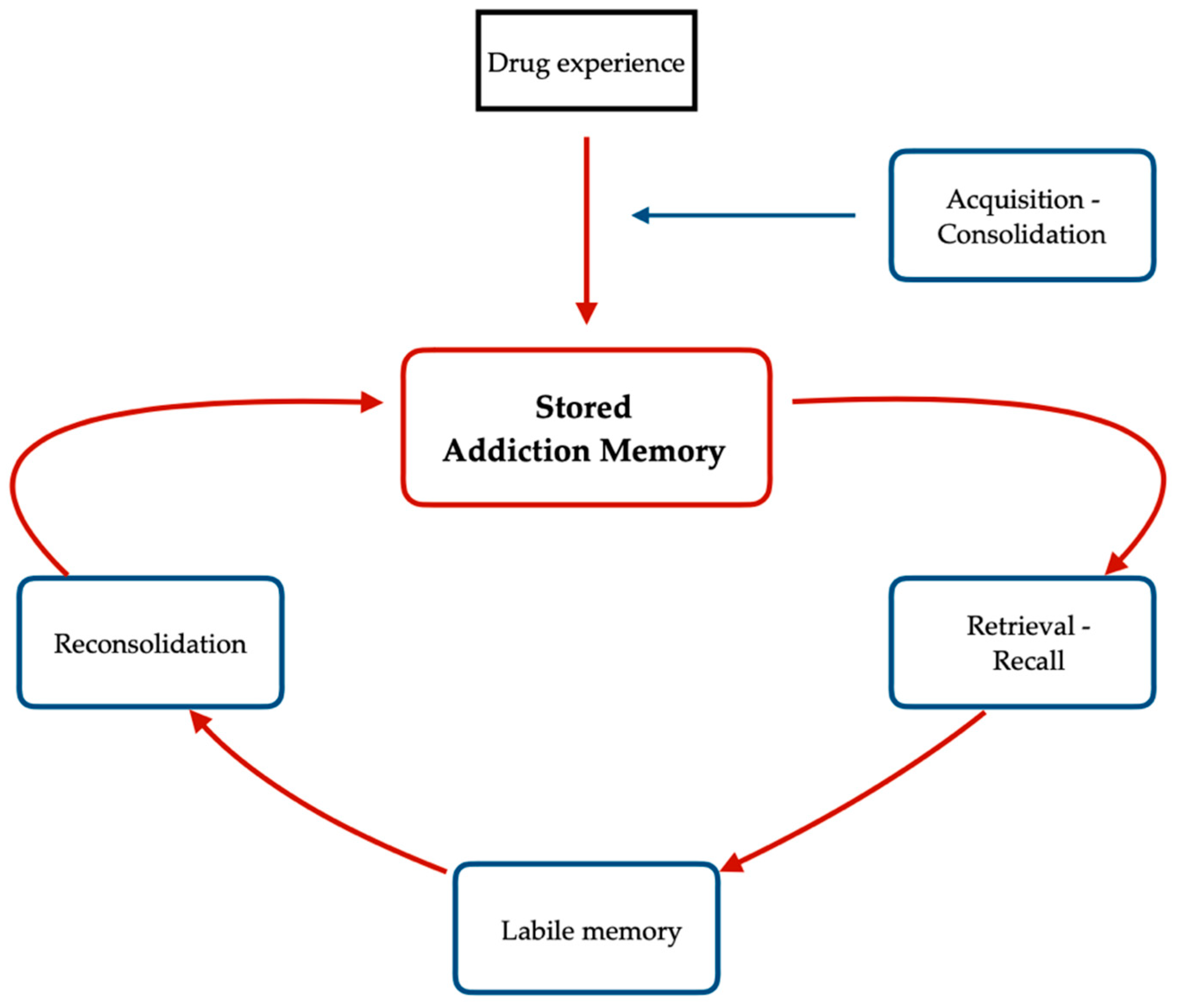
Memory formation is a complex process involving several stages, starting with encoding, consolidation, and retrieval. Encoding refers to the initial acquisition of new information, where sensory input is processed and transformed into a neural code that can be stored in memory. Consolidation is the process by which new memories are stabilized and strengthened, enabling long-term storage. Retrieval refers to the process of accessing and bringing stored memories back into conscious awareness.
The Role of Synaptic Plasticity:
The neurobiological mechanisms underlying memory formation and consolidation involve changes in the strength of synaptic connections between neurons, a process known as synaptic plasticity. The long-term potentiation (LTP) and long-term depression (LTD) are two types of synaptic plasticity that have been extensively studied in the context of memory formation. LTP is a process by which the strength of synapses between neurons is enhanced, while LTD is the opposite, resulting in weakened synaptic connections.this is the role of synaptic plasicity
The Importance of Sleep:
Sleep plays a crucial role in memory consolidation, with research showing that sleep deprivation can impair memory formation and recall. During sleep, the brain undergoes several changes that facilitate memory consolidation, including the replay of neuronal activity patterns associated with recent experiences. Sleep also allows for the removal of unnecessary or irrelevant information, allowing the consolidation of relevant memories.
The Role of Emotions:
Emotions play a crucial role in memory formation, with emotional events being more likely to be remembered than neutral events. The amygdala, a brain region involved in emotional processing, is believed to play a critical role in the modulation of memory formation. Emotions also facilitate memory consolidation by enhancing the release of neurotransmitters such as dopamine and noradrenaline, which are known to promote synaptic plasticity.
Clinical Implications:
Understanding the neurobiology of memory formation and recall has significant implications for clinical applications, particularly in the development of treatments for memory-related disorders. Conditions such as Alzheimer's disease, traumatic brain injury, and post-traumatic stress disorder (PTSD) all involve impairments in memory formation and recall. By unraveling the mechanisms underlying memory, researchers can develop targeted interventions to improve memory function in these conditions.
Conclusion:
Memory formation and recall are complex processes involving multiple brain regions and mechanisms. Recent advancements in neuroscience have provided insights into the neurobiological processes involved in learning and recall, shedding light on the intricacies of memory formation. As our understanding of memory deepens, we move closer to unlocking the full potential of memory-related clinical applications and improving memory function in health and disease.
About the Creator
Enjoyed the story? Support the Creator.
Subscribe for free to receive all their stories in your feed.
Comments
There are no comments for this story
Be the first to respond and start the conversation.