
Unusual Solar Events on the Horizon
Deciphering Solar Oddities

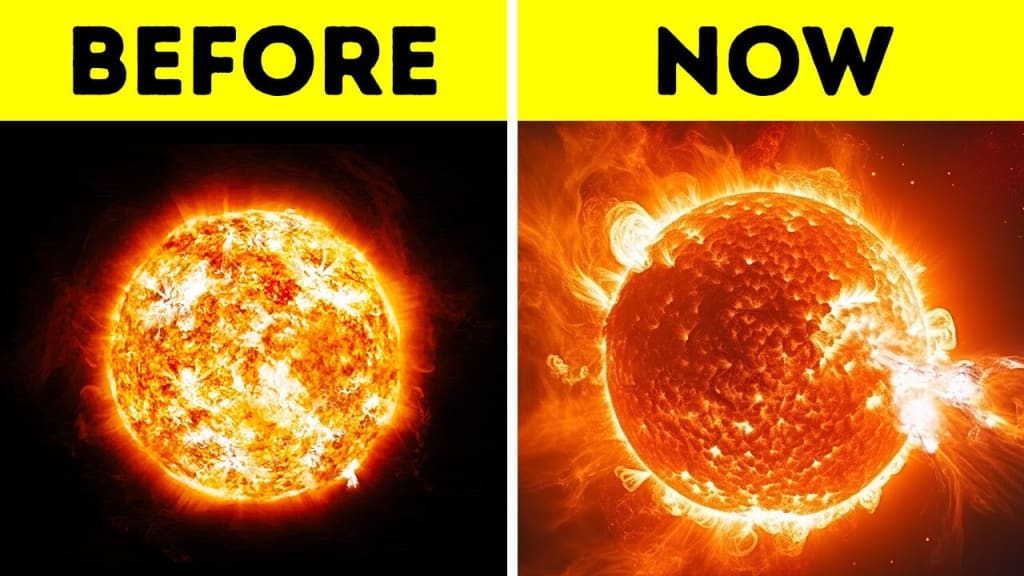
Looking at the Sun from our vantage point, it appears tranquil and serene. However, akin to humans and the entire living world, the sun goes through its own phases of heightened and reduced activity. The consequences of these fluctuations are significantly more substantial and tumultuous when the sun enters a hyperactive state. Let's take a closer look at what unfolds up there.
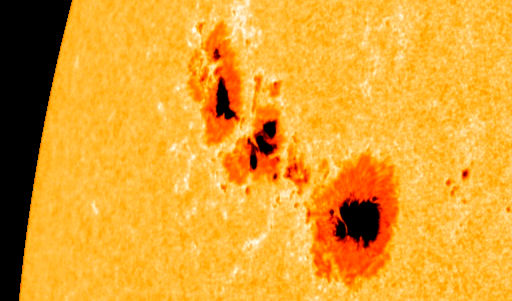
One of the methods we employ to gauge our star's activity is by monitoring sunspots on its surface. Sunspots are dark patches that manifest when the sun's magnetic field becomes entangled. The concept is straightforward: the more sunspots we observe, the more active our sun is.
Remarkably, the sun has been exhibiting heightened activity recently. The number of sunspots detected by scientists is the highest it has been in nearly 21 years. In June, a total of 163 sunspots emerged on the sun's surface. To find a comparable count of these dark patches, we have to go back to September 2002 when there were 187 of them. This surge in sunspot activity heralds the approach of a phenomenon known as solar maximum.
But how does all of this happen? Initially, the sun's magnetic field is robust and organized. However, there comes a point when it becomes tangled, resembling a ball of tightly wound rubber bands. During this phase, plasma rises from the sun's surface, forming loops and causing disruptions in the form of solar flares and coronal mass ejections (CMEs). Solar flares are intense bursts of energy, while CMEs occur when the sun's upper atmosphere, called the corona, experiences turbulent eruptions.
At a certain juncture, this entangled magnetic field snaps, undergoing a complete reversal that switches the South Pole to the North Pole and vice versa. This reversal cycle repeats approximately every 11 years. When the sun reaches a state of heightened activity, it ejects hot plasma blobs, develops sizable dark spots comparable in size to planets, and releases powerful bursts of energy and radiation.
One of the intriguing phenomena that transpires during increased solar activity is the plasma waterfall or polar crown prominence (PCP). This resembles a miniature eruption that initiates on the sun, attempting to escape into space but is restrained by the sun's magnetic field. This captivating display extends to approximately 62,000 miles above the sun's surface, equivalent to stacking eight Earths atop one another.
Additionally, a massive polar vortex, resembling a colossal halo of plasma, whirls around the sun's North Pole at high speeds. This vortex results from the disruption of a large plasma tentacle, much like the formation process of a plasma waterfall. Scientists are still investigating why this plasma remains suspended above the sun's surface for extended durations.
Notably, solar events can assume intriguing shapes. For instance, in March of this year, a massive coronal mass ejection took on the unusual form of a butterfly due to its explosion on the side of the sun not visible from Earth. While this event did not pose a direct threat to us, it may have impacted Mercury to some extent, potentially dislodging dust and gas, given Mercury's weak magnetic field.
While these solar phenomena are fascinating in theory, they raise concerns for us on Earth. The heightened solar activity could lead to more intense solar storms, resulting in geomagnetic storms here on our planet. Geomagnetic storms can disrupt our magnetic field, potentially leading to disturbances such as beautiful but disruptive Northern Lights. However, we would prefer to enjoy the Aurora Borealis under normal conditions or simply watch a serene ocean sunset.
It's important to note that not every solar storm will necessarily impact Earth. For these storms to affect us, they must be directed toward our planet at the right time. However, if such an event occurs, it can ionize the upper atmosphere, disrupt our communication systems, and cause temporary blackouts for technologies like GPS and radio. While these disruptions may not be catastrophic on their own, they can pose serious risks during critical moments, such as during tsunamis or earthquakes.
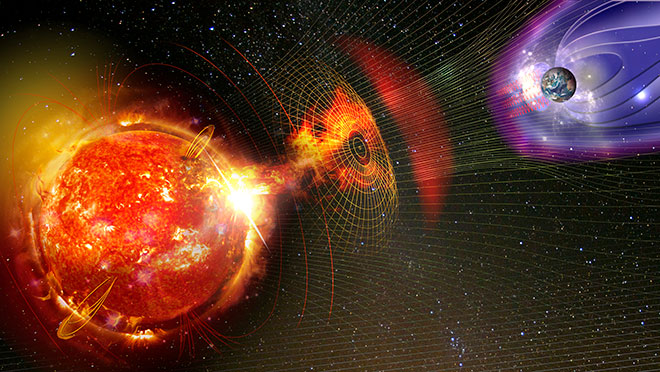
Geomagnetic storms can also harm our electrical infrastructure, including rail lines and power grids. Furthermore, individuals on airplanes during such storms may be exposed to higher levels of radiation, presenting a potential concern. While the extent of this radiation's danger remains uncertain for passengers, it poses a significant problem for astronauts in space.
These solar-induced disturbances can also impact the natural world. When solar storms interfere with the Earth's magnetic field, they can affect the migration patterns of various animals, including sea turtles, whales, and birds. These disruptions in the natural order raise questions about how these creatures adapt and survive such changes.
The proliferation of satellites in space exacerbates the challenges posed by heightened solar activity. With more satellites than ever before, the denser upper atmosphere resulting from solar changes can push these satellites in different directions, increasing the risk of collisions or satellite re-entry into Earth's atmosphere.
While we hope to avoid a massive solar storm on the scale of the Carrington event, history serves as a reminder of their potential impact. In August 1859, astronomers worldwide observed a substantial increase in sunspots. Richard Carrington, one of those astronomers, witnessed a blinding flash of light while sketching sunspots. This flash was a potent coronal mass ejection (CME), and remarkably, it reached Earth in just 17.6 hours, far faster than usual.
The resulting solar storm caused widespread disruption. Telegraph machines worldwide malfunctioned, operators received electric shocks, and even paper caught fire due to the charged atmosphere. People were frightened and bewildered by the incredibly bright skies, with some fearing it was the end of the world.
The following day, telegraph workers still struggled due to the lingering effects of the charged atmosphere. They even managed to transmit messages using the auroral current, bypassing regular electricity. However, amidst the chaos, two breathtaking auroras lit up the skies. People in Hawaii and Cuba witnessed the Northern Lights, while those as far south as Chile observed the Southern Lights.
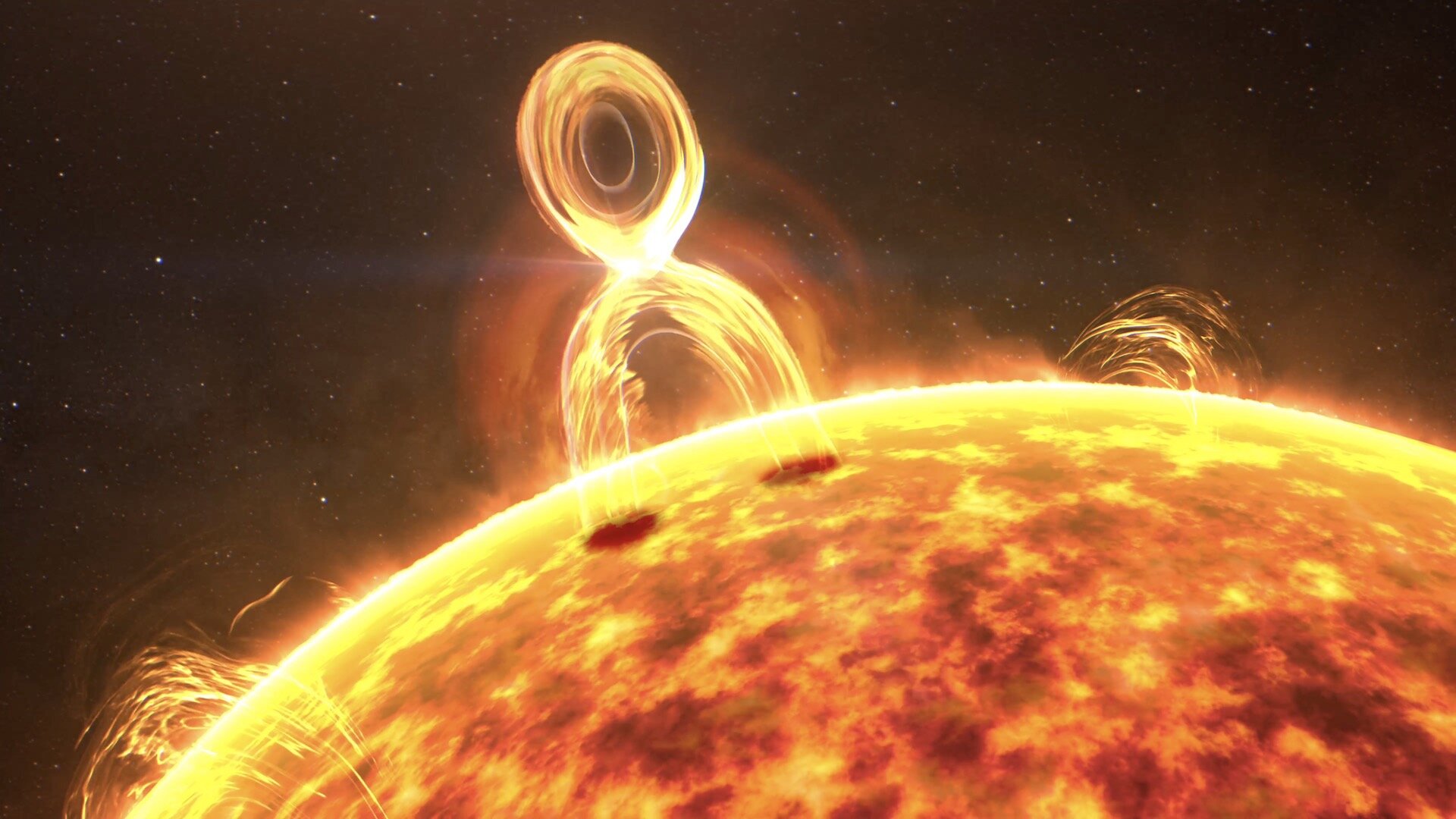
As these solar events continue to escalate, it's essential to be prepared. Solar flares, for instance, are powerful bursts of energy that have been increasing in frequency and strength. It appears that the peak of this heightened solar activity may arrive earlier than initially predicted, potentially by the end of 2023.
While we cannot fully shield ourselves from direct impacts of solar storms, there are measures we can take to mitigate their effects. These include grounding planes, adjusting satellite paths, and safeguarding vulnerable infrastructure. To achieve these goals effectively, we must improve our solar weather forecasts to prepare for the worst.
Despite the initial concerns, it's worth noting that solar flares won't obliterate our planet. While they can send charged solar material hurtling toward us at high speeds, Earth's atmosphere and magnetic field provide a protective shield. These solar flares primarily affect technology, but they are unlikely to cause catastrophic harm to our planet.
In essence, we have our own planetary defenses, and while solar events may disrupt our lives, Earth will endure. So, while we are in for some challenging times, rest assured that our planet will continue to protect us. It's a reminder that we have our own unsung heroes right here on Earth.
Thank you for your time, and I look forward to our next encounter.
About the Creator
Huy Nguyen
I love money.
Enjoyed the story? Support the Creator.
Subscribe for free to receive all their stories in your feed.
Comments
There are no comments for this story
Be the first to respond and start the conversation.