
Unpacking The factors Hindering African Development: Corruption, Language, Culture, And Religion.
Breaking barriers: How Corruption, Language, Culture, and Religion are Holding Back African Development.
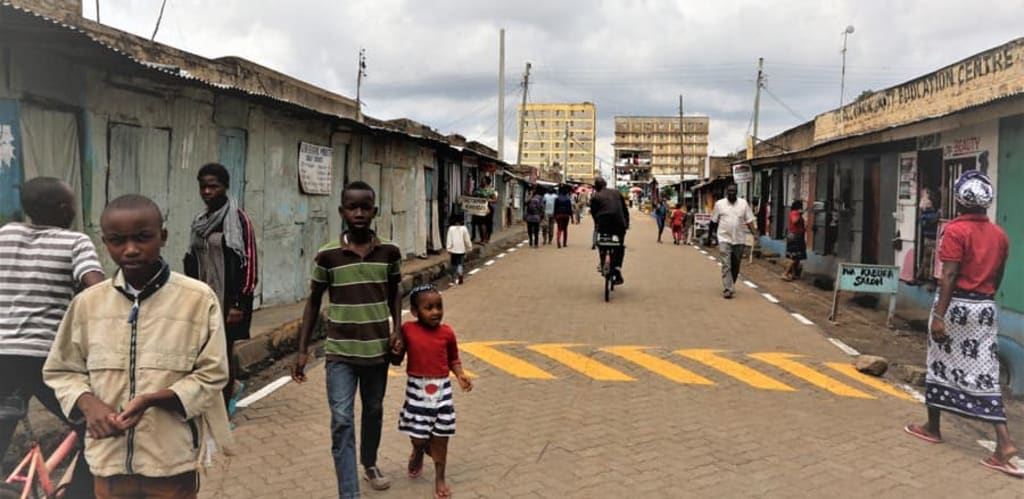
Africa is a continent of great diversity with rich cultures, diverse languages, and abundant natural resources.
Despite being home to some of the world's fastest-growing economies, many African countries continue to experience slow-paced development with poverty, inequality, and underdevelopment being prevalent in many areas of the continent.
With over fifty- four countries in the continent of Africa with ever-growing population figures the development of Africa still moves at a slow pace to provide for the teeming population in Africa and to meet up with the world standard for development.
corruption, language, culture, and religion are often cited as some of the significant factors hindering progress toward sustainable development in Africa.
Corruption
Corruption is a persistent problem in many African countries and has been identified as a significant impediment to their development. Corruption can be defined as the misuse of public power or position for personal gain. It happens when officials entrusted with public resources use them for their benefit rather than the benefit of the public they are supposed to serve. The impacts of corruption on African development are far-reaching and severe, affecting economic growth, social welfare, political stability, and human rights.
Economic impacts
Corruption creates a climate of uncertainty, which discourages foreign investment, weakens domestic investment, and distorts market competition. It increases the cost of doing business and reduces the efficiency of public services. Corruption diverts resources away from productive activities such as infrastructure development, healthcare, education, and social welfare programs to the pockets of corrupt officials and their cronies. It also leads to tax evasion, capital flight, and the loss of government revenue, which can undermine economic growth and worsen poverty levels.
This is very much significant in the economies of African nations.
Social impacts
Corruption perpetuates inequality by enabling a small elite to capture a disproportionate share of resources and opportunities. It undermines the public trust in governmental institutions and the rule of law, eroding social cohesion and stability. It can also contribute to political violence and insecurity as seen in many African countries where corruption has fueled unrest. Corruption also undermines social welfare programs, such as health care and education by diverting resources from these vital services and reducing their quality and accessibility.
Political impacts
Corruption undermines the legitimacy of political institutions and the credibility of democratic processes. It distorts the allocation of political power and resources, preventing a level playing field for all political actors. It undermines the accountability of elected officials to their constituents, leading to weak governance, policy stiffness, and the erosion of the rule of law. It also contributes to the entrenchment of authoritarian regimes, as corrupt officials use their power to suppress opposition and civil society groups that seek to hold them accountable.
Human rights impacts
Corruption has severe human rights implications, particularly for socially vulnerable and marginalized populations. It perpetuates poverty by diverting resources away from social welfare programs and economic development. It also undermines access to justice by enabling corrupt officials to evade accountability for their actions. Corruption can contribute to human trafficking, forced labor, and other forms of exploitation especially among children and women. It can also contribute to environmental degradation and the loss of natural resources, further exacerbating poverty and inequality.
Addressing corruption is a herculean task that requires comprehensive and sustained efforts by the right people in government and civil society, the private sector, and international actors. These efforts should include reforms to strengthen transparency, accountability, and the rule of law measures to promote ethical behavior and integrity in public institutions and the private sector and the establishment of effective mechanisms for monitoring and enforcing anti-corruption measures.
Language and Culture
Language and culture are two interconnected factors that have been identified as significant impediments to Africa's growth and development. Language and culture are essential elements of a society’s identity, shaping its values, beliefs, and behavior. However, when they become barriers to economic and social progress, they can hinder a Country's ability to compete globally, attract investment, and opportunities for its citizens.
Linguistic diversity
Africa is a continent of remarkable linguistic diversity, with over 2000 languages spoken across its 54 countries. While this diversity is a source of cultural richness and identity, it also poses challenges for economic integration and development. The use of multiple languages creates barriers hindering trade efficiency and investment. The lack of a common language also hinders regional integration and cohesion, limiting the ability of African countries to cooperate and coordinate their policies. Nigeria, a country in West Africa has over 500 languages that are spoken within its borders. This kind of cultural diversity normally leads to confusion and conflict between various autonomous regions thus making it harder for the unification of national common interests and advancement.
Cultural barriers
Cultural differences can also impede Africa's growth and development. African cultures are diverse and complex, with distinct beliefs, values, and norms. Some cultural practices, such as female genital mutilation and early marriage can harm the health and wellbeing of women and girls, limiting their access to education and opportunities. Other cultural practices, such as nepotism and favoritism can undermine merit-based systems, leading to corruption and inefficiency.
Education
Education is critical in addressing cultural language cultural barriers in Africa. Education systems that promote multilingualism, cultural diversity, and inclusiveness can help break down communication barriers and promote critical thinking and innovation, which are essential for economic growth and development. However, many African countries still face significant challenges in providing quality education, particularly in rural and marginalized areas.
Tourism
Tourism is an industry that is highly influenced by culture and language. African countries have a rich cultural heritage that can attract tourists, generate revenue, and create jobs. However cultural barriers, such as a lack of respect for local customs and traditions can undermine the tourism industry's potential. The development of sustainable tourism that respects and promotes cultural diversity can create opportunities for economic growth and development while preserving cultural heritage.
In conclusion, language and culture are two interconnected factors that can pose significant impediments to Africa's growth and development.
Addressing these barriers requires comprehensive and sustained efforts that promote multilingualism, cultural diversity, education, technology, and sustainable tourism. These efforts can help create a more inclusive, innovative, and prosperous Africa, where linguistic and cultural differences are celebrated as a source of strength and resilience.
Religion
Religion is a significant factor in many African nations with a majority of the population practicing various forms of Christianity, Islam, traditional African religion, or a combination of these. While religion can bring comfort, hope, and a sense of community, it can also pose significant challenges to development, particularly in areas such as education, healthcare, and gender equality. This essay will examine how religion can impede development in Africa and explore potential solutions.
Education
Education is crucial to development but religious beliefs can sometimes conflict with modern scientific knowledge, leading to a lack of access to quality education. For example, some religious groups may oppose certain aspects of science education, such as evolution or contraception. This can lead to a lack of access to knowledge and skills that are necessary for development. In addition, religious schools may prioritize religious education over secular education, limiting students' opportunities for learning.
Healthcare
Religious beliefs can also obstruct access to healthcare in some cases. Some religious groups may oppose certain medical procedures, such as blood transfusions or vaccinations. This can limit people's access to essential medical care, leading to poor health outcomes. In addition, some religious beliefs may promote modern medicine, leading to a lack of access to evidence-based healthcare.
Gender equality
Gender equality is a critical component of development but some religious beliefs may promote gender-based discrimination or limit women and access to education and opportunities. For example, some religious traditions may promote the idea that women should not have the same opportunities as men or should be subservient to men. This can limit women's access to education, economic opportunities, and political power, hindering their ability to contribute to development.
Conflict
Religion can also be a source of conflict, which can have notable significant negative impacts on development. In some cases, religious differences may lead to violent conflict between groups, leading to displacement, loss of life, and destruction of infrastructure.
This can hinder development by disrupting economic activities, destroying essential infrastructure, and limiting opportunities for investment and growth.
Potential solutions
To overcome the challenges posed by religion, it is essential to promote dialogue and understanding between different religious groups. Encouraging open and respectful dialogue can help identify common ground and foster mutual respect. In addition, promoting education, especially critical thinking can help to break down barriers and promote evidence-based decision making.
In summary, the problems of African development are multifaceted, with corruption, language, culture, and religion as some of the major driving forces for slow-paced development in frica. Addressing these challenges will require concerted efforts from governments, civil society, and the private sector, as well as innovative and context-specific solutions that take into account the unique circumstances of each country.
About the Creator
Enjoyed the story? Support the Creator.
Subscribe for free to receive all their stories in your feed.
Comments
There are no comments for this story
Be the first to respond and start the conversation.