
Unlocking the Secrets of the Compound Effect: How Small Habits Can Lead to Big Results
The compound effect is the concept

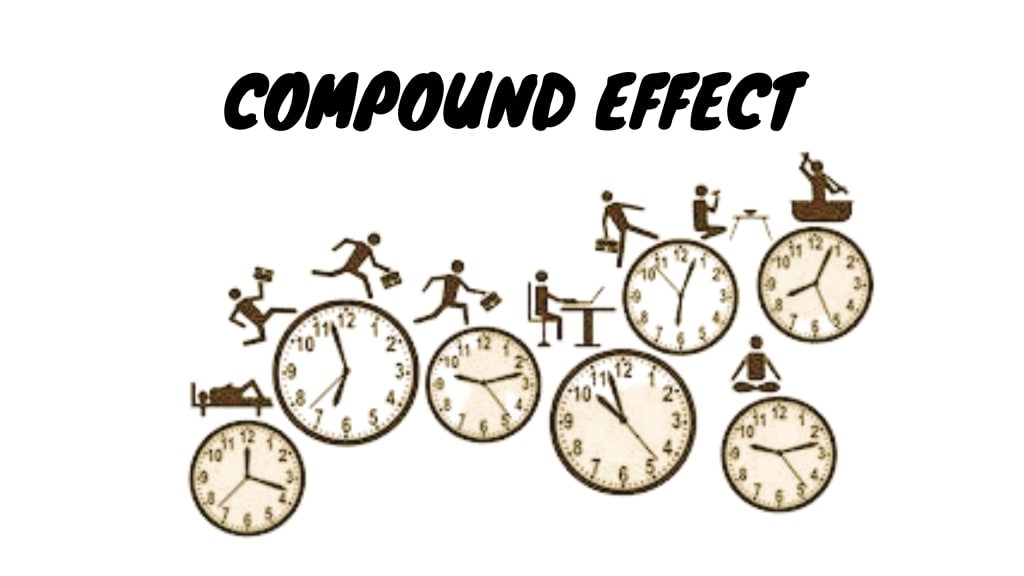
The compound effect is the concept that small actions or decisions, when taken consistently over time, can lead to significant and lasting results. It is the principle that small, incremental changes can add up to significant outcomes over time, whether positive or negative. The compound effect is important because it highlights the power of consistent effort and shows that small actions can have a big impact on achieving long-term goals. By recognizing the compound effect, individuals can make small changes in their habits and behaviors that can lead to significant improvements in various areas of life, including health, finances, relationships, and personal growth.
The compound effect works by building on the effects of small, consistent actions taken over a long period of time. When an individual engages in a small action or habit consistently, such as reading for 15 minutes every day or saving a small amount of money each week, the impact of that action may not be immediately noticeable. However, over time, the cumulative effect of those small actions can lead to significant results.
For example, if someone saves $10 a week and earns a 5% annual return on their investment, after 10 years, they would have saved over $6,000. Similarly, if someone exercises for 30 minutes a day, five days a week, over time they will see improvements in their overall health and fitness.
The compound effect can work positively or negatively, depending on the actions and habits that are consistently practiced. By focusing on small, positive habits and consistently applying them over time, individuals can achieve significant and lasting results in various areas of life.
The compound effect is the principle that small actions, consistently taken over time, can lead to significant results. This principle applies to various aspects of life, including habits, productivity, finances, and relationships.
Small habits can lead to significant results through the compound effect because they create a ripple effect in our lives. For example, if you make a small change to your diet, such as reducing your sugar intake or eating more vegetables, over time, that small change can lead to significant improvements in your overall health and well-being.
Similarly, if you commit to reading for 15 minutes a day, that small habit can lead to significant personal growth and knowledge accumulation over time. The more you read, the more you learn, and the more you can apply that knowledge to other areas of your life.
Another way small habits can lead to big results is by helping to build momentum. When you consistently take small actions towards a goal, it can help to create a positive feedback loop that encourages you to continue making progress. For example, if you commit to writing 100 words a day for a book you want to write, eventually, those small writing sessions can lead to a completed manuscript.
The compound effect of small habits can also lead to long-term success. When you focus on making small, consistent improvements over time, you create a foundation for long-term success that is sustainable and achievable. It's not about making drastic changes overnight but rather making small, incremental changes that add up over time.
In conclusion, small habits can lead to significant results through the compound effect by creating a ripple effect in our lives, building momentum, and setting the foundation for long-term success. So, it's important to identify the small habits that can help you achieve your goals and commit to taking consistent action towards them over time.
Examples of small habits that can make a big difference in various areas of life, such as health, finances, and relationships
Health:
Drink a glass of water first thing in the morning to start your day hydrated
Go for a 10-minute walk after dinner to aid digestion and boost metabolism
Incorporate more vegetables into your meals by adding a side salad or snacking on raw veggies throughout the day
Practice mindful breathing or meditation for a few minutes each day to reduce stress and improve mental health
Finances:
Track your expenses and create a budget to better understand where your money is going
Set aside a small amount of money each week or month into a savings account to build an emergency fund or save for a future goal
Avoid impulse purchases by waiting 24 hours before making a purchase to determine if it's a necessity or something you truly want
Look for ways to reduce unnecessary expenses, such as canceling subscriptions you don't use or finding ways to save on groceries or utility bills
Relationships:
Send a quick text or message to a loved one to let them know you're thinking of them
Practice active listening by giving your full attention when someone is speaking to you and reflecting back on what you heard to ensure understanding
Express gratitude and appreciation towards your loved ones regularly to strengthen the bond and connection
Plan regular date nights or quality time together to prioritize your relationship and make sure you're spending time together
These are just a few examples of small habits that can make a big difference in various areas of life. The key is to identify the small changes that are achievable and sustainable for you and commit to making them consistently over time.
The compound effect is the principle that small actions, consistently taken over time, can lead to significant results. This means that small habits, when practiced consistently, can lead to big changes and improvements in various areas of life, including health, finances, and relationships.
The power of the compound effect lies in the fact that small changes, when done repeatedly, can create a ripple effect that builds momentum and leads to long-term success. It's not about making drastic changes overnight but rather making small, incremental changes that add up over time.
The importance of small habits is that they are achievable, sustainable, and manageable. By focusing on small, actionable steps, we can make progress toward our goals and improve our lives in meaningful ways. Small habits also help to create positive feedback loops, which can lead to increased motivation and momentum.
In summary, the compound effect highlights the importance of small habits and consistent action in achieving our goals and improving our lives. By identifying the small changes we can make and committing to practicing them consistently over time, we can create lasting, positive changes in our lives.
About the Creator
Jayakaran Adshayan
Hi Iam Adshayan Iam a Professional Content Writer
Enjoyed the story? Support the Creator.
Subscribe for free to receive all their stories in your feed.
Comments
There are no comments for this story
Be the first to respond and start the conversation.