
Unlocking the Power of Salesforce Lightning Components: A New Era of App Development
This article explores the key features, benefits, and potential of Salesforce Lightning Components, and how they are shaping the future of app development.
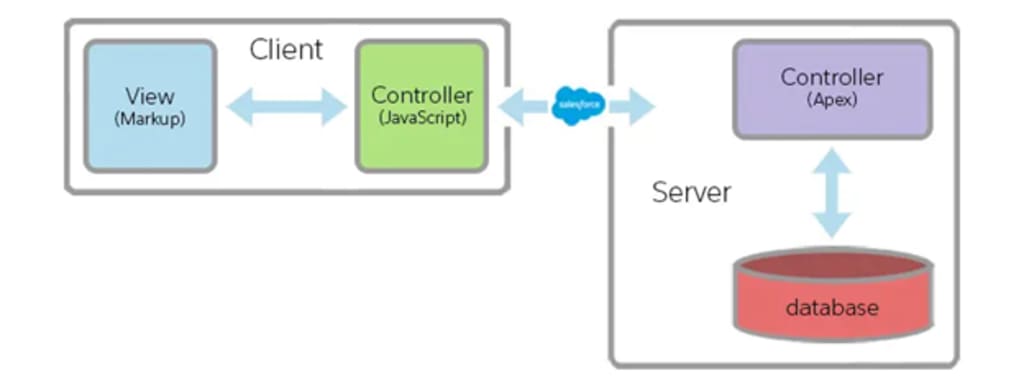
Salesforce Lightning Components have transformed the way businesses create and manage their applications, offering a modern, efficient, and scalable approach to development. As part of the Salesforce Lightning framework, these components enable developers to build dynamic and responsive applications with ease. This article explores the key features, benefits, and potential of Salesforce Lightning Components, and how they are shaping the future of app development.
What are Salesforce Lightning Components?
Salesforce Lightning Components are a set of modular, reusable building blocks that developers can use to create sophisticated applications within the Salesforce ecosystem. These components are designed to be flexible and customizable, enabling developers to assemble them like Lego bricks to create rich user interfaces and complex functionalities. The Lightning Component framework includes both standard components provided by Salesforce and custom components created by developers.
Key Features of Salesforce Lightning Components
Component-Based Architecture
The component-based architecture allows developers to build applications by combining independent, encapsulated components. Each component represents a discrete piece of functionality, which can be reused across different applications. This modular approach enhances code maintainability and scalability.
Reusability
One of the standout features of Lightning Components is their reusability. Developers can create custom components that can be reused across multiple applications, reducing development time and ensuring consistency in design and functionality.
Declarative Development
Salesforce Lightning Components support declarative development, allowing non-developers to create and customize applications using a point-and-click interface. This democratizes app development and enables business users to tailor applications to their specific needs without extensive coding knowledge.
Rich User Interfaces
Lightning Components enable the creation of rich, dynamic user interfaces that enhance the user experience. The framework supports modern web technologies such as HTML5, CSS, and JavaScript, allowing developers to build responsive and interactive applications.
Integration with Salesforce Ecosystem
Lightning Components seamlessly integrate with the broader Salesforce ecosystem, including Salesforce CRM, AppExchange, and third-party applications. This integration ensures that developers can leverage existing data and functionality within their custom applications.
Enhanced Performance
The Lightning Component framework is optimized for performance, ensuring that applications load quickly and run smoothly. The framework uses a stateful client and stateless server architecture, minimizing server round-trips and improving user experience.
Benefits of Using Salesforce Lightning Components
Increased Productivity
The modular nature of Lightning Components accelerates the development process, allowing developers to build and deploy applications more quickly. This increased productivity translates into faster time-to-market for new applications and features.
Improved User Experience
By enabling the creation of dynamic and responsive user interfaces, Lightning Components enhance the overall user experience. Applications built with Lightning Components are intuitive and engaging, leading to higher user satisfaction and adoption rates.
Scalability and Maintainability
The component-based architecture ensures that applications are scalable and easy to maintain. Developers can update individual components without affecting the entire application, making it easier to manage and evolve applications over time.
Cost Efficiency
The reusability of Lightning Components reduces development costs by minimizing the need for redundant code. Businesses can leverage existing components across multiple applications, maximizing their return on investment.
Empowerment of Business Users
The support for declarative development empowers business users to participate in the app development process. This empowerment leads to applications that are more closely aligned with business needs and objectives.
Real-World Applications
Salesforce Lightning Components are used across various industries to build a wide range of applications. For example:
- Sales and Marketing: Custom dashboards and analytics tools that provide real-time insights into sales performance and marketing campaigns.
- Customer Service: Interactive service consoles that enable support agents to resolve customer issues more efficiently.
- Healthcare: Patient management systems that streamline the scheduling, tracking, and treatment of patients.
Conclusion
Salesforce Lightning Components represent a significant advancement in application development, offering a flexible, scalable, and user-friendly framework for building modern business applications. By leveraging the power of Lightning Components, businesses can enhance their productivity, improve user experience, and stay ahead in an increasingly competitive landscape. As the demand for custom applications continues to grow, Salesforce Lightning Components will undoubtedly play a crucial role in shaping the future of app development.
About the Creator
Enjoyed the story? Support the Creator.
Subscribe for free to receive all their stories in your feed.
Comments
There are no comments for this story
Be the first to respond and start the conversation.